 Bellingham
 Custom Windows in York: Built for Bellingham's Coastal Climate
York is one of Bellingham's older, established neighborhoods, and that means a lot of the housing stock here is dealing with windows that were never designed for the punishment Whatcom County weather delivers year after year. Salt-laden air off Bellingham Bay, long stretches of driving rain, and a moss season that seems to stretch longer every year all work on window frames, seals, and trim in ways that homeowners in drier inland climates never have to think about. A window that's "fine" on the surface can be quietly failing behind the trim, and a window that's obviously failing usually got that way slowly, over several wet seasons.
Custom windows for a York home aren't about upgrading to something flashy. They're about matching the right frame material, glazing, and installation detail to the specific exposure of your house — which direction it faces, how much shade and moss pressure it gets, how old the surrounding trim and siding are, and what look fits the house. That's a different job than ordering stock windows out of a catalog, and it's why the process matters as much as the product.
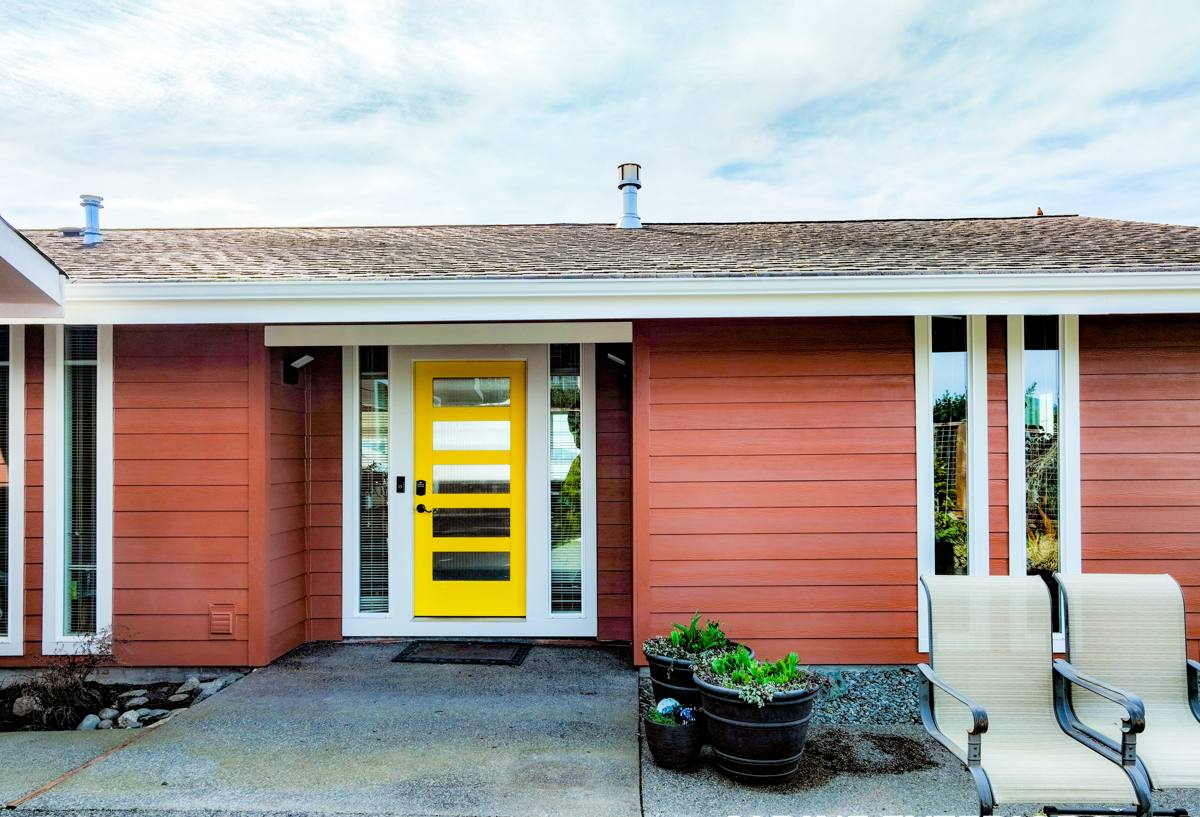
What Bellingham's Climate Does to Windows Over Time
Salt Air and Metal Fatigue
Homes closer to the water pick up airborne salt that settles on hardware, tracks, and metal fasteners. Over years, that accelerates corrosion on cheaper hinges, locks, and balance systems long before the glass or frame shows any obvious problem. A window can look fine and still operate poorly — sticking, refusing to latch, or letting in drafts — because the hardware underneath has quietly corroded. This is one of the more overlooked reasons older windows in coastal Whatcom County neighborhoods stop performing well even when the frames themselves are still structurally sound.
Driving Rain and Water Intrusion
Bellingham doesn't just get rain — it gets wind-driven rain that hits windows at an angle, which puts far more stress on flashing, sill pans, and sealant joints than a straight-down downpour ever would. Windows that were installed without proper flashing integration, or with sealant as the only line of defense, tend to develop slow leaks that show up as soft trim, peeling paint below the sill, or musty smells long before anyone sees actual water on the inside. Once water gets behind a window frame in this climate, it rarely dries out fully between storms, which sets up the next problem.
Moss, Shade, and Trapped Moisture
Many York properties have mature trees and shaded exposures, which is great for character and curb appeal but tough on anything that holds moisture. Moss and algae collect on horizontal surfaces like sills and mullions, holding water against the frame and finish far longer than open, sunny exposures would. On wood-framed and wood-clad windows especially, that sustained dampness is what eventually leads to soft spots, paint failure, and rot at the corners and sill — not any single storm, but the cumulative effect of months of shade and moisture every year.
Signs a York Home Needs New or Repaired Windows
- Visible moss, algae, or dark staining building up on sills, mullions, or the bottom rail of the frame
- Windows that are hard to open, close, or lock — often a sign hardware has corroded from salt exposure
- Soft or spongy trim, or paint that keeps bubbling and peeling in the same spot near the sill
- Condensation building up between panes, which usually means a failed seal on a double-pane unit
- Noticeable drafts or a cold feeling near the window even when it's fully closed and latched
- Fogging or a musty smell in the room after heavy rain, suggesting moisture is getting behind the frame
- Single-pane or very old double-pane windows that make the room uncomfortable in both winter and summer
What We Mean by "Custom" Windows
Matching the Character of Older Homes
A lot of homes in York have real architectural character — proportions, trim details, and window shapes that don't match what comes standard from a big-box supplier. "Custom" here means sizing and configuring windows to fit the actual openings and style of the house, rather than forcing a stock size and covering the gaps with extra trim. It also means matching grille patterns, sightlines, and exterior profiles so new windows look like they belong on the house instead of looking like an obvious, mismatched replacement.
Choosing the Right Frame Material
There's no single "best" window material for every home in this climate — the right choice depends on exposure, budget, and how much upkeep a homeowner wants to take on. We walk through the honest trade-offs rather than pushing one product line, because the wrong frame material for a shaded, salt-exposed York lot can shorten the life of an otherwise good window.
| Frame Material | How It Handles This Climate | Maintenance |
|---|---|---|
| Vinyl | Doesn't rot or corrode; performs consistently in salt air and rain | Low — occasional cleaning, no repainting |
| Fiberglass | Very stable in temperature swings and moisture; holds up well long-term in wet, shaded spots | Low — durable finish, minor cleaning |
| Wood-clad | Strong appearance for older homes; the clad exterior resists weather while wood interior stays warm | Moderate — interior wood still needs periodic attention |
| Solid wood | Best fit for historic-style character, but most vulnerable to moss, moisture, and rot in shaded exposures | High — regular repainting/sealing needed |
| Aluminum | Strong and slim-profile, but prone to condensation and corrosion risk without a thermal break | Moderate — hardware needs monitoring near salt air |
How Our Window Installation Process Works
- On-site assessment. We look at every opening individually — sun exposure, shade, drainage path, and existing damage — because a York home rarely has identical conditions on every wall.
- Material and style recommendation. Based on that assessment, we recommend frame materials and configurations suited to each specific opening, not a one-size-fits-all package.
- Precise measurement and ordering. Custom sizing means the new window fits the actual opening, which reduces the amount of gap-filling and trim patching needed later.
- Removal and inspection of the opening. Once the old window is out, we check the sill, header, and framing underneath for hidden rot or moisture damage before anything new goes in — this step catches problems a homeowner would otherwise only discover years later.
- Flashing and weatherproofing. This is the step that matters most in a driving-rain climate. Proper sill pan flashing and correctly lapped house wrap or building paper direct water out and away from the frame, rather than relying on caulk alone.
- Installation and shimming. The window is set plumb, level, and square, then shimmed and fastened per manufacturer specs so it operates smoothly for years rather than binding or sagging.
- Sealing and finish work. Interior and exterior sealant, trim, and any paint or caulking are finished to match the surrounding home.
- Final walkthrough. We test operation, check the seal, and walk the homeowner through basic care before we consider the job done.
Why Hiring a Crew That Already Works in York Matters
Window installation done wrong doesn't usually fail on day one — it fails two or three wet seasons later, when improper flashing finally lets water behind the frame or the wrong material starts breaking down in a shaded, moss-prone spot. A crew that regularly works in Bellingham neighborhoods like York has already seen how the local combination of salt air, wind-driven rain, and shade plays out on real houses, and builds that experience into material choices and installation details from the start. That's the difference between a window that looks right on install day and one that's still performing correctly five or ten winters from now.
It also means fewer surprises during the project. Homes in this area often have older framing, older trim details, or prior repairs that need to be accounted for, and a crew familiar with the neighborhood's housing stock knows what to check for before problems get covered up behind new material.
Caring for New Windows in a Wet Climate
New windows still need some seasonal attention in Whatcom County. Sills and tracks should be checked periodically for moss or algae buildup, especially on shaded sides of the house, and cleared before it has a chance to hold moisture against the frame. Weep holes on vinyl and fiberglass windows should stay clear so water can drain rather than pool. Exterior caulking and sealant joints are worth a visual check once a year, since UV exposure and constant moisture cycling can wear sealant down faster here than in drier climates. None of this is heavy maintenance, but skipping it is how a good installation slowly turns into a problem installation.
What Affects the Cost of a Window Project
Every York home is different, so we avoid quoting numbers before we've actually looked at the openings — but these are the factors that most commonly move a project's cost up or down.
| Factor | Why It Matters |
|---|---|
| Number and size of openings | More or larger windows means more material and labor |
| Frame material chosen | Vinyl, fiberglass, wood-clad, and solid wood carry different material costs |
| Condition of existing framing | Hidden rot or moisture damage found during removal adds repair work |
| Custom sizing or shapes | Non-standard openings or historic profiles take more fabrication time |
| Access and site conditions | Second-story windows or tight access can add labor time |
| Trim and finish work needed | Matching existing trim or repainting adds to the scope |
If you're weighing whether it's time to replace or repair windows on a York-area home, we're happy to take a look and give you an honest read on what your house actually needs — no pressure, no upsell. Fill out the form below for a free estimate.