 Bellingham
 Roofing in Fairhaven: A Different Set of Conditions
Fairhaven sits close to Bellingham Bay, and that proximity to the water shapes how roofs age here compared to homes further inland in Whatcom County. Salt-laden air moves off the water and settles on exposed metal, fasteners, and flashing. Combine that with the long stretch of wet months our region gets and the shade cover common in older, tree-lined neighborhoods, and you have a roofing environment that rewards the right materials and punishes the wrong ones. We've worked on enough roofs around Bellingham to know that a roofing approach that works fine in a drier climate can fail early here if it isn't adapted to what this area actually throws at a building.
This page covers what we see most often on Fairhaven homes, how we approach roofing work for this kind of coastal-adjacent property, and what to expect if you're comparing contractors or just trying to understand your options.
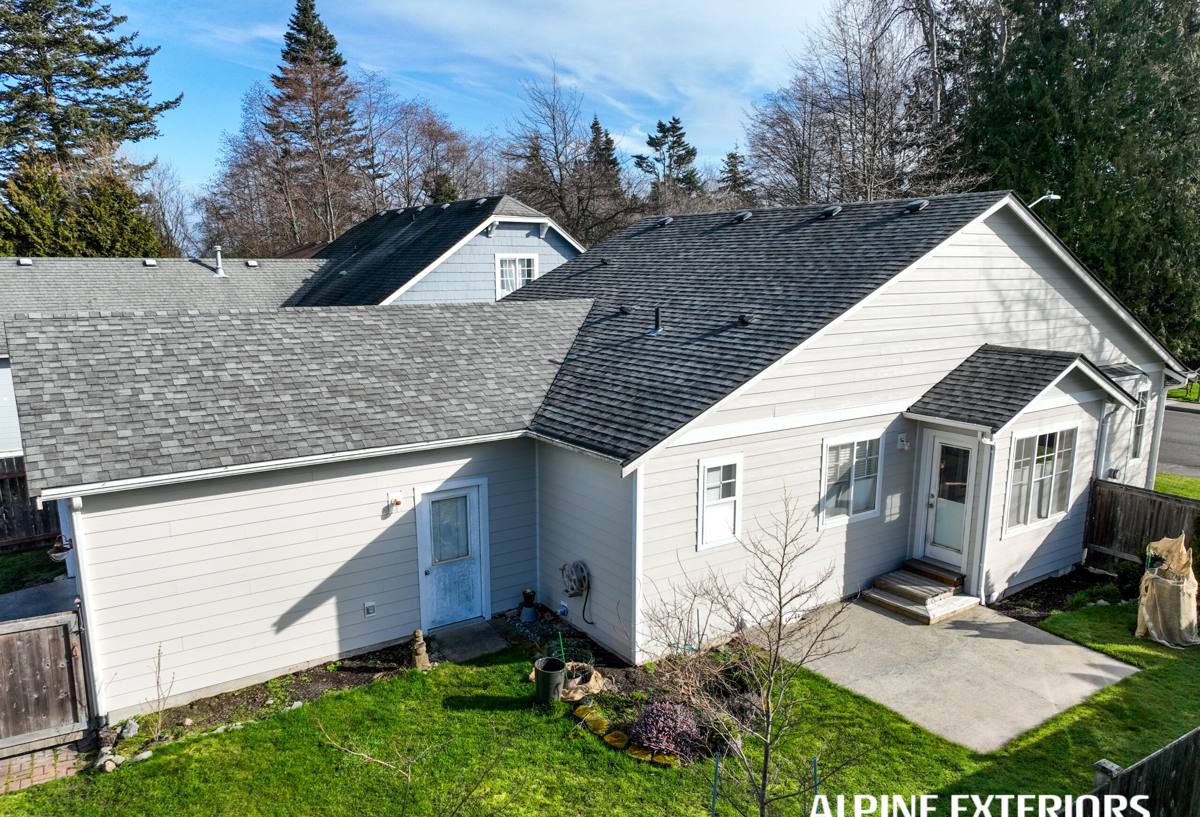
What Salt Air, Rain, and Moss Actually Do to a Roof
Salt Air and Metal Fatigue
Salt in the air accelerates corrosion on anything metal — nails, flashing, gutters, vents, and metal roofing panels themselves. It's not dramatic or sudden; it's a slow process that shows up years later as rust streaks, pitted fasteners, or flashing that's thinned out and started to leak at seams. Homes closer to the water tend to see this faster than homes even a mile or two inland, which is one reason material and fastener choice matters more here than in a lot of other parts of the state.
Driving Rain and Wind-Driven Moisture
Bellingham doesn't just get rain — it gets rain pushed sideways by wind off the bay often enough that standard roofing details aren't always enough. Driving rain finds its way under improperly lapped shingles, through poorly sealed penetrations, and into any gap where flashing wasn't installed with this kind of exposure in mind. A roof that would hold up fine in a calmer climate can develop leaks here simply because the installation didn't account for wind-driven water working its way uphill under materials.
The Long Moss Season
Western Washington's moss season isn't really a season — for many roofs it's closer to year-round, with growth accelerating through the wetter months. Moss holds moisture against the roofing surface, works its way under shingle edges, and lifts materials as it grows, which opens the door to leaks even before the roof is otherwise due for replacement. Shaded roofs, north-facing slopes, and homes under mature tree cover — common in older Fairhaven lots — are especially prone to it.
How We Approach Roofing for This Kind of Property
Our process doesn't change dramatically from one Bellingham neighborhood to the next, but what we pay closest attention to does shift based on a home's exposure. For a property in or near Fairhaven, that generally means:
- Closer inspection of flashing and fastener condition, especially on roofs with any history of moss or visible metal corrosion
- Attention to how valleys, chimneys, and other penetrations are sealed, since these are the most common entry points for wind-driven rain
- Honest assessment of moss and organic growth, including what's cosmetic versus what's already caused material damage underneath
- Recommendations on ventilation, since poor attic airflow combined with our wet climate contributes to both moss growth and premature material aging from the underside
- Straightforward talk about material options that hold up to salt exposure versus ones that don't, without steering you toward the most expensive option by default
Roofing Materials: What Holds Up Here and What to Watch
There's no single "best" roofing material for every home — it depends on your budget, your roof's exposure, the look you want, and how long you plan to stay in the house. What we can offer is a straight comparison of how common materials perform under Bellingham's specific conditions.
| Material | Performance in Salt Air / Wet Climate | Maintenance Considerations |
|---|---|---|
| Asphalt Composition Shingle | Solid, widely used option; quality varies significantly by product line and installation care | Needs periodic moss removal and gutter maintenance; algae-resistant granules help in shaded, damp areas |
| Metal Roofing (standing seam or panel) | Long lifespan when properly coated and fastened; fastener and coating quality matter more near the water | Low ongoing maintenance, but flashing and fastener inspection still matters over time |
| Cedar Shake | Traditional look; performs adequately but is more sensitive to sustained moisture and moss growth than other options | Higher maintenance burden — regular treatment and moss control needed to avoid premature decay |
| Synthetic/Composite Shingle | Engineered for moisture resistance; a reasonable middle-ground option for wet, shaded lots | Generally low maintenance; product warranties and installation quality vary by manufacturer |
We install and service a range of these systems and will walk you through honest trade-offs for your specific roof rather than pushing one product across the board. Moisture behavior, long-term maintenance, and how a material handles our particular combination of salt air and shade cover matter more here than they would in a drier inland climate.
Signs a Fairhaven Roof Needs Attention
Because leaks from wind-driven rain and moss damage often start slowly and out of sight, it helps to know what to watch for before a small issue becomes a bigger repair.
- Visible moss or dark streaking, especially on shaded or north-facing slopes
- Granule buildup in gutters or at downspout outlets, which signals shingle wear
- Rust staining around metal flashing, vents, or valleys
- Daylight visible through the attic decking, or damp insulation after a storm
- Curling, lifted, or missing shingles, particularly after high-wind weather
- Ceiling stains that appear or worsen after wind-driven rain events rather than steady rainfall
None of these automatically mean a full replacement is needed — a lot of what we find during inspections is repairable. But catching these signs early is what keeps a repair from turning into a full re-roof.
Siding, Windows, and Decks: The Rest of the Exterior
Roofing rarely tells the whole story on a coastal-adjacent home. The same salt air and moisture that stress a roof affect siding, window seals, and any exterior deck framing or fasteners. When we're on a property for roofing work, we're also looking at:
Siding
Siding on homes near the bay deals with the same wind-driven moisture as the roof, plus direct salt exposure at lower elevations. Caulking, flashing at windows and doors, and the condition of the siding material itself all factor into how well a home's envelope keeps water out.
Windows
Older window seals and flashing are a common source of hidden moisture intrusion, especially on homes that have been through multiple wet seasons without updated weatherproofing. Even where the glass itself is fine, degraded seals around the frame let water in over time.
Decks
Exterior decks take a direct hit from both rain and, depending on placement, some degree of salt exposure. Fastener corrosion and moisture trapped between boards are the most common issues we see, along with ledger board connections that need periodic inspection for rot.
Because we handle all four of these trades, we can look at a home's exterior as one connected system rather than treating the roof in isolation from the siding, windows, and deck below it.
Why a Local Crew Matters for This Kind of Work
A contractor who works across Whatcom County regularly, rather than occasionally, has simply seen more of what this specific climate does to buildings over time. That matters for a few practical reasons:
- We know which details — flashing laps, fastener choices, ventilation setups — actually hold up here versus which ones look fine on installation day but fail in year three or four
- We're familiar with the permitting and inspection process for Bellingham and Whatcom County, which keeps projects moving without avoidable delays
- We can respond quickly if a storm causes damage, rather than you waiting on a crew that has to travel in from outside the area
- We stand behind our work locally — we're not a traveling crew that's moved on to another state by the time a warranty question comes up
Cost Factors to Understand Before You Get Estimates
Roofing costs vary widely based on factors specific to your home, and any contractor who quotes a firm number without seeing your roof first isn't giving you an accurate picture. The main variables we account for include:
| Factor | Why It Matters |
|---|---|
| Roof size and pitch | Steeper or more complex roofs take more labor and safety equipment |
| Number of layers to remove | Tear-off of existing roofing adds labor and disposal costs |
| Decking condition | Rotted or damaged decking underneath needs replacement before new roofing goes on |
| Material choice | Asphalt, metal, cedar, and synthetic options span a wide price range |
| Flashing and penetration complexity | Chimneys, skylights, and multiple valleys add detail work |
| Ventilation upgrades | Improving attic airflow may add cost but reduces future moisture problems |
We provide itemized estimates so you can see exactly what you're paying for and why, rather than a single lump-sum number with no explanation behind it.
What to Ask Any Roofing Contractor Before You Hire
- Are you licensed and insured to work in Washington State, and can you provide proof?
- Will the same crew that gives the estimate be doing the actual work?
- What's included in your workmanship warranty, separate from the manufacturer's material warranty?
- How do you handle unexpected decking damage found after tear-off?
- Can you provide a written, itemized estimate rather than a verbal ballpark?
These questions apply to any roofing contractor, but they matter even more when you're hiring for a home exposed to the kind of moisture and salt air common near Bellingham Bay — cutting corners on flashing or fastener quality shows up faster here than it would in a milder climate.
Get an Honest Look at Your Roof
If you're in Fairhaven or elsewhere around Bellingham and want a straight assessment of where your roof stands — whether that means a repair, a partial fix, or a full replacement conversation — we're happy to take a look. There's no pressure and no obligation. Use the form below to request a free estimate, and we'll walk you through exactly what we find and what your options are.