 Bellingham
 Roofing in Edgemoor: What Makes This Corner of Bellingham Different
Edgemoor sits close enough to the water that its homes live with a different set of conditions than roofs a few miles inland in Whatcom County. Salt-laden air off Bellingham Bay, wind-driven rain that doesn't just fall straight down but gets pushed sideways under eaves and around flashing, and a moss and lichen season that runs longer here than it does on the drier east side of the county — all of it adds up to roofs that age differently than the national averages most manufacturers design around. We've worked on enough homes in this part of Bellingham to know that "standard maintenance schedule" doesn't really apply here. Edgemoor roofs need a plan built around the specific way this microclimate wears them down.
How the Climate Actually Attacks a Roof
Salt Air and Metal Fatigue
Proximity to saltwater speeds up corrosion on anything metal — flashing, fasteners, gutter systems, and exposed metal roofing panels all included. Standard galvanized fasteners and lower-grade flashing can start showing rust streaks and pitting years before they would inland. It's not dramatic, it's gradual, and it's the kind of thing that goes unnoticed until a small leak shows up where a fastener finally failed.
Driving Rain and Wind-Driven Moisture
Bellingham gets a lot of rain, but the bigger issue for roofs near the water is the angle it arrives at. Storms off the Strait of Georgia and the Sound push rain sideways during winter systems, which means water finds its way under shingle tabs, around chimney flashing, and into any gap that would stay dry in a calmer climate. Roofs that are perfectly fine in a straight-down rain event can leak during a wind event because water is being forced uphill under the roofing material for a few hours at a time.
Moss, Algae, and a Long Growing Season
Western Washington's mild, wet winters and shaded, tree-heavy lots are close to ideal conditions for moss and algae growth on roofing. Edgemoor's mature tree canopy and the general moisture load of the area mean moss isn't a once-a-decade nuisance — it's an ongoing maintenance item. Left unchecked, moss holds moisture against the roofing surface, lifts shingle edges as it grows, and accelerates granule loss on asphalt shingles far faster than sun and weather alone would.
Signs an Edgemoor Roof Needs Attention
- Moss or dark algae streaking visible from the ground, especially on north-facing slopes that stay shaded and damp
- Granules collecting in gutters or at downspout outlets, a sign asphalt shingles are wearing thin
- Rust staining around metal flashing, vent boots, or exposed fasteners
- Soft or discolored ceiling patches after a windy rain event, even if there's no visible roof damage from outside
- Shingles that look lifted, curled, or cupped at the edges rather than lying flat
- Gutters overflowing during heavy rain, which can push water back up under the roofline
Roofing Materials: What Holds Up in This Climate
There's no single "best" roofing material for every home — it depends on budget, roof pitch, tree cover, and how long you want to go between major maintenance. Here's how the common options compare for a coastal Whatcom County setting like Edgemoor.
| Material | Moss/Moisture Resistance | Salt Air Durability | Typical Lifespan | Maintenance Load |
|---|---|---|---|---|
| Architectural asphalt shingle | Moderate — benefits from algae-resistant granules | Good with quality flashing/fasteners | 25-30 years | Periodic moss removal, gutter care |
| Standing seam metal | Very good — sheds moisture, little surface for moss to grip | Good if properly coated and fastened | 40-50+ years | Low, occasional fastener/coating check |
| Composite/synthetic shingle | Good — engineered to resist moisture uptake | Good | 30-50 years | Low to moderate |
| Cedar shake | Poor without diligent upkeep — natural wood holds moisture | Fair | 20-30 years with maintenance | High — regular treatment and cleaning needed |
We'll talk through the trade-offs honestly during an inspection rather than pushing one product. Cedar shake has real character and a long history in this region, but in a shaded, moisture-heavy setting like parts of Edgemoor, it demands a maintenance commitment that not every homeowner wants to take on. Asphalt and composite options with algae-resistant granules, paired with proper attic ventilation, tend to be the lower-maintenance choice for most of the homes we see here.
Our Roofing Process
Inspection First
We start with a full visual and, where accessible, a walk-on inspection — checking the field of the roof, flashing details around chimneys and skylights, valleys, vent boots, and the condition of the gutter and drainage system. Most roof failures near the water start at a flashing or fastener detail, not in the middle of a shingle field, so that's where we look closest.
Repair vs. Replacement
Not every problem means a new roof. A localized leak from a failed flashing detail or a section of storm damage can often be repaired without touching the rest of the roof, as long as the underlying material has useful life left. We'll tell you plainly when a repair makes sense and when the roof is old enough or worn enough that repeated patching stops being cost-effective compared to replacement.
Installation Standards
When we do replace a roof, we pay particular attention to the details that matter most in this climate: corrosion-resistant fasteners and flashing rated for coastal exposure, proper underlayment and ice-and-water shield at vulnerable points like valleys and eaves, and attic ventilation that keeps moisture from building up underneath the roofing material itself. A roof that's installed well from the deck up is the single biggest factor in how long it actually lasts here.
Beyond the Roof: Siding, Windows, and Decks in the Same Climate
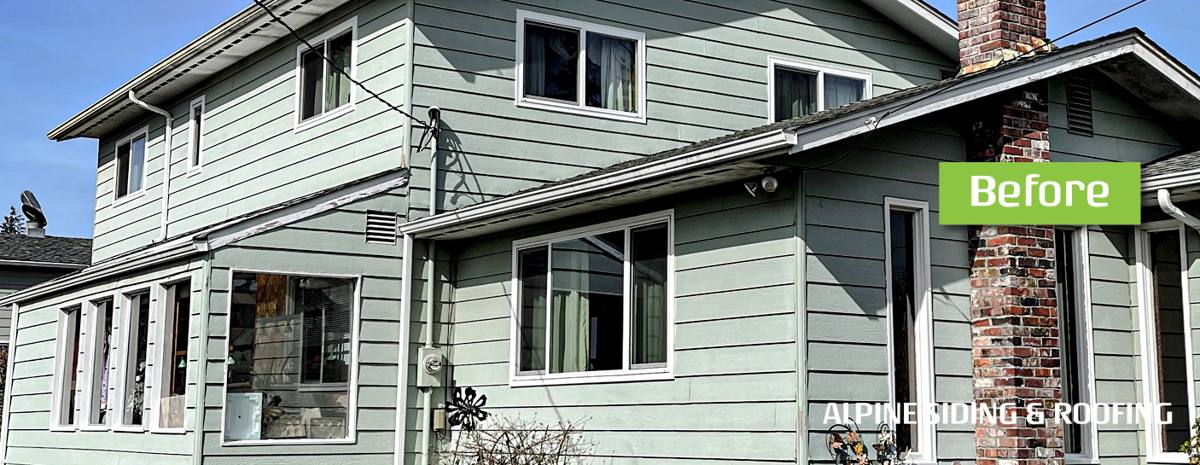
The same salt air, driving rain, and moss conditions that wear on an Edgemoor roof affect the rest of the exterior too, which is part of why we handle siding, windows, and decks alongside roofing rather than treating them as separate trades. Siding takes on the same wind-driven moisture at seams and trim details. Window flashing and sealant are just as prone to failure from sideways rain as roof flashing is. Decks — especially uncovered ones — deal with standing moisture, moss on walking surfaces, and the same salt exposure that corrodes roofing fasteners. Looking at the whole exterior together, rather than one component in isolation, tends to catch problems before they become bigger repairs, and it means water intrusion at a roof-to-wall transition or a window head flashing doesn't get missed because it falls between two separate contractors' scopes of work.
Seasonal Maintenance for Edgemoor Homes
| Season | What to Check | Why It Matters Here |
|---|---|---|
| Fall | Clear gutters and downspouts before winter storms | Falling leaves plus heavy rain overwhelm clogged gutters fast |
| Winter | Watch for ice damming on north-facing slopes and interior water stains | Shaded slopes stay wet and cold longer, slowing runoff |
| Spring | Inspect for moss growth and storm damage from winter wind events | This is when moss becomes visible after its main growing season |
| Summer | Moss treatment and gutter/flashing check while conditions are dry | Dry weather is the right window for treatment and repairs |
A short seasonal checklist for homeowners who want to stay ahead of problems:
- Walk the property after major windstorms and look for displaced shingles, debris on the roof, or damaged gutters
- Keep tree limbs trimmed back from the roofline to reduce shade, debris, and moss-friendly conditions
- Clean gutters at least twice a year, more often on tree-heavy lots
- Have moss professionally treated rather than pressure-washed, which can strip granules and shorten shingle life
- Get an inspection any time you notice a new stain, sag, or soft spot on an interior ceiling
Why a Local Crew Makes a Difference
A roofing crew based in and around Bellingham sees this exact combination of salt air, wind-driven rain, and moss pressure on a daily basis, not as an occasional job type. That matters when it comes to knowing which flashing details tend to fail first on homes near the water, which slopes on a given lot are going to hold moss the longest based on tree cover and sun exposure, and how to sequence repairs around Whatcom County's wet season instead of working against it. It also means we're not driving in from out of the area for warranty work or a follow-up call — we're already here.
What to Expect From an Estimate
Every roof and every property is different, so we don't quote sight-unseen. A real estimate means someone gets on or around the roof, looks at the flashing details, checks attic ventilation where accessible, and gives you a straight answer about what's actually needed versus what can wait. If you're in Edgemoor and dealing with a leak, visible moss, aging shingles, or you're just not sure what condition your roof is in, we're happy to take a look and walk you through it — no pressure, no hard sell. Use the form below to request a free estimate for your roof, siding, windows, or deck.