 Bellingham
 Roofing in the York Neighborhood
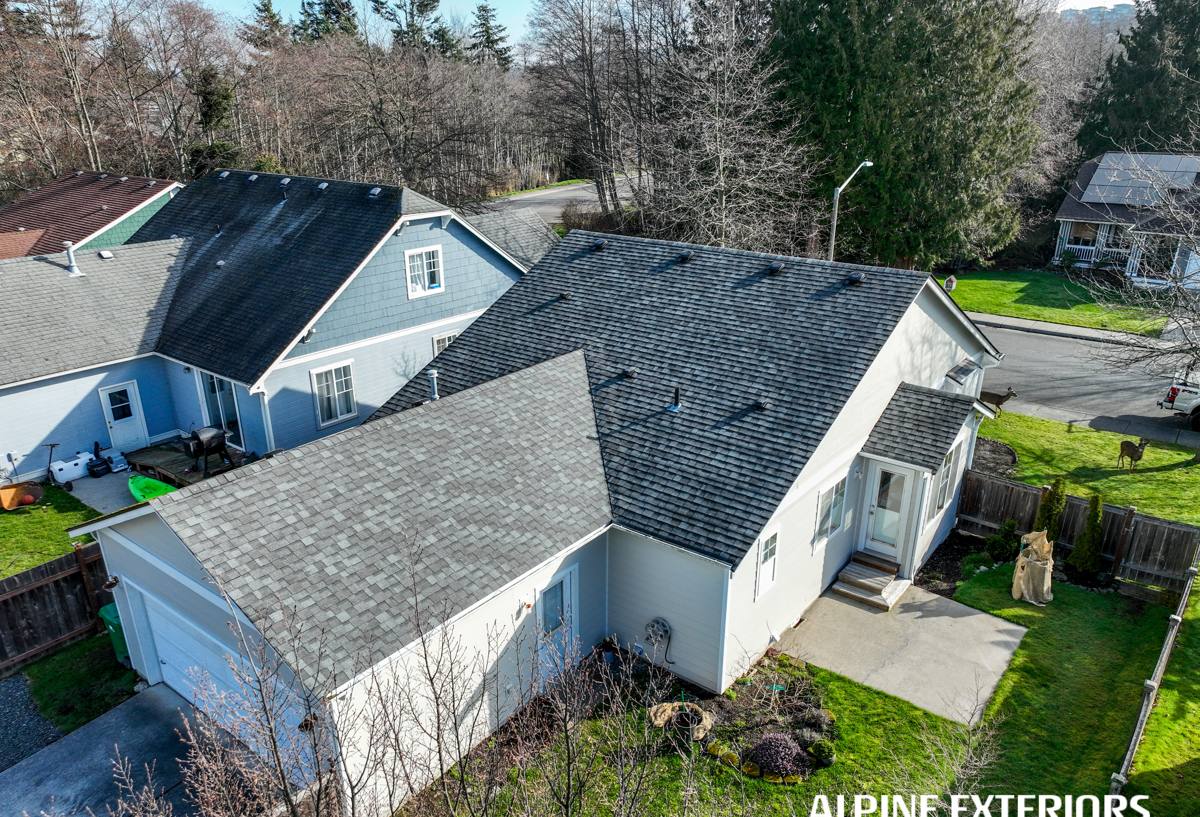
York is one of Bellingham's older, established neighborhoods, and that shows up on its rooflines. A lot of homes here were built decades ago, added onto over the years, and re-roofed at least once by whoever owned the house before you. That mix of ages and roof types means there's no single answer to "what does my roof need" in York — a 1920s bungalow with a steep gable, a mid-century rambler with a low-slope addition, and a newer infill build all age differently under the same weather. What they share is exposure to the same Whatcom County climate, and that climate is genuinely hard on roofing over time.
We work on roofs across Bellingham and the surrounding county, and York gets its share of our calls — inspections after a windstorm, moss removal in late winter, repairs after a slow leak finally shows up on a bedroom ceiling. Being a local crew matters here in a practical way: we know what a York roof usually looks like under the surface, what products hold up in this specific environment, and we're not driving in from out of the area to give you a one-size-fits-all bid.
What the Climate Does to Roofs Here
Bellingham sits close enough to the Salish Sea that salt-laden air is a real factor for exterior materials, and York is no exception. Salt air accelerates corrosion on exposed metal — fasteners, flashing, gutters, and any unprotected trim. Over years, that corrosion is often the actual root cause behind a leak that looks, at first glance, like a shingle problem.
Then there's the rain. Whatcom County doesn't usually get dramatic downpours — it gets long stretches of steady, driving rain that can push water sideways under wind, testing every seam, flashing detail, and overlap on a roof. A roof that would be fine in a drier climate can develop slow leaks here simply because water has more opportunities, over more months of the year, to find a weak point.
And then there's moss. Our long, damp, mild winters are close to ideal growing conditions for moss and algae on roofing. Moss isn't just cosmetic — it holds moisture against the roofing material, works its way under shingle edges as it grows, and can lift or separate roofing over time if it's left unchecked. In York's tree-shaded, established-neighborhood settings, north-facing slopes and roofs under mature trees tend to develop moss the fastest.
How These Factors Combine
None of these three things — salt air, driving rain, moss — is usually enough on its own to cause a major problem quickly. It's the combination, over years, that shortens a roof's useful life if it isn't inspected and maintained. Corroded fasteners loosen, which lets water in during the next windy rain, which feeds moss growth, which holds even more moisture against the roof. That's the pattern we see most often when we're called out to look at a York roof with a leak that's been "just a little damp spot" for a while.
Roofing Materials We Recommend for This Area
We install and repair a range of roofing systems, and we're upfront about the trade-offs of each rather than pushing whatever's easiest to sell.
Asphalt Composition Shingles
Still the most common roofing material in Bellingham, and for good reason — reasonable cost, wide range of styles and colors, and a solid track record when installed correctly with proper underlayment and ventilation. In our climate, the installation details (ice-and-water shield at eaves and valleys, correct flashing, adequate attic ventilation to control condensation) matter more than the shingle brand itself.
Metal Roofing
Metal sheds moss and standing moisture better than most materials and holds up well to driving rain when seams and fasteners are installed correctly. The trade-off is upfront cost and the need for a crew experienced with metal detailing — poor installation is where metal roofs actually fail, not the material itself. Given the salt air factor, we pay close attention to fastener and flashing material compatibility so galvanic corrosion isn't a slow-motion problem down the road.
Cedar Shakes
Traditional in this region and attractive, but cedar demands the most ongoing maintenance of any common roofing option here — regular moss and debris removal, periodic treatment, and closer monitoring for moisture retention. We'll install and maintain cedar for homeowners who want it and understand the upkeep, but we're honest that it's a higher-maintenance choice in a climate this damp.
Low-Slope and Flat Roofing
Common on additions, garages, and some mid-century homes in York. These systems live or die on proper drainage and membrane installation, since standing water is the enemy of any low-slope roof. We check tapering, drains, and seam integrity carefully on anything low-slope, because a small installation shortcut here shows up as a leak much sooner than it would on a steep roof.
| Material | Typical Lifespan Here | Best For | Maintenance Level |
|---|---|---|---|
| Asphalt Shingle | 20-30 years | Most homes, budget-conscious replacement | Moderate — periodic moss treatment |
| Metal | 40-60 years | Long-term owners, moss-prone lots | Low — occasional inspection |
| Cedar Shake | 20-30 years with upkeep | Historic character, owners who'll maintain it | High — regular cleaning/treatment |
| Low-Slope Membrane | 15-25 years | Additions, flat sections | Moderate — drainage checks |
Inspections and Maintenance
Most roofing problems we deal with in York didn't start as emergencies — they started as small, unaddressed issues that had months or years to get worse under our weather patterns. A yearly inspection, especially heading into fall before the heavy rains set in, catches most of what turns into a real problem later.
A thorough inspection covers more than just looking for missing shingles. We check flashing around chimneys, vents, and skylights; look at gutter condition and attachment, since sagging or clogged gutters push water back under roofing edges; assess attic ventilation, which affects both moisture buildup and shingle life from the underside; and note moss or algae coverage before it's advanced enough to lift material.
Homeowner Maintenance Checklist
- Clear gutters and downspouts at least twice a year — fall leaf drop and late winter are the two times debris builds up fastest here
- Look for moss buildup on north-facing or shaded slopes each winter and address it before spring growth accelerates
- Trim back tree branches that overhang the roof to reduce debris and shade that encourages moss
- Check attic insulation and ventilation if you notice ice damming or condensation in winter
- Have flashing around chimneys and vents inspected every few years, since these are the most common leak points
- Schedule a professional inspection after any significant windstorm, not just on a fixed calendar
Moss Removal and Prevention
Because moss is such a persistent issue for York roofs, it deserves its own explanation. Removing established moss requires care — scraping or pressure-washing too aggressively can damage shingle granules and shorten the roof's remaining life, which defeats the purpose. We use methods appropriate to the roofing material, followed by treatments that slow regrowth without harming plants, pets, or runoff into nearby drainage.
Prevention is more effective than repeated removal. Zinc or copper strips near the roof ridge release trace amounts of metal ions that inhibit moss growth over time as rain washes over them — a low-maintenance option worth considering during a re-roof, particularly on shaded slopes that struggle every year.
Repairs vs. Replacement
Not every roofing problem means a full replacement, and we don't default to recommending one. If a roof is fundamentally sound — good decking, reasonable remaining shingle life, no widespread moss damage — a targeted repair to flashing, a section of damaged shingles, or a gutter issue is usually the right call. We'll tell you when repair makes sense even if replacement would be the bigger job for us.
Replacement becomes the more honest recommendation when a roof is past its expected lifespan for its material, when moss or moisture damage has spread across multiple sections, or when repeated repairs to the same areas suggest the underlying roofing has reached the end of its useful service life. We'll walk you through what we're seeing and why, so the decision is based on the actual condition of your roof, not a sales pitch.
Beyond the Roof: Siding, Windows, and Decks
Roofing problems in this climate rarely stay isolated to the roof. Water that gets past a compromised roof section often shows up next in fascia boards, soffits, or the top courses of siding, and prolonged moisture exposure affects window seals and deck structures too. Because we handle siding, roofing, windows, and decks, we can look at a York home's exterior as one connected system rather than treating each component separately — which matters when moisture from one area is quietly affecting another. If we spot a related issue while we're on your roof, we'll tell you about it plainly, without pressure to expand the job.
Why a Local Crew Matters
Anyone can sell a roof. Fewer contractors have spent years actually working on roofs in Whatcom County's specific conditions — the salt air corrosion patterns, the moss growth cycles tied to our winter light and moisture, the way driving rain finds weak spots that a drier climate would never expose. That local, repeated experience is what shapes an honest recommendation instead of a generic one. We're a Bellingham-based crew, and York is part of the area we know well because we work in it regularly, not occasionally.
Getting Started
If you're dealing with a leak, noticing moss taking hold, or just want an honest read on how much life is left in your current roof, we're happy to take a look. We offer free, no-pressure estimates for York homeowners — come take a walk on your roof with us, get a straight answer about what it needs, and decide from there. Use the form below to get in touch and we'll set up a time that works for you.