 Bellingham
 Roofing Built for Birch Bay's Coastline Conditions
Birch Bay sits right on the water, and that changes what a roof has to put up with compared to homes further inland in Whatcom County. Salt-laden air off the bay, wind-driven rain that comes in sideways during winter storms, and a moss season that can stretch from late fall through spring all work against a roof at the same time. Bellingham Roofing works on homes throughout this stretch of coastline, and we've built our approach around what actually wears out roofs here, not a generic maintenance schedule pulled from a drier climate.
A roof in Birch Bay isn't fighting one problem, it's fighting three at once: corrosion from salt exposure, water intrusion from sustained rain, and organic growth from shade and moisture that doesn't dry out between storms. Each of those needs a different kind of attention, and a roof that only addresses one of them tends to fail sooner than the shingles' rated lifespan would suggest.
How Salt Air Affects Roofing Materials
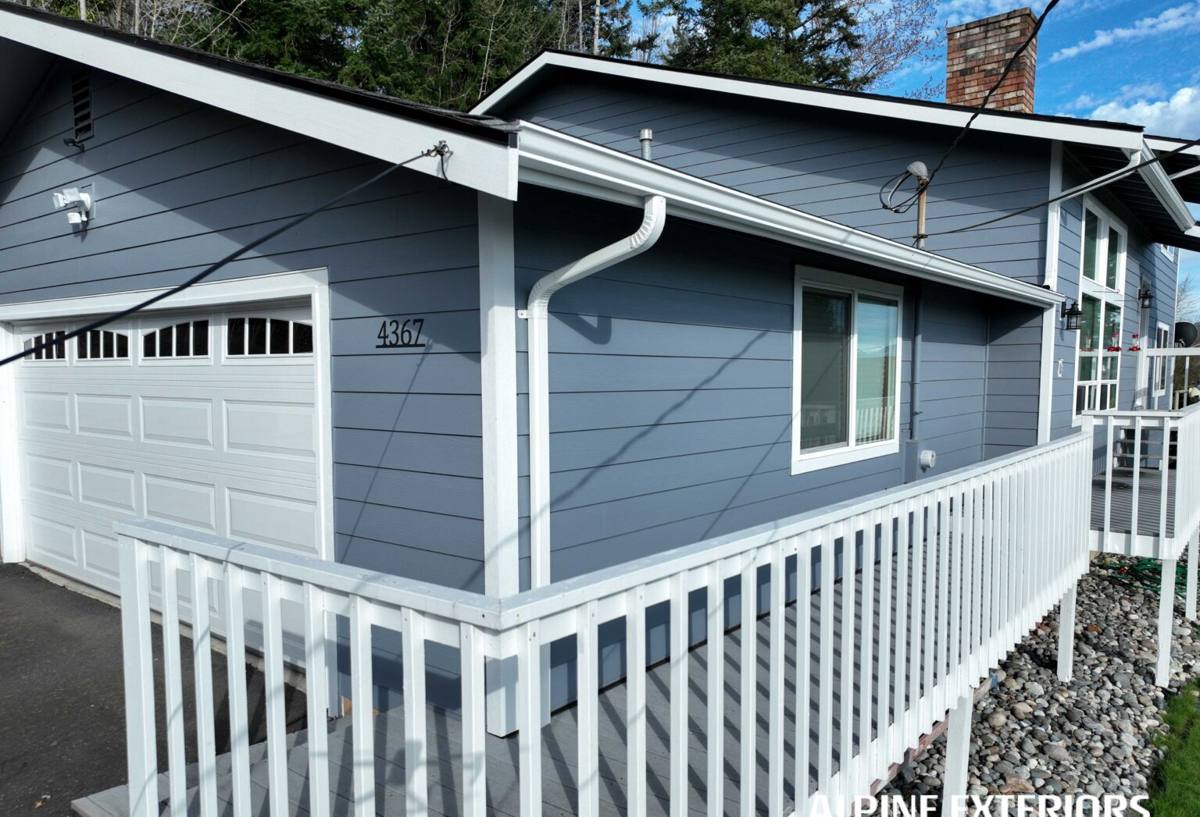
Coastal salt air is corrosive to exposed metal. On a roof, that shows up first in fasteners, flashing, and any metal roofing panels or trim. Galvanized fasteners that would last decades inland can start showing rust streaks years earlier this close to the water. Flashing around chimneys, skylights, and roof-to-wall transitions is often the first place we see salt-related wear, since it's thin-gauge metal doing the critical job of keeping water out of a roof's most vulnerable seams.
What We Do Differently for Salt Exposure
- We favor corrosion-resistant fastener grades and flashing metals for homes directly exposed to bay winds, rather than defaulting to standard-grade hardware.
- We inspect flashing and metal trim more closely on coastal homes during any service call, since that's where salt damage shows up first and is cheapest to catch early.
- On metal roofing or metal accent work, we talk through coating and gauge options honestly, including the maintenance tradeoffs, rather than upselling a single "best" product.
Driving Rain and Roof Drainage
Whatcom County gets plenty of rain generally, but Birch Bay's exposure to wind off the water means storms often arrive as driving, wind-pushed rain rather than straight-down rainfall. That matters for roofing because wind-driven rain finds its way under improperly sealed shingle edges, around loose or aging flashing, and into any gap where standard installation would normally be enough protection.
Drainage matters just as much as water resistance. Gutters that are undersized, clogged, or pitched wrong don't just overflow, they back water up under the roof edge, which is one of the more common causes of edge rot and fascia damage we see on coastal Whatcom County homes. A roof system has to move water off the roof and away from the house, not just shed it.
Common Wind-Driven Rain Trouble Spots
- Roof valleys where two slopes meet and water volume concentrates
- Flashing around chimneys, vents, and skylights
- Roof edges and eaves where wind can lift shingle tabs over time
- Gutter and downspout systems that are undersized for the roof's actual water load
Moss: A Longer Season Than Most Homeowners Expect
Moss needs moisture, shade, and organic debris to establish itself, and Birch Bay's tree cover combined with a long wet season gives it plenty of time to take hold on north-facing slopes and shaded roof sections. Moss isn't just cosmetic. As it grows, it holds moisture against the roofing material longer than it would otherwise sit, and on shingle roofs it can work under tab edges and lift them, creating small gaps where water intrusion starts.
The moss season here often runs from around October through April or May, which is a longer window than drier parts of the state deal with. That means moss prevention isn't a one-time spring cleanup, it's an ongoing part of roof maintenance for anyone with shaded roof area.
Moss Management That Actually Works
- Physical removal by hand or soft-wash methods, never pressure washing, which can strip granules and shorten shingle life
- Zinc or copper control strips installed near the ridge, which release trace metals that inhibit new moss growth as rain washes over them
- Keeping overhanging branches trimmed back where practical, since shade and debris are what let moss establish in the first place
- Routine gutter clearing, since trapped organic debris in gutters is often where moss and algae get their start before spreading to the roof itself
Choosing Roofing Materials for This Environment
There's no single "best" roofing material for every Birch Bay home, it depends on the home's exposure, budget, and how much ongoing maintenance an owner wants to take on. We walk through the honest tradeoffs rather than pushing one product line.
| Material | Salt Air Behavior | Moss Resistance | General Notes |
|---|---|---|---|
| Asphalt composition shingle | Good; fasteners and flashing are the main concern, not the shingle itself | Moderate; benefits from zinc/copper strips on shaded slopes | Most common choice; wide range of price points and warranty tiers |
| Metal roofing (standing seam) | Very good with proper coating; coastal-grade coatings recommended | Good; smooth surface sheds debris more easily | Higher upfront cost, longer service life, less common on older Birch Bay homes |
| Cedar shake | Moderate; requires diligent maintenance near salt air | Poor without treatment; needs regular moss and moisture management | Traditional look, but the highest maintenance burden in this climate |
| Synthetic/composite shingle | Good; resists corrosion since there's no exposed metal in the shingle itself | Moderate to good depending on product | Newer to the market; worth discussing warranty structure in detail |
Roof Inspections: What We Actually Look For
A roof inspection in Birch Bay isn't just a glance at the shingles from the ground. We look at the whole system, because failures usually start at the details, not the field of the roof.
- Flashing condition around every penetration: chimneys, vents, skylights, roof-to-wall junctions
- Fastener and metal trim condition, checking for early corrosion signs
- Moss and algae presence, especially on shaded north- and east-facing slopes
- Gutter condition, pitch, and attachment, including signs of past overflow or backup
- Attic ventilation and any signs of moisture intrusion from inside the home
- Shingle granule loss, curling, or lifted tabs, particularly along roof edges exposed to wind
We also handle roof repair for isolated issues, like a single damaged flashing detail or a section of storm-lifted shingles, when a full roof replacement isn't warranted yet. Not every roof problem needs a full tear-off, and we'll tell you honestly when a repair is the right call versus when it's a stopgap.
Beyond the Roof: Siding, Windows, and Decks in the Same Climate
The same salt air, wind-driven rain, and moisture exposure that affects roofing in Birch Bay affects the rest of a home's exterior too. Siding takes on similar wear from moisture cycling and salt exposure, window seals and flashing are vulnerable to the same wind-driven rain that troubles roof valleys, and exterior decks face both moisture retention and UV exposure off the open water. Because Bellingham Roofing works across siding, roofing, windows, and decks, we can look at a home's exterior as one connected system rather than treating each component in isolation, which matters when water intrusion at a roofline, for example, is actually showing up as a stain on the siding below it.
Why a Local Whatcom County Crew Matters Here
Birch Bay's conditions aren't identical to Bellingham proper, or to inland Whatcom County, or to other coastal areas of Washington. A crew that works this specific stretch of coastline regularly recognizes the salt corrosion patterns, knows which slopes tend to hold moss longest given the local tree cover and sun exposure, and understands how wind off the bay behaves differently than wind further inland. That local familiarity shows up in smaller, practical decisions: which fastener grade to use, where to prioritize flashing inspection, and how aggressive a moss prevention plan actually needs to be for a specific property.
A Realistic Maintenance Checklist for Birch Bay Homes
- Inspect flashing and metal fasteners annually for early corrosion signs, more often on homes with direct water exposure
- Clear gutters at least twice a year, and more often if the property has significant tree cover
- Address moss growth as soon as it's visible rather than waiting for a seasonal cleanup
- Check attic ventilation periodically, since poor ventilation accelerates moisture-related roof problems from the inside out
- Have a full roof inspection every few years, or immediately after a significant windstorm
- Watch for water staining on interior ceilings or exterior siding below roof lines, which often signals a flashing or drainage issue upstream
Get a Straightforward Look at Your Roof
If you're in Birch Bay and want an honest read on where your roof stands, whether that's a full replacement, a targeted repair, or just a maintenance plan for moss and drainage, we're happy to take a look. Reach out for a free, no-pressure estimate using the form below, and we'll give you a clear picture of what your roof actually needs.