 Bellingham
 Building Decks for Sunnyland's Specific Conditions
Sunnyland is one of Bellingham's older, established neighborhoods, with mature tree canopy, a mix of mid-century and newer homes, and a short drive to Bellingham Bay. That combination is great for shade in July and terrible for an outdoor deck the rest of the year. A deck built the way it might be built in a drier inland climate will not hold up the same way here, and homeowners in this part of Whatcom County tend to find that out the hard way — usually a few years in, when boards start cupping or hardware starts weeping rust stains down the framing.
A deck built for Sunnyland needs to account for three things at once: proximity to salt-influenced marine air, sustained wet weather that drives rain sideways into structures, and heavy shade that keeps surfaces damp long after a storm has passed. None of these are exotic problems, but they compound. Get the materials and detailing right the first time and a deck here will genuinely outlast one that was built without those conditions in mind.
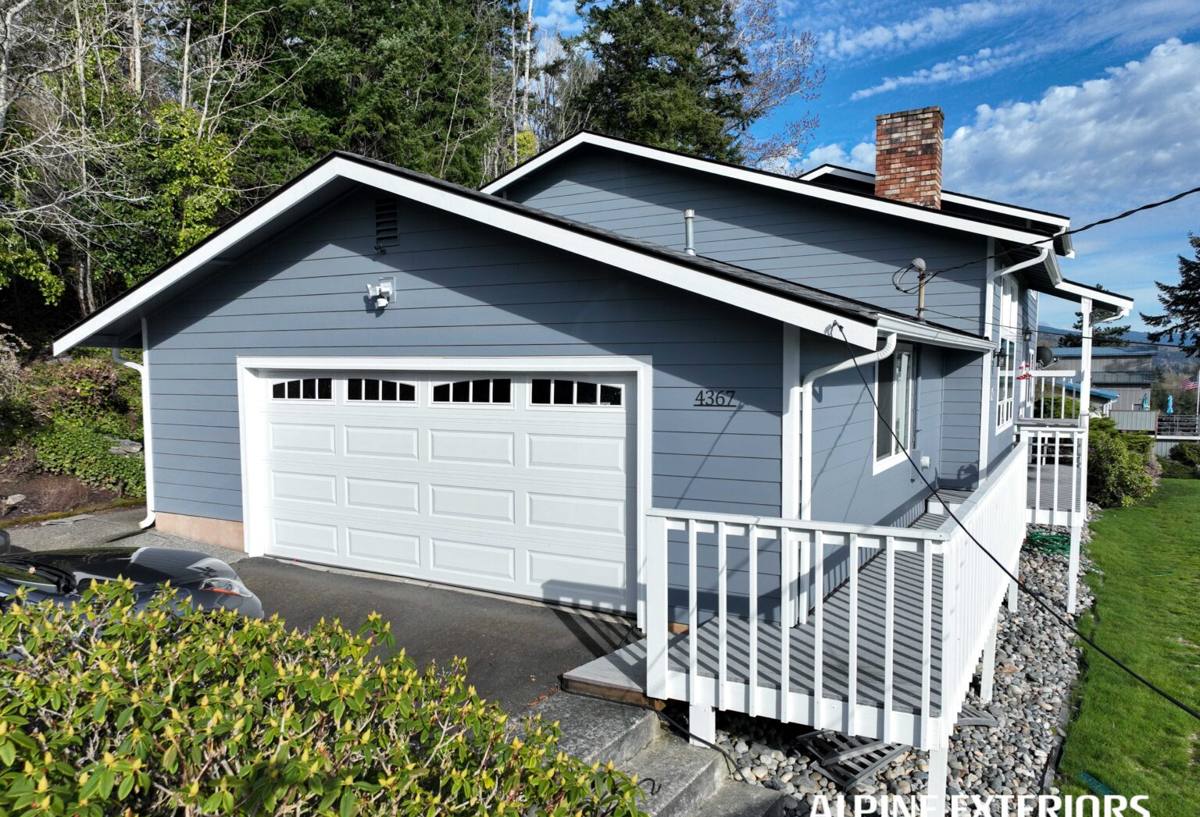
The Three Local Stressors, One at a Time
Salt Air and Metal Fatigue
Bellingham sits on Bellingham Bay, and even a few miles inland, marine air carries enough salt to accelerate corrosion on unprotected or poorly rated metal. On a deck, that means fasteners, joist hangers, post bases, and structural screws take the brunt of it. Standard interior-grade hardware corrodes faster here than it would in a dry climate, and once a fastener starts to rust, it loses holding strength long before it looks obviously bad from the surface.
Driving Rain and Ledger Rot
Pacific Northwest rain isn't just frequent, it's often wind-driven, which pushes water into joints, ledger connections, and end grain that a vertical rain wouldn't reach as easily. The ledger board — where an attached deck bolts into the house — is the single most common failure point on decks in this region, because water gets behind it and rots the connection from the inside, invisibly, for years.
Shade, Moss, and Surface Decay
Sunnyland's tree cover is part of its character, but shaded decking stays wet far longer after rain than a deck in full sun. That extended damp period is exactly what moss, algae, and mildew need to take hold. Beyond being slippery and unattractive, moss holds moisture against the decking surface, which speeds up cupping, splintering, and rot in wood, and can dull or stain composite surfaces if left unaddressed through a full moss season.
What a Correctly Built Deck Includes Here
Footings and Framing
Footings need to be sized and set below frost depth and on undisturbed or properly compacted soil — cutting corners here is invisible until the deck starts to shift or settle unevenly. Framing lumber should be rated for ground contact where it's close to grade, and every cut end, notch, or drilled hole needs to be sealed, since factory treatment doesn't protect wood once you cut into it.
Fasteners and Flashing
We use fasteners and structural hardware rated for coastal and wet-climate exposure, not standard interior-grade hardware. Ledger connections get proper flashing that directs water away from the house band board rather than trapping it behind the deck. This is the detail that is easiest to skip and the most expensive to fix later, since fixing it usually means tearing the deck partly back off the house.
Decking Material Choice
The decking surface itself needs to handle repeated wet-dry cycling without cupping, splintering, or holding water. That's as much about the species or product as it is about installation — proper gapping between boards for drainage and airflow underneath the deck both matter more in a shaded, damp yard than they would somewhere drier.
Comparing Decking Materials for a Sunnyland Yard
| Material | How it handles our climate | Maintenance burden | Typical lifespan here |
|---|---|---|---|
| Pressure-treated wood | Affordable, but needs consistent sealing to resist moss and moisture in shaded yards | Annual cleaning and periodic sealing | Shorter without upkeep, longer with it |
| Cedar | Naturally rot-resistant and handles our rain well, but greys and can stain in heavy shade without maintenance | Occasional cleaning and refinishing | Solid if maintained |
| Composite decking | Resists rot and won't splinter, but can develop surface mold/algae in deep shade if not cleaned | Periodic washing, no sealing or staining | Long-lasting, consistent |
| PVC decking | Fully resists moisture absorption, best option for constant shade and dampness | Low — occasional washing | Long-lasting |
There isn't a single right answer for every yard. A sunnier, more open lot in Sunnyland can do fine with well-maintained wood. A deeply shaded lot under mature trees is where composite or PVC decking earns its higher upfront cost, because it removes the moss-and-moisture maintenance cycle almost entirely. We'll walk through your specific site — sun exposure, tree cover, proximity to the water — before recommending a material rather than defaulting to one.
Our Deck Building Process
On-Site Assessment
We start at your property, not at a catalog. We look at sun and shade patterns through the day, drainage across the yard, the condition of the house band board where an attached deck will connect, and how exposed the site is to wind-driven rain off the bay.
Design and Permitting
We design footing layout, framing spans, and railing to code, and we handle the permit process rather than leaving it to the homeowner. Most attached decks, and freestanding decks above a modest height, require a permit and inspection under the residential building code as adopted locally — skipping that step can create real problems at resale.
Build, Detail, and Inspection
Framing and ledger flashing get done first and get inspected before decking goes down, since those are the parts that are impossible to check once the surface is installed. Decking, railing, and finish details go on last, with attention to board gapping and airflow underneath for long-term drainage.
Permits and Local Code Considerations
Sunnyland falls within Bellingham city limits, so permitting for a new deck or a significant rebuild goes through the City of Bellingham's building department rather than Whatcom County directly. Requirements typically cover footing depth, guardrail height and spacing, and structural connection to the house. We pull and manage these permits as part of the job rather than treating it as an optional step — an unpermitted deck can complicate a home sale or insurance claim down the road.
Cost Factors to Expect
| Factor | Why it moves the price |
|---|---|
| Attached vs. freestanding | Attached decks need ledger flashing and structural tie-in work; freestanding decks need more footings |
| Decking material | Pressure-treated wood costs less upfront; composite and PVC cost more but reduce long-term upkeep |
| Height and grade | Taller decks need more substantial framing, footings, and railing, plus stairs |
| Site access and tree cover | Tight, shaded, or sloped lots common in older Sunnyland yards can add labor time |
| Railing and finish details | Custom railing, built-in seating, or lighting add to both material and labor cost |
We'll give you an honest range based on your actual site and material choice rather than a generic per-square-foot number that doesn't account for your yard's conditions.
Maintaining a Deck Through Moss Season
Whatever material you choose, a little seasonal attention goes a long way in a climate that gives moss and algae months to work with. A basic yearly routine keeps a properly built deck performing the way it should:
- Sweep debris and fallen leaves off the surface regularly through fall, when they trap moisture against the decking
- Wash the deck surface at least once a year to remove moss, algae, and organic buildup before it stains or degrades the material
- Check gaps between boards periodically to make sure drainage paths haven't been clogged with debris
- Inspect fasteners and railing connections yearly for early signs of rust staining or loosening
- Reseal or refinish wood decking on a regular schedule rather than waiting until it visibly needs it
- Keep an eye on the ledger connection area for staining, soft wood, or gaps where water could be getting behind the deck
Why It Matters to Hire a Crew That Already Works Sunnyland
A lot of deck problems in this neighborhood trace back to a design that was correct on paper but wrong for the site — a ledger flashed for a drier climate, hardware that wasn't rated for salt-influenced air, or decking chosen without accounting for how much shade the yard actually gets. A crew that regularly builds and repairs decks around Bellingham has already seen how these choices play out five and ten years later on homes with the same tree cover, the same rain exposure, and the same proximity to the bay that your property has. That's knowledge you can't get from a spec sheet, and it's the difference between a deck that needs real attention in year four and one that's still solid well past year fifteen.
If you're planning a new deck or replacing one that's showing its age, we're happy to take a look and walk you through what your specific yard needs. The estimate is free, there's no pressure, and you'll get a straight answer about materials, cost factors, and what a correctly built deck looks like for your property — just fill out the form below to get started.