 Bellingham
 Window Installation in South Hill: What Makes It Different
South Hill sits up above the rest of Bellingham, which means the homes here catch weather that lower, more sheltered parts of the city don't get as hard. Wind off Bellingham Bay hits the hill more directly, rain comes in sideways more often than it falls straight down, and the housing stock is a genuine mix — older character homes with original wood-frame windows sitting next to newer construction with builder-grade vinyl. Each of those needs a different approach when it's time to replace or upgrade windows. A window installer who treats every job the same way, regardless of the home's age or exposure, is setting a homeowner up for problems down the road.
We install windows in South Hill regularly enough to know what fails here and why. This page covers what the climate does to windows in this part of Whatcom County, what a correct installation actually looks like, and how to think about materials and cost before you commit to a contractor.
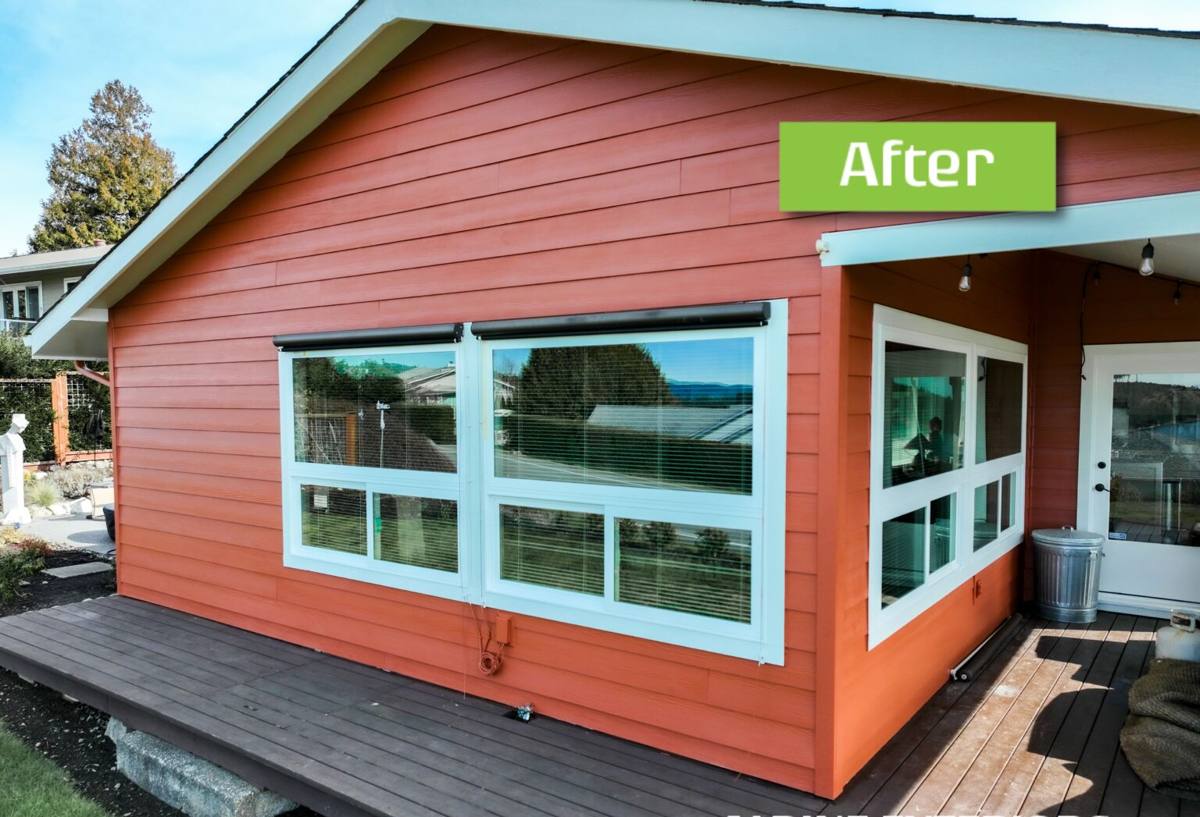
What Bellingham's Marine Climate Does to Windows
Salt Air and Metal Hardware
Proximity to the bay means a steady, low-level exposure to salt-laden air, even well up the hill. Over years, that air works on unprotected or lower-grade metal — window hardware, screen frames, and fasteners in particular. Cheaper hinges, locks, and cranks corrode faster here than they would inland, which is one reason we pay attention to hardware quality and finish, not just glass and frame specs, when we spec a window for this area.
Driving Rain and Water Intrusion
Wind-driven rain is the real test of a window installation, more so than the window unit itself. Rain that's being pushed sideways by wind will find any gap in flashing, sealant, or trim and work its way behind the siding. On an elevated, wind-exposed lot like much of South Hill, that pressure is higher than average, which means the installation details — not just the product — determine whether a window stays dry for the next twenty years or starts showing water staining in five.
Moss, Algae, and Prolonged Dampness
Whatcom County's long wet season keeps wood trim, sills, and exterior casing damp for extended stretches, and that dampness is exactly what moss and algae need to take hold. On older homes with original wood windows, we regularly see sills and lower sashes that have been softened by years of trapped moisture and moss growth around the frame. It's a slow process, which is part of why it goes unnoticed until the wood is already compromised.
Signs Your South Hill Home Needs New Windows
Not every issue means a full replacement, but these are the signs worth taking seriously, especially on a home that's been through a few decades of Bellingham winters:
- Visible gaps, soft spots, or moss growth around the exterior frame or sill
- Drafts you can feel near the window even when it's fully latched
- Windows that stick, won't stay open, or are difficult to lock
- Condensation or fogging between the panes of a double-pane unit — a sign the seal has failed
- Paint that bubbles or peels repeatedly on the interior sill, often a sign of moisture getting in from outside
- A noticeable rise in heating costs with no other explanation
- Noise transfer that seems worse than it should be for a closed window
If you're seeing more than one of these, it's worth having someone look at the window itself and the surrounding wall assembly, not just quote a replacement sight unseen.
What a Correct Installation Actually Involves
Flashing and Moisture Barriers
This is the part of the job nobody sees once the trim goes back on, and it's the part that matters most in a climate like this one. Proper flashing directs any water that gets past the exterior finish back out, rather than letting it sit against the framing. Skipping or shortcutting this step is the single most common reason a "new window" starts leaking within a few years — the window itself is rarely the problem.
Fit, Shimming, and Insulation
A window has to be shimmed level, plumb, and square in the rough opening before it's fastened, with the gap around it insulated correctly — not overpacked, not left hollow. Too little insulation leaves drafts and cold spots; overpacking certain foam products can actually bow the frame and cause the sash to bind. This is a detail that separates a rushed install from one that will still be operating smoothly in fifteen years.
Sealant and Trim Work
Exterior sealant has to be applied at the right points, not everywhere — sealing the wrong joint can trap moisture inside the wall instead of letting it drain. Trim gets reinstalled or replaced with attention to how it sheds water, which matters more here than in a drier climate, where a slightly imperfect trim detail wouldn't get tested nearly as often.
Choosing the Right Window Material for a South Hill Home
There's no single "best" window material — the right choice depends on the home's age, your budget, and how much upkeep you want to take on. Here's how the common options compare for a coastal Northwest climate like ours:
| Material | Moisture Resistance | Maintenance | Typical Lifespan | Best Fit |
|---|---|---|---|---|
| Vinyl | Good — won't rot, but seals and hardware wear over time | Low | 20-30 years | Budget-conscious replacements, rental properties |
| Fiberglass | Excellent — stable in wet/dry cycling, resists warping | Low | 30-40+ years | Homes with heavy wind and rain exposure |
| Wood-clad | Good on the exterior clad face; interior wood needs care | Moderate to high | 20-30 years with upkeep | Historic or character homes where wood interior trim matters |
| Aluminum-clad wood | Very good exterior protection | Moderate | 25-35 years | Homes wanting a wood interior with low-maintenance exterior |
For older South Hill homes where the original wood windows have historic or architectural value, replacement isn't always the first answer — sometimes a well-executed restoration with modern weatherstripping gets more life out of the existing frame than a full swap. We'll tell you honestly which situation you're in rather than defaulting to a full replacement quote.
Our Window Installation Process
- On-site assessment. We look at the existing windows, the surrounding wall and trim condition, and how exposed the home is to wind and rain.
- Accurate measurement. Every window opening is measured individually — older homes especially rarely have perfectly uniform openings.
- Product selection. We walk through material and glass options based on your home, your budget, and how the window will actually be used.
- Removal and opening prep. Old units come out carefully, and we inspect the framing underneath for hidden rot or moisture damage before anything new goes in.
- Installation, flashing, and sealing. The window is set, shimmed, insulated, flashed, and sealed to shed water correctly — this is where most of the long-term performance is determined.
- Trim and finish work. Interior and exterior trim is reinstalled or replaced to match the home.
- Cleanup and walkthrough. We clean up the work area and walk through the finished windows with you before calling the job done.
What Drives the Cost of Window Installation
Costs vary enough by material, size, and site conditions that a real number only comes from an in-person look, but broadly, most single-window replacement projects for a typical home fall somewhere in the range of several hundred to over a thousand dollars per window installed, depending on the factors below. A whole-home replacement is priced accordingly and usually comes with per-unit savings over doing them one at a time.
- Window material and glass package (standard double-pane versus upgraded triple-pane or specialty glass)
- Size and configuration — a large picture window or custom shape costs more than a standard double-hung
- Condition of the existing framing and whether hidden rot or moisture damage needs repair first
- Number of windows being replaced at once
- Access — second-story or hard-to-reach windows on a hillside lot can add time
- Trim and finish work required to match the home's existing look
We'll break down what's driving your number specifically rather than handing you a flat per-window price that doesn't reflect your home.
Why Hiring a Crew That Already Works South Hill Matters
A window install that's correct in a drier, calmer climate can still fail here if the crew doesn't account for the wind and rain exposure specific to an elevated site like South Hill. We know which details need extra attention on a hill lot that catches more wind than the flatter parts of Bellingham, how to handle older homes where the original construction wasn't built to current moisture-management standards, and how to work around the tighter lots and hillside access that come with this neighborhood. That familiarity shows up in fewer surprises during the job and a better outcome once the siding and trim go back together.
If you're weighing whether it's time to replace a window, restore one, or just want a straight opinion on what you're looking at, we're happy to take a look. Reach out for a free, no-pressure estimate — we'll tell you what we actually see, not just what sells a bigger job.