 Bellingham
 Storm Damage Roofing in Sunnyland: A Neighborhood That Takes a Beating Quietly
Sunnyland doesn't get the dramatic storm headlines that coastal towns further out on the Sound get, but that doesn't mean the roofs here have it easy. Bellingham's weather pattern — long stretches of driving rain off the water, wind events that funnel through Whatcom County's valleys, and a moss season that can run eight or nine months a year — wears on a roof gradually. Most storm damage we see in Sunnyland isn't a single catastrophic event. It's a shingle that lifted in a windstorm two winters ago, never got noticed, and has been letting water creep under the roofing system ever since.
That slow-motion pattern is exactly why storm damage repair matters as its own service, separate from a full re-roof. Catch it early and you're looking at a targeted repair. Miss it, and the same problem turns into sheathing rot, insulation damage, and interior repairs that cost far more than the roof work would have.
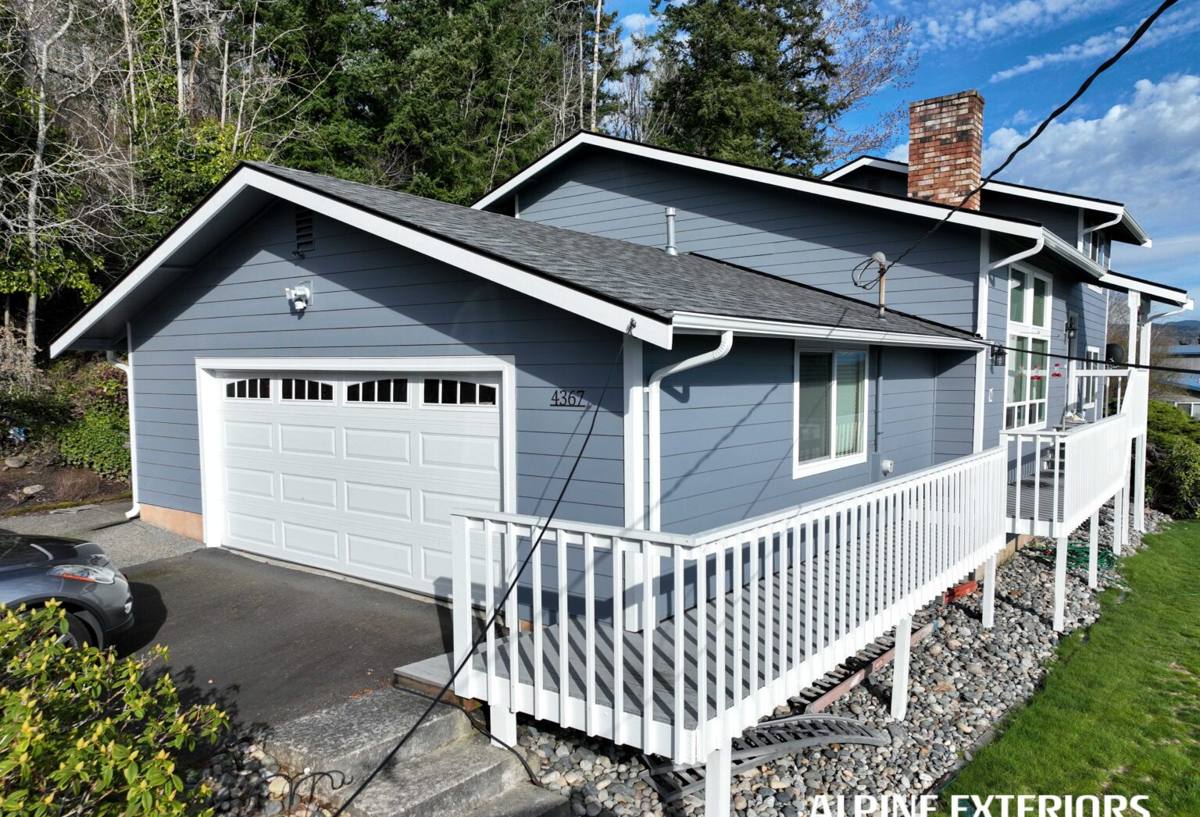
What Bellingham's Climate Actually Does to a Roof
Salt Air and Corrosion
Sunnyland sits close enough to Bellingham Bay that salt-laden air is a real factor, especially on the sides of a roof facing the water or exposed to prevailing wind. Salt air accelerates corrosion on exposed fasteners, flashing, and any metal roofing components. A nail that's slightly proud of the shingle, or a flashing seam that's not properly sealed, will corrode faster here than it would inland — and a corroded fastener is one of the most common hidden causes of a leak that seems to "come from nowhere."
Driving Rain and Wind-Driven Water
Whatcom County storms often bring rain sideways, not straight down. That matters because a roof can be in fine shape for vertical rainfall and still leak badly under wind-driven rain, because the water is being pushed up under shingle edges, through poorly lapped flashing, and into vents and penetrations that were never designed to handle water moving at that angle. This is the single biggest reason storm damage repair needs an experienced eye — the entry point and the leak location inside the house are frequently nowhere near each other.
Moss and Trapped Moisture
Bellingham's moss season is long, and Sunnyland's tree-shaded, established residential streets mean plenty of shade and slow-drying roof surfaces. Moss itself doesn't puncture a roof, but it holds moisture against the shingle surface far longer than bare roofing would, and it lifts shingle edges as it grows — which gives wind and rain an easy foothold during the next storm. A roof going into storm season with heavy moss buildup is a roof that's already compromised before the wind even picks up.
What Counts as Storm Damage (and What Doesn't)
Homeowners often assume storm damage means missing shingles or a visible hole. In practice, most of what we repair after a wind or rain event in Sunnyland is less obvious:
- Shingles that lifted, cracked, or creased but are still nominally "in place"
- Flashing pulled loose or bent around chimneys, skylights, and roof-to-wall joints
- Fasteners backed out or corroded enough to lose their seal
- Gutter and downspout damage that redirects water back under the roof edge
- Debris impact — branches or limbs that bruise or puncture shingles without leaving an obvious gap
- Ridge cap or hip damage from wind uplift, often only visible from a ladder, not the ground
What isn't storm damage: general wear from age, moss-related granule loss that built up over years, or a roof that was already near the end of its service life before the storm. Part of an honest storm damage inspection is telling you which category you're actually in, since that affects both the repair approach and whether an insurance claim makes sense.
Our Storm Damage Repair Process
We approach every storm damage call in Sunnyland the same structured way, whether it's a same-week wind event or a slow leak a homeowner just noticed after the last big rain.
1. Full Roof Inspection, Not Just the Reported Spot
We walk the entire roof, not just the area near the interior stain or the obviously missing shingle. Because wind-driven rain can travel well before it shows up inside, the actual damage is often several feet — sometimes an entire roof plane away — from where the homeowner first noticed a problem.
2. Document Before Touching Anything
If there's any chance of an insurance claim, we photograph and note damage before starting repairs. This protects you if the claim is questioned later and gives you a clear record of pre-existing versus storm-caused conditions.
3. Repair to Match, Not Just Patch
A storm repair should blend into the surrounding roof system and restore the original water-shedding path — not just stop the immediate leak. That means matching shingle type and, where possible, color and age, and re-establishing correct flashing laps rather than relying on sealant alone to bridge a gap.
4. Address the Root Cause
If moss contributed to the failure, we treat that as part of the job, not a separate upsell — a repair that ignores the moss problem is a repair that fails again next season.
Repair vs. Replacement: How We Help You Decide
| Situation | Typical approach | Why |
|---|---|---|
| Isolated wind damage on an otherwise sound, mid-life roof | Targeted repair | Surrounding shingles and decking are still in good condition; no need to disturb them |
| Storm damage on a roof already near end of service life | Repair now, plan replacement | Stops active leaking; avoids spending replacement-level money on a roof you'll redo soon anyway |
| Repeated storm damage in the same area, multiple seasons | Investigate underlying cause | Recurring failure usually points to ventilation, flashing design, or moss buildup, not bad luck |
| Widespread wind uplift across multiple roof planes | Full replacement discussion | When damage is spread broadly, patch repairs can end up costing more than a planned replacement over time |
Insurance Claims: What Sunnyland Homeowners Should Know
Storm damage is one of the more straightforward categories for a homeowner's insurance claim, but the process still rewards preparation. We're happy to meet an adjuster on site, provide our documentation, and explain what we found in plain terms — but we work for you, not the insurance company. Our job is to tell you honestly what's storm-related and what isn't, and to make sure a legitimate claim isn't underscoped because damage was missed on a quick walk-through.
A few honest notes on the process:
- Not every leak after a storm is a covered storm claim — some are pre-existing wear that a storm simply exposed
- Detailed photos and a written scope from an independent roofer strengthen a claim far more than a verbal description
- Matching materials can be a real point of negotiation on partial roof repairs, especially with older or discontinued shingle lines
- Timelines matter — filing and documenting soon after an event, rather than weeks later, makes the cause-and-effect easier to establish
Why Hire a Crew That Already Works in Sunnyland
Storm damage repair rewards local knowledge in a way a full re-roof sometimes doesn't. A crew that regularly works this part of Bellingham has a feel for which roof orientations take the worst of the wind off the bay, how far moss tends to creep in a given season, and what the older housing stock in this part of town typically has for decking and flashing details underneath the surface layer. That context shortens the inspection, sharpens the diagnosis, and helps avoid repairs that address the symptom but miss the cause.
It also matters for response time. Storm damage that sits exposed for two or three extra weeks because a contractor is coming from out of the area can turn a shingle repair into a decking repair. Being local means we can usually get a tarp or temporary protection on a damaged area quickly, then schedule the permanent repair without the roof sitting open to the next system moving through.
After a Storm: A Practical Homeowner Checklist
- Check gutters and the ground around the house for granules, shingle pieces, or flashing debris
- Look for interior signs — ceiling stains, a musty smell in the attic, or damp insulation near exterior walls
- From the ground, look for shingles that appear lifted, curled, or missing along ridges and edges
- Avoid getting on the roof yourself, especially on wet or moss-covered surfaces — this is exactly when falls happen
- Photograph anything you can see safely, including debris and visible roof-level damage, as soon as possible
- Get a professional inspection promptly, even if the visible damage looks minor
What a Correct Repair Looks Like When It's Finished
A storm damage repair is done right when it disappears — not just when the leak stops. That means shingle courses that tie in cleanly with the surrounding roof, flashing that's properly lapped and sealed rather than caulked over, and no shortcuts on the fasteners or underlayment just because it's a repair rather than a full replacement. We also check attic ventilation while we're up there, since poor ventilation is one of the quieter contributors to both moss growth and moisture problems that make storm damage worse than it should be.
If you're dealing with storm damage on a Sunnyland roof, or you're just not sure whether what you're seeing is worth a service call, we're glad to take a look. We offer free, no-pressure estimates and straight answers about what your roof actually needs — use the form below to get started.