 Bellingham
 Windows Built for Sehome's Weather, Not Just Any Weather
Sehome sits close enough to Bellingham Bay and the rest of Whatcom County's marine climate that windows here take a different kind of beating than windows a hundred miles inland. It's not one big storm that wears a window out — it's the daily grind of salt-laced air off the water, driving rain that hits glass and trim sideways instead of straight down, and a moss season that stretches from fall through spring and never really lets the wood, vinyl, or aluminum around a window fully dry out. A window that's rated fine for a showroom in a dry climate can still fail early once it's living through a Whatcom County winter year after year.
We work on homes throughout Sehome regularly, and the pattern we see is consistent: it's rarely the glass itself that fails first. It's the seals, the flashing, the frame material, and the installation details around the window opening. Get those right for this climate and a window will earn its keep for decades. Get them wrong — even with expensive glass — and you'll be dealing with fogged panes, soft trim, or drafts within a handful of years.
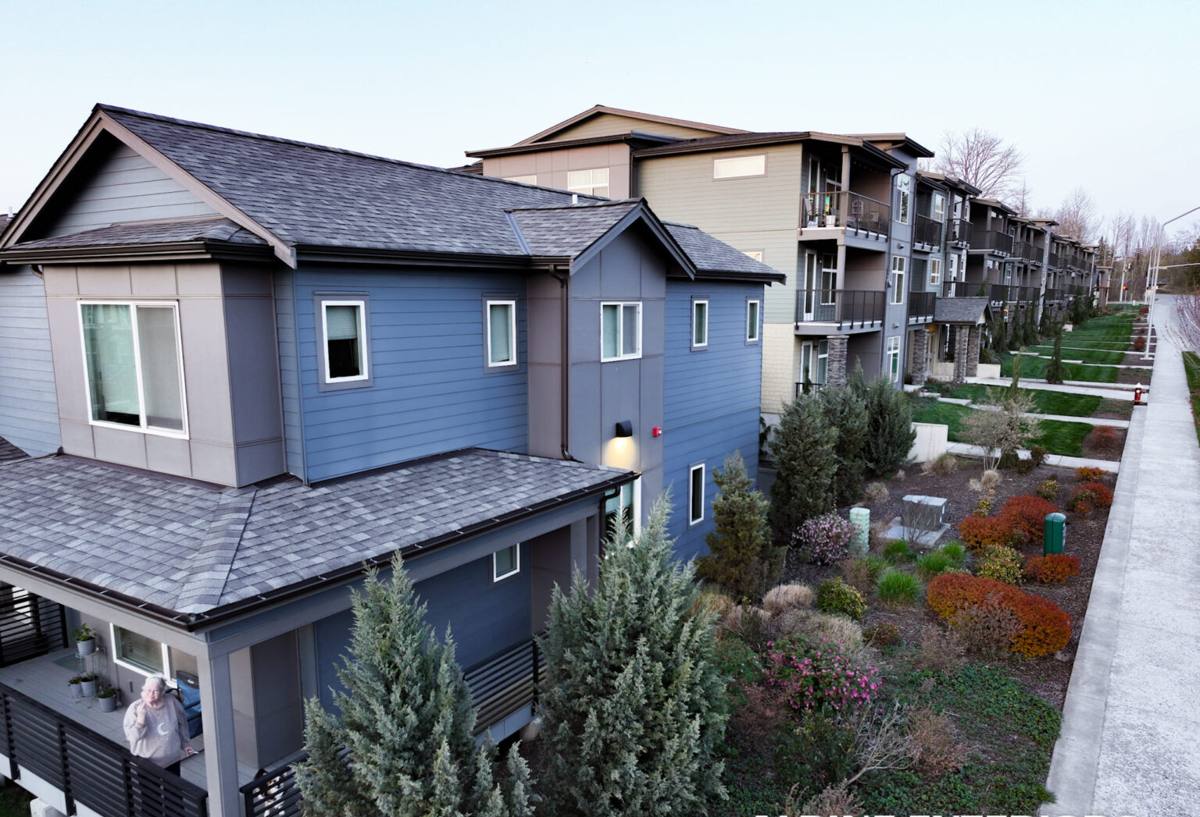
What Bellingham's Marine Climate Actually Does to a Window
Salt Air and Metal Components
Sehome isn't waterfront, but it's close enough to the Bay that salt-bearing air moves through the neighborhood on a regular basis, especially with onshore winds. Salt air accelerates corrosion on hardware, hinges, and unprotected metal frame components. Aluminum-clad and vinyl products with quality hardware hold up fine; cheaper hardware or unprotected fasteners are where we see problems first, usually starting as stiff locks or corroded screws before anything visible shows up on the glass itself.
Driving Rain
Wind-driven rain doesn't just run down a wall — it gets pushed sideways and can find its way behind trim and siding at the window opening if flashing and sealant details aren't done correctly. This is the single biggest cause of hidden window-related damage we find in this area: not a bad window, but a window that was installed without proper flashing integration into the wall's water management system. Water gets behind the frame, and by the time it shows up as a stain or soft spot on the interior sill, it's often been happening for a season or two already.
Moss and Constant Moisture
A long moss season means anything that stays damp — wood sills, wood-clad frames, even vinyl tracks that don't drain well — is dealing with sustained moisture exposure for months at a stretch, not just occasional rain events. Moss and algae growth on horizontal surfaces near windows holds moisture against the material longer, which is hard on wood trim and can clog weep holes on vinyl and aluminum units if they're not designed or maintained well.
Sehome's Housing Stock: Why Age and Style Matter Here
Sehome has a real mix of older homes — including craftsman-era and mid-century houses near the university area — alongside newer construction and remodels. That mix matters for window work because the right approach is different depending on what you're starting with:
- Older wood-frame homes: Original window openings are often out of square after decades of settling, and old wood trim may already have hidden moisture damage that needs addressing before a new window goes in — not after.
- Homes with older aluminum windows: Common in mid-century construction, these single-pane aluminum units are usually the biggest energy-efficiency upgrade opportunity in the neighborhood — they conduct cold straight through the frame and condensate heavily in our damp winters.
- Newer builds and past remodels: Sometimes the window unit itself is fine but the flashing or sealant has failed early, which is a maintenance and re-flashing conversation rather than a full replacement.
We assess the opening and the surrounding wall assembly, not just the window unit, because in this climate the installation is doing as much work as the product.
What "Energy-Efficient" Actually Means for This Area
Energy efficiency in a marine climate like ours is less about blocking extreme heat and more about controlling heat loss, condensation, and drafts through a long heating season with a lot of damp, cool days. A few factors matter more here than they would in a hot, dry climate:
| Factor | Why It Matters in Whatcom County |
|---|---|
| U-Factor (heat loss rating) | Lower U-factor keeps interior heat in during our long, cool, wet season — this matters more here than solar heat gain does. |
| Low-E glass coating | Reduces heat loss through the glass and helps limit interior condensation on cold, damp mornings — a common complaint in older single-pane homes. |
| Frame material | Needs to resist moisture intrusion and hold up to salt-air corrosion without warping, swelling, or pitting over years of damp exposure. |
| Weep hole / drainage design | Must actually drain in sustained rain, not just occasional showers — clogged or poorly designed weep systems back up water into the frame. |
| Air infiltration rating | Wind off the Bay finds gaps; a tight seal reduces both drafts and the moisture that rides in on that air. |
Frame Material: An Honest Comparison for This Climate
There's no single "best" frame material for every home — it depends on the house, the budget, and how much upkeep you want to take on. Here's how the common options actually perform in Sehome's conditions:
- Vinyl: Doesn't corrode, doesn't need painting, and handles moisture well when it's a quality product with good drainage design. It's the most common choice we install in this area for a reason — low maintenance in a climate that punishes anything requiring upkeep.
- Fiberglass: Very stable in temperature and moisture swings, resists warping, and holds paint well if you want a specific color. Costs more up front but is a strong option for homes where long-term stability matters most.
- Wood (with cladding): Can look great and suit older home character, but bare wood exposed to our rain and moss season needs real maintenance discipline. Clad wood (vinyl or aluminum exterior over a wood interior) is a reasonable middle ground if you want the wood look inside without the exterior upkeep.
- Aluminum: Strong and slim-profile, but a poor insulator unless it has a thermal break, and it's more prone to condensation in our cool, damp climate without one. We're upfront with homeowners about this trade-off rather than steering everyone toward it just because it's common in older neighborhood housing stock.
How We Approach an Energy-Efficient Window Job in Sehome
1. Assess the Opening, Not Just the Window
We check the condition of the framing, sill, and any existing water damage before quoting anything. In older Sehome homes especially, this step catches problems that would otherwise get sealed behind a brand-new window and cause trouble later.
2. Confirm the Right Product for the Specific Wall
Frame material, glass package, and installation method get matched to the home — a rain-exposed west-facing wall gets treated differently than a sheltered wall, even on the same house.
3. Flashing and Water Management First
Proper flashing integration with the existing siding and weather barrier is non-negotiable in this climate. This is the step that prevents driving rain from becoming hidden rot two years down the line.
4. Air Seal and Insulate the Gap
The space between the new window frame and the rough opening gets properly sealed and insulated — a gap here undercuts the energy performance of even the best window unit.
5. Final Check and Cleanup
We check operation, seals, and drainage before we consider the job done, and leave the work area clean.
Signs a Sehome Home Might Need Window Work
- Condensation building up between panes (a sign the seal has failed on a double- or triple-pane unit)
- Persistent fogging on the inside of the glass on cold mornings
- Visible gaps, drafts, or a noticeable cold spot near the window in winter
- Soft, discolored, or swollen wood trim or sill
- Windows that are difficult to open, close, or lock — often a sign of frame movement or corroded hardware
- Moss or dark staining building up on the sill or trim that keeps coming back after cleaning
Maintenance That Actually Matters Here
Whatever windows you have, a little seasonal attention goes a long way in this climate. Clear debris and moss from sills and tracks before the wet season sets in, make sure weep holes aren't blocked, and check that caulking around the frame's exterior perimeter hasn't cracked or pulled away. Catching a small sealant gap early is a lot cheaper than dealing with the water damage it causes if it's left through a full Bellingham winter.
Why It Matters That We Already Work in This Neighborhood
A crew that works Sehome regularly already knows what the older housing stock here tends to hide behind its trim, how the local wind and rain patterns hit different sides of a house, and which installation details actually hold up through a Whatcom County winter versus which ones look fine on day one and fail by year three. That's not something you get from a general product brochure — it comes from doing the work in this specific neighborhood, in this specific climate, over and over.
If you're dealing with drafty, foggy, or aging windows anywhere in Sehome, we're glad to take a look and give you a straight answer about what's actually going on and what it would take to fix it right. Request a free, no-pressure estimate using the form below.