 Bellingham
 Storm Damage Roof Repair for Cordata Homes
Cordata sits in north Bellingham, close enough to the water to catch salt-laden wind off Bellingham Bay and far enough inland to still get the full brunt of Whatcom County's winter storm track. That combination is hard on roofs. Homes here deal with driving rain that comes in sideways during a southwesterly blow, gusts that lift and stress shingle edges, and a moss season that runs long enough to do real damage if nobody's keeping an eye on it. Storm damage repair in this neighborhood isn't just patching a leak after the fact — it's understanding how those three factors compound on each other over a wet Northwest year.
This page covers what storm damage actually looks like on a Cordata roof, what a repair needs to include to hold up through the next storm, and how we handle the job from first call to final walk-through.
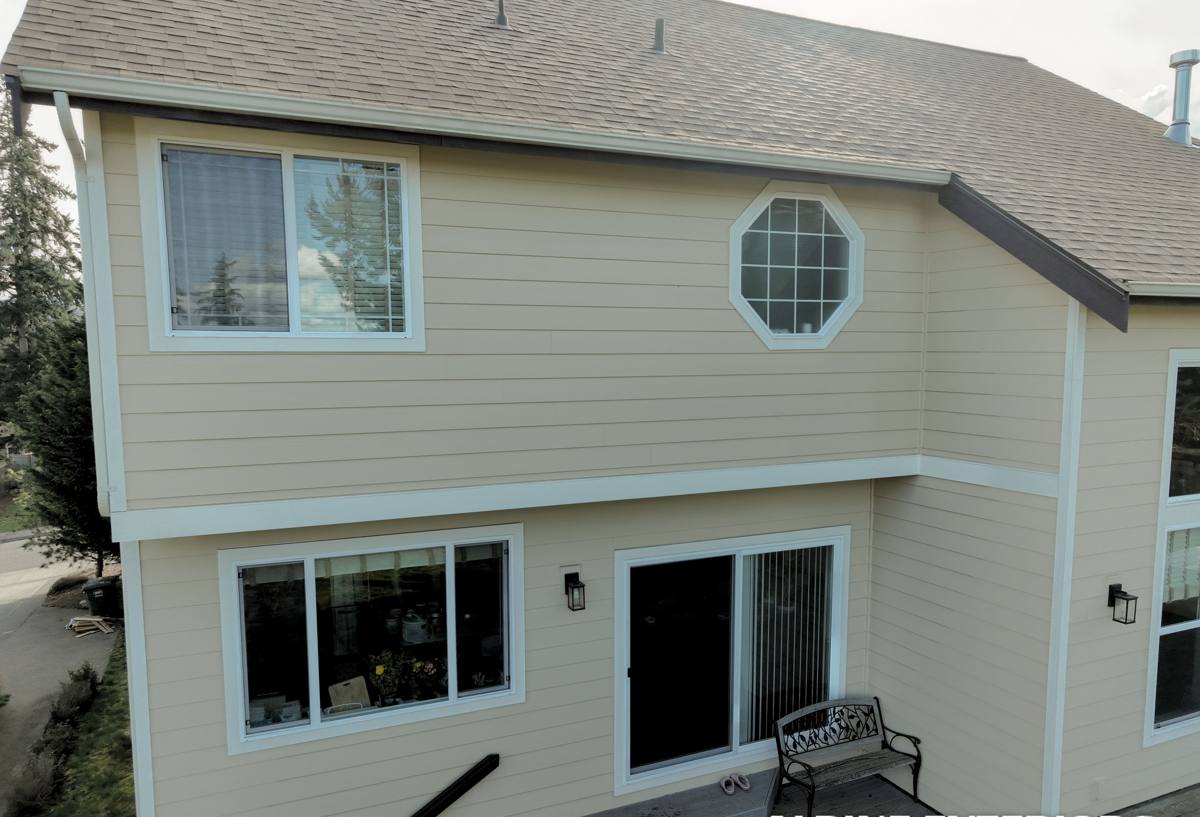
Why Cordata Roofs Take a Particular Kind of Beating
Salt Air and Wind Exposure
Bellingham's proximity to the bay means metal fasteners, flashing, and exposed hardware corrode faster here than they would further inland. A roof that's structurally sound can still fail at the weak points — nail heads, flashing seams, gutter hangers — because salt-laden moisture works on metal year-round, not just during storms. Wind off the water also tends to hit roofs at odd angles rather than straight-on, which is why storm damage in this area often shows up on hip and rake edges that a homeowner wouldn't think to check first.
Driving Rain
Whatcom County storms rarely drop rain straight down. Wind-driven rain gets pushed up under shingle tabs, into vent flashing, and along any seam that's even slightly compromised. This is why a roof can pass a casual visual check from the ground and still be actively leaking — the damage is happening at laps and transitions, not on the open field of the roof where it's easy to see.
A Long Moss Season
Bellingham's wet, mild climate keeps conditions right for moss growth most of the year, and Cordata's tree cover in places adds extra shade that slows drying between rain events. Moss that's been left to establish itself holds moisture against the roofing material and works its way under shingle edges, which weakens exactly the areas that need to hold tight when a storm hits. A lot of what looks like sudden storm damage is really months of moss undermining a roof section that then fails under wind load.
Signs of Storm Damage Homeowners Often Miss
Not all storm damage announces itself with an active drip in the living room. Some of the most costly damage sits quietly for weeks or months before it turns into a bigger repair. Things worth checking after any significant wind or rain event:
- Granules collecting in gutters or at downspout outlets — a sign shingles have been abraded by wind-blown debris or hail
- Shingle tabs that look slightly lifted or curled at the edges, even if none are missing outright
- Flashing around chimneys, skylights, and roof-to-wall transitions that looks bent, loose, or separated
- New moss or algae growth concentrated in one area, which can mean water is sitting there longer than it should
- Water stains on interior ceilings or in the attic, especially near exterior walls or valleys
- Gutters pulling away from the fascia or sagging after heavy rain
- Any debris impact — branch strikes are common in wooded parts of Cordata during windstorms
Any one of these on its own might not be urgent. Several together, or any sign of active water intrusion, means it's worth getting looked at before the next storm rolls through.
What a Correct Storm Damage Repair Actually Involves
A repair that's done right doesn't stop at the visible damage. Storm damage tends to have a source and a symptom, and fixing only the symptom means calling us back after the next storm. A proper repair includes:
Full Roof Assessment, Not Just the Damaged Spot
We check the whole roof, not just the section that's obviously damaged. Wind and rain rarely hit one isolated area — if there's damage on one slope, we're looking at flashing, valleys, and vulnerable transitions across the whole roof to see whether the storm compromised anything else that hasn't leaked yet.
Underlayment and Decking Check
If water has been getting in for any length of time, the underlayment beneath the shingles and the decking beneath that can be compromised even where the shingles themselves look okay. Replacing shingles over damaged decking or saturated underlayment just hides the problem until it reappears, usually as a soft spot or a new leak in a slightly different location.
Flashing and Fastener Replacement
Given the salt air exposure in this part of Bellingham, we replace corroded flashing and fasteners rather than reusing them, even if they're not the primary point of failure. Reinstalling shingles around flashing that's already compromised just sets up the next leak.
Matching Materials Where Possible
For a repair rather than a full replacement, we match shingle type, color, and where possible manufacturer to what's already on the roof. We're upfront when an exact match isn't available — shingle lines get discontinued or fade unevenly over time — so there are no surprises about how the repaired section will look.
Repair or Replace? What Actually Drives That Decision
Storm damage doesn't always mean a full roof replacement, but it's worth knowing what tips the decision one way or the other before an estimate.
| Factor | Favors Repair | Favors Replacement |
|---|---|---|
| Roof age | Under 10-12 years, in otherwise good condition | Nearing or past expected lifespan |
| Extent of damage | Isolated to one slope or a small area | Spread across multiple slopes or repeated storm hits |
| Decking condition | Solid, no soft spots or rot | Saturated, soft, or showing rot |
| Prior repair history | Clean history, well maintained | Multiple past patches, chronic moss or moisture issues |
| Material availability | Matching shingles still available | Discontinued line, mismatch would be very visible |
We'll give an honest read on which category a given roof falls into. If a repair genuinely solves the problem, that's what we recommend — we're not in the business of selling a full replacement when a targeted fix will hold.
Insurance and Storm Damage Claims
Most storm damage repairs in this area go through homeowners' insurance, and the process goes smoother when the documentation is thorough from the start. When we assess storm damage, we photograph and document what we find in a way that supports a claim — not just a general "roof looks damaged" note, but specifics on what failed, where, and how it ties to the storm event. We're happy to walk through what we found with an adjuster and explain the scope of repair needed. We don't handle the claim itself — that's between the homeowner and their insurer — but we make sure the documentation on our end doesn't slow that process down.
Our Process for Cordata Storm Damage Calls
- Initial call and scheduling — we get a sense of what happened and get someone out promptly, especially if there's active water intrusion.
- On-site inspection — full roof check, not just the reported damage area, including attic access where relevant.
- Documentation — photos and a written scope of what's damaged and what caused it, useful for insurance if needed.
- Written estimate — a clear breakdown of what the repair involves and why, with repair vs. replacement laid out honestly.
- Repair work — matched materials, proper flashing and fastener replacement, and a check of surrounding areas before we call it done.
- Final walk-through — we go over what was done and flag anything worth keeping an eye on going forward.
Why a Crew That Already Works in Cordata Matters
Storm damage repair benefits a lot from local familiarity. A crew that regularly works Bellingham roofs already knows which shingle types and installation details tend to struggle against salt air and driving rain in this specific area, and can usually get a truck out faster after a storm than a company dispatching from further away. There's also a practical side to it: knowing the typical roof pitches, common flashing details, and moss patterns in Whatcom County neighborhoods means less time spent figuring out the roof and more time actually fixing it.
After the Storm: What to Do First
- If there's active leaking indoors, place a container to catch water and move any valuables or electronics out of the way
- Take photos of visible exterior damage from the ground if it's safe to do so — don't get on the roof yourself after a storm
- Check the attic, if accessible, for water stains, damp insulation, or daylight coming through anywhere it shouldn't
- Note the date and approximate time of the storm event for insurance purposes
- Call for an inspection before the next rain, especially if you noticed lifted shingles, missing granules, or debris impact
- Avoid DIY tarping on a steep or wet roof — it's not worth the fall risk, and a poorly secured tarp can cause its own damage
Staying Ahead of the Next Storm
Given how long the moss season runs here and how often Bellingham sees wind events off the bay, the roofs that hold up best over time are the ones that get looked at before storm season rather than only after. A periodic check of flashing, moss buildup, and gutter condition catches small issues while they're still small repairs instead of storm-triggered emergencies. If it's been a while since your roof was last inspected, that's worth doing regardless of whether a specific storm prompted the call.
If you're dealing with storm damage on a Cordata roof, or just want an honest read on where things stand before the next system rolls through, we're glad to come take a look. Reach out for a free, no-pressure estimate using the form below.