 Bellingham
 Window Replacement Built for Columbia's Coastal Conditions
The Columbia neighborhood sits close enough to Bellingham Bay that its homes take a different kind of weathering than houses further inland in Whatcom County. Salt-laden air moves through the neighborhood on a regular basis, driving rain comes in sideways during winter storms, and the long gray stretch from October through April keeps everything damp for months at a time. Windows in this part of Bellingham don't fail because of one bad storm — they fail slowly, from years of moisture working into places it shouldn't be.
If you own an older home in Columbia, there's a good chance your original windows were never built with this specific exposure in mind. Aluminum-frame windows from past decades corrode where salt air meets condensation. Wood windows that aren't maintained on a strict schedule rot at the sill first. Vinyl windows with weak seals fog up between the panes within a few years. None of that is a mystery once you've worked on enough houses in this neighborhood — it's just what marine climate does to a window that wasn't matched to it.
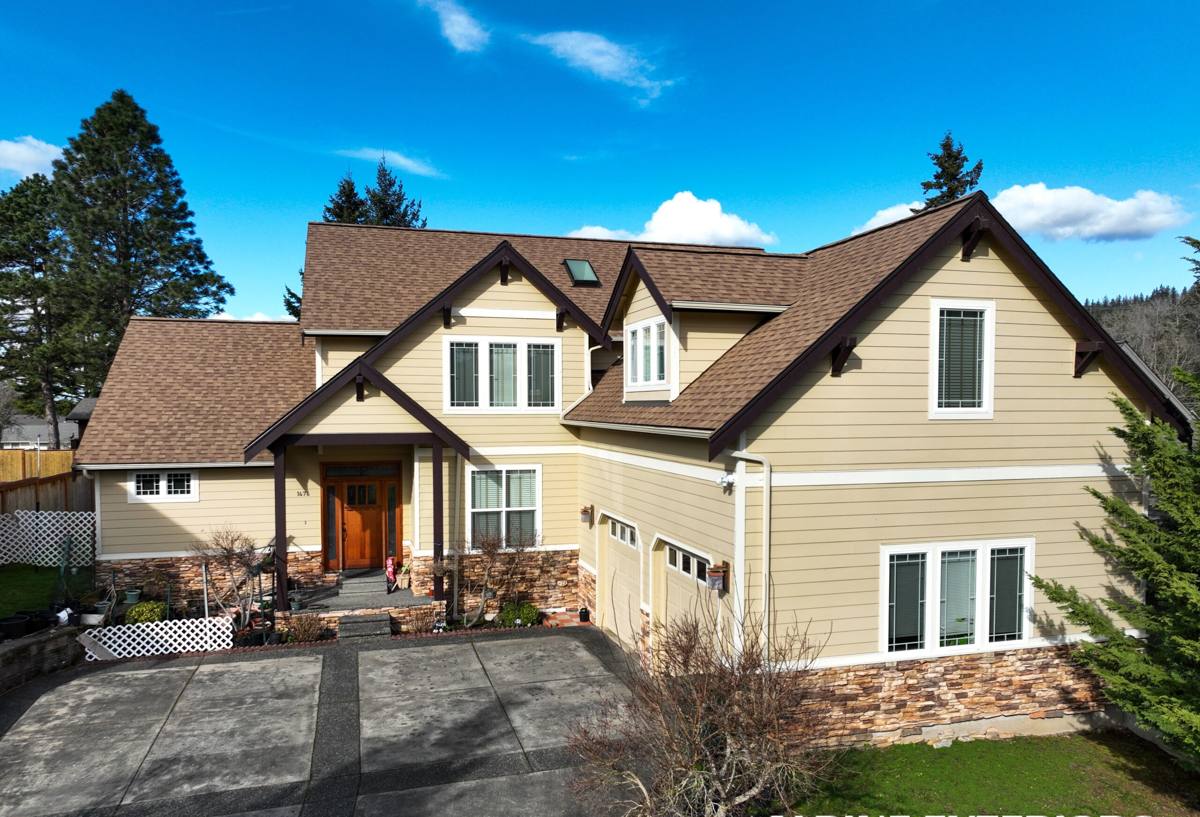
What Columbia Homes Actually Need From New Windows
A correct window replacement here isn't about picking the most expensive option — it's about matching materials, drainage, and installation detail to the way weather actually hits this neighborhood. A few things matter more here than they would in a drier part of the state:
Air and Water Sealing
Driving rain doesn't just test a window's seal — it tests the flashing, the sill pan, and the way the window ties into the wall assembly behind the siding. A window that's watertight on a calm day can still leak during a wind-driven storm if the perimeter wasn't detailed correctly. This is where a lot of budget installs go wrong: the window itself is fine, but the install around it isn't.
Frame Material That Handles Salt Air
Not every frame material ages the same way near the bay. Vinyl and fiberglass frames generally hold up well because they don't corrode. Aluminum frames, unless they're a marine-rated product with a proper thermal break, tend to show pitting and hardware corrosion earlier than they would inland. Wood frames can still be the right choice for older or historic-style homes in Columbia, but only with a real maintenance commitment — a good coating schedule and prompt attention to any peeling paint.
Moss and Debris Management Around the Window
Bellingham's long wet season means moss and organic debris build up on sills, tracks, and nearby trim if nothing is done to shed it. That buildup holds moisture against the frame. Part of a correct install is making sure water has somewhere to go — proper slope on the sill, weep holes that aren't blocked, and trim details that don't trap standing water against the window.
What a Correct Window Replacement Involves
Replacing a window is more than swapping the sash or popping in a new unit. Done right, it's a sequence, and skipping steps is exactly how a house ends up with hidden rot a few years down the road.
- Remove the old window and inspect the rough opening for water damage, soft wood, or existing rot — this is often the first time anyone has actually looked behind the trim in years.
- Repair or rebuild any compromised framing before anything new goes in. Installing a new window over damaged framing just hides the problem.
- Install a proper sill pan and flashing sequence so any water that does get past the window sheds outward, not into the wall.
- Set the new window, shim it plumb and square, and insulate the gap correctly — over-packing with the wrong material can bow the frame and cause its own air leaks.
- Seal and trim the exterior with materials suited to marine exposure, and finish the interior to match the rest of the room.
Each of those steps takes time, and none of them can really be rushed if the goal is a window that's still performing well in fifteen or twenty years, not just one that looks good on install day.
Choosing the Right Window Type for a Columbia Home
Frame material is one decision; window style is another, and both affect how well a window handles this neighborhood's weather over time.
| Window Type | How It Handles Rain/Wind | Best Fit |
|---|---|---|
| Vinyl, double-hung or slider | Good seal, low maintenance, resists corrosion | Most standard replacements, budget-conscious upgrades |
| Fiberglass | Very stable in temperature swings, holds seals well long-term | Homes wanting a longer-life, lower-maintenance option |
| Wood, clad exterior | Good performance if maintained; exposed wood exterior is a higher-risk choice near the bay | Historic-style homes where appearance matters most |
| Aluminum | Prone to corrosion and condensation unless marine-rated with thermal break | Limited use; we're selective about where we recommend it here |
| Casement | Compression seal handles wind-driven rain very well | Walls that take direct weather exposure |
We're not going to tell a homeowner that a given brand or material is bad — plenty of window products are well made. What we will do is tell you honestly where a given option makes sense for a Columbia home and where it's likely to give you maintenance headaches given the exposure your specific walls get.
Signs a Columbia Home Needs Window Replacement Soon
- Condensation or fogging between the panes of a double-pane window — the seal has failed and it can't be repaired, only replaced.
- Soft or spongy wood at the sill or bottom corners of the frame when you press on it.
- Visible corrosion or white powdery buildup on aluminum frames or hardware.
- Drafts you can feel with a hand near the frame on a windy day, even with the window latched.
- Difficulty opening, closing, or latching the window — frames can warp slightly as they take on moisture.
- Paint that keeps failing at the same spot on a wood frame no matter how often it's touched up.
- Visible daylight or gaps around the trim where caulking has pulled away.
Any one of these on its own isn't an emergency, but a few of them together on the same window usually means it's cheaper to replace than to keep patching.
How Our Process Works
We start with a walkthrough of the windows you're concerned about, and honestly, often a few you weren't asking about but that we notice while we're there. We'll tell you straight which ones are due for replacement now, which ones have a few years left, and which ones are fine as-is. From there:
- Assessment: We check framing condition, current seal performance, and how each window is oriented to prevailing wind and rain.
- Recommendation: We walk you through material and style options suited to that specific wall — not a one-size answer for the whole house.
- Written estimate: Clear scope, clear pricing, no vague allowances that turn into surprises later.
- Installation: Full removal, framing repair as needed, correct flashing and sealing sequence, and a clean finish inside and out.
- Walkthrough: We go over the finished work with you before we consider the job done.
What Window Replacement Typically Costs
Cost varies with window size, frame material, number of windows, and how much framing repair is needed once we open things up. As a rough range, a single standard vinyl window replacement often falls somewhere in the low-to-mid four figures installed, with fiberglass and wood-clad options running higher. Homes with hidden rot behind the old trim will cost more once that repair work is factored in — which is exactly why we inspect before quoting rather than guessing from the outside.
We'd rather give you an honest number after actually looking at your windows than a low estimate over the phone that grows once we're on-site.
Why Hire a Crew That Already Works in Columbia
There's a real difference between a crew that installs windows generally and one that's used to Whatcom County's marine exposure specifically. We know which frame materials hold up near the bay and which ones don't. We know moss and standing water are a year-round concern here, not just a fall cleanup issue. And we know that a window install that looks fine on a dry August afternoon still has to perform through a wet, windy January — that's the actual test.
We're a Bellingham-based crew, and Columbia is a neighborhood we work in regularly, not an occasional job site. That familiarity shows up in the small decisions — sill pan detailing, trim material choices, how tight we seal against wind-driven rain — that separate a window replacement that lasts from one that needs attention again in five years.
Get an Estimate
If your windows in Columbia are showing their age — fogging, drafts, sticking, or visible frame damage — we're glad to come take a look. The estimate is free, there's no pressure, and you'll get a straight answer about what actually needs doing versus what can wait. Use the form below to get started.