 Bellingham
 Board & Batten Siding for Sehome Homes
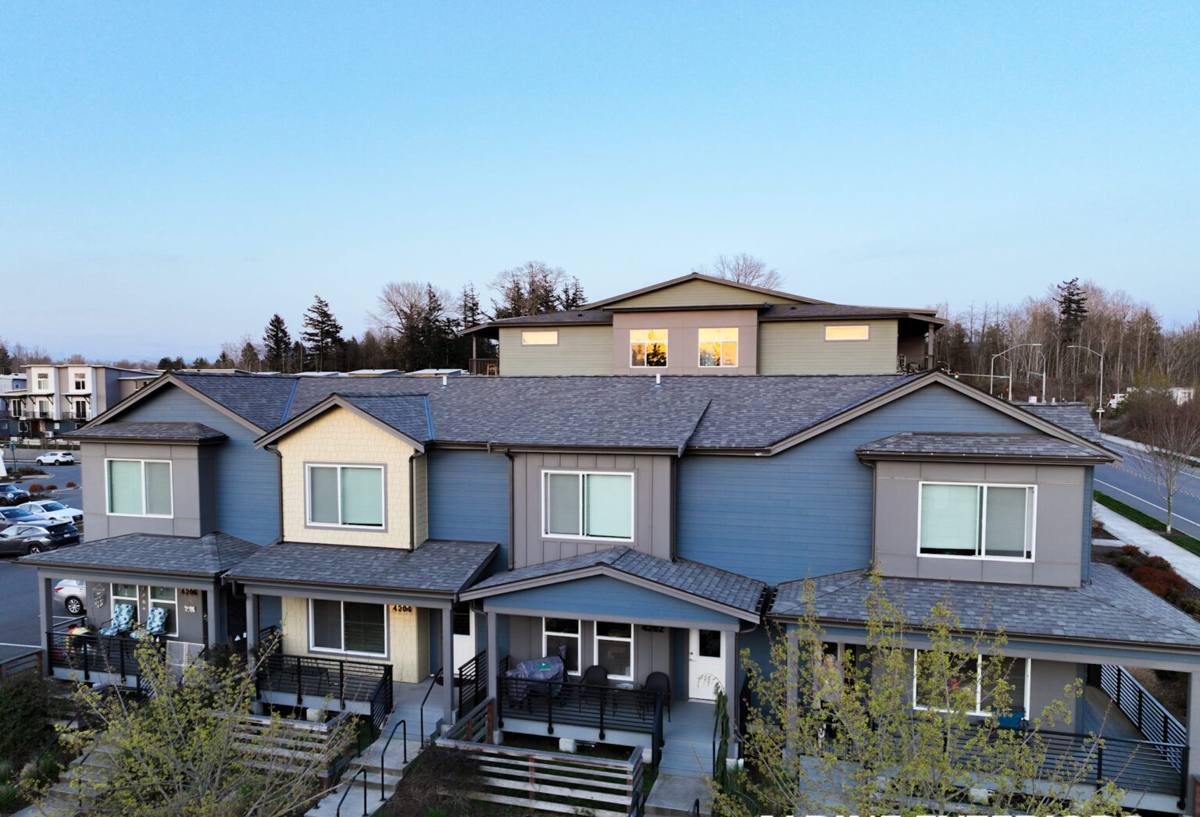
Board and batten is one of the most recognizable siding styles in the Pacific Northwest — bold vertical lines, deep shadow reveals, and a clean look that works equally well on a craftsman bungalow near Western Washington University or a newer build closer to the I-5 corridor. In Sehome, where the housing stock ranges from older homes to more recent construction, board and batten gets used both as a full siding system and as an accent on gables, dormers, and porch faces alongside horizontal lap siding.
What most homeowners don't realize is that board and batten is more climate-sensitive than standard lap siding. The vertical battens create more seams, more fastener penetrations, and more opportunities for water to find its way behind the cladding if the installation isn't done correctly. In a neighborhood that sits close enough to the water to catch salt-laden air and gets the full benefit of Whatcom County's long wet season, those details aren't optional — they're the difference between siding that looks good for decades and siding that starts showing problems in five years.
What Sehome's Climate Does to Vertical Siding
Bellingham's exterior surfaces deal with three things nearly year-round: salt air drifting in off the water, driving rain that hits siding at an angle instead of straight down, and a moss and algae season that can run eight months or longer in shaded, damp spots. Board and batten siding is affected by all three in ways lap siding isn't:
- Salt air accelerates corrosion on fasteners, flashing, and trim — and with board and batten, there are simply more fasteners exposed along each batten strip.
- Driving rain pushes water sideways into vertical seams and batten joints, which is why the flashing and drainage plane behind the boards matter more here than on a flat lap wall.
- Moss and algae take hold fastest on north- and west-facing walls that stay shaded and damp — common in tree-lined parts of Sehome near Sehome Hill — and they hold moisture directly against whatever material is under them.
None of this means board and batten is a bad choice for this neighborhood. It means the material and the installation both need to be built for these conditions, not just for how the finished wall looks.
Why We Only Install James Hardie for Board & Batten
There's more than one way to build a board and batten wall. Some contractors use vinyl board and batten panels, some use LP SmartSide (an engineered wood product), and some still use traditional wood boards and battens, primed or cedar. We don't install any of those — on this house style or any other. Here's the honest reasoning, not a sales pitch:
- Vinyl board and batten is affordable and low-maintenance in dry climates, but it expands and contracts with temperature swings, can visibly ripple over time, and doesn't hold a factory finish the way fiber cement does. In a marine climate with constant moisture cycling, that movement is more pronounced.
- LP SmartSide is a wood-strand product with a resin-treated shell. It performs reasonably well when every cut edge and seam is sealed perfectly and stays that way — but it's an engineered wood product at its core, and wood-based sidings are more vulnerable to swelling and edge deterioration if water gets past the finish, which is a real risk in a climate with this much sustained rain.
- Traditional wood boards and battens (primed pine or cedar) look great when new but require repainting or restaining on a recurring cycle, and battens are exactly where wood siding tends to trap moisture against the substrate first.
James Hardie fiber cement is what we've standardized on because it doesn't share those failure points. It's non-combustible, it's engineered through Hardie's climate-specific formulation for wet Northern climates like ours, it holds a factory-applied ColorPlus finish that isn't dependent on field painting to perform, and it comes with a strong transferable warranty. For a siding style with this many seams and fastener points, starting with a material that's dimensionally stable and moisture-resistant by design matters more than it would on a simple flat wall.
The James Hardie Product Behind the Look
"Board and batten" isn't a single product — it's an installation pattern. With James Hardie, we build it using vertical HardiePanel siding as the field material, with Hardie trim boards installed over the panel seams as battens. The result is the same bold, shadow-lined look as traditional board and batten, but built on a fiber cement panel system engineered to shed water rather than absorb it.
The panel itself carries the ColorPlus factory finish if you choose a factory color, which means the color and the protective topcoat are baked on before the material ever reaches the jobsite — not sprayed on after installation like paint on wood siding.
Board & Batten vs. Lap Siding in This Climate
| Factor | Board & Batten (Vertical) | Lap Siding (Horizontal) |
|---|---|---|
| Water shedding | Depends heavily on flashing and drainage plane behind battens | Overlapping boards shed water by design |
| Seams exposed to driving rain | More vertical seams and fastener lines | Fewer seams per square foot |
| Moss/algae buildup | Can collect at horizontal trim and bottom of battens | Sheds debris more easily on a flat plane |
| Best use in Sehome | Full walls, gables, and accent areas on homes with good roof overhangs | Full walls, especially on more exposed elevations |
| Visual style | Bold, vertical, farmhouse/craftsman character | Traditional, widely used across the neighborhood |
What a Correct Board & Batten Install Actually Involves
Board and batten fails early almost exclusively because of what's happening behind the boards, not the boards themselves. A correct installation in a climate like Bellingham's includes:
Drainage Plane and Rainscreen
A weather-resistant barrier goes on the wall first, and in most cases we install a rainscreen gap behind the panel so any moisture that does get past the surface has somewhere to drain and dry out instead of sitting against the sheathing.
Flashing at Every Transition
Windows, doors, roof-to-wall intersections, and the bottom termination of the siding all need proper flashing. On a vertical system, the horizontal transitions carry more water pressure during a driving rain event, so this is where a rushed installation shows up first — usually years later, as rot inside the wall long before it's visible outside.
Fastening and Batten Spacing
Battens need consistent spacing and fastening patterns that follow the manufacturer's engineering, with fasteners landing in framing, not just sheathing. In a salt-air environment, we use fasteners rated to resist corrosion in coastal conditions.
Caulking and Sealant Details
Fiber cement systems use sealant sparingly and deliberately — at specific joints, not as a substitute for proper flashing. Over-reliance on caulk is a common shortcut that fails within a few years in a wet climate.
Our Process for a Sehome Board & Batten Job
- On-site assessment. We look at the existing wall assembly, moisture exposure by elevation, roof overhangs, and where moss or algae is already established.
- Removal and inspection. Once old siding comes off, we check the sheathing and framing underneath for hidden water damage before anything new goes up.
- Weather barrier and drainage plane. This step happens before any panel touches the wall, and it's the step that determines how the wall performs in ten years, not one.
- Panel and batten installation. Installed to James Hardie's fastening and clearance specifications, with attention to spacing consistency across the wall.
- Flashing and trim detailing. Every window, door, and horizontal transition gets flashed before it gets covered.
- Final inspection. We walk the finished wall looking specifically at the details that cause callbacks — fastener lines, batten spacing, and clearances at grade.
What Board & Batten Siding Costs Depend On
| Cost Factor | Why It Matters |
|---|---|
| Wall condition underneath | Rot or damaged sheathing found during tear-off adds repair scope before new siding goes up |
| Full wall vs. accent use | Board and batten on gables or accent walls costs less than a full-house installation |
| Trim and corner detailing | More corners, windows, and roof transitions mean more flashing and trim labor |
| Factory ColorPlus vs. field paint | Factory-finished panels reduce long-term repainting costs even if upfront pricing is comparable |
| Access and site conditions | Tight lots, slopes, or mature landscaping around the home affect labor time |
We don't quote board and batten jobs off a square-footage number alone — the wall condition and detailing scope matter too much for that to be accurate.
Why It Matters That We Already Work in This Neighborhood
Sehome's homes reflect a real mix of ages and construction styles, and a crew that already knows the general building patterns in this part of Bellingham doesn't have to guess at what's likely hiding behind an older wall or how a particular roofline sheds water onto the siding below it. That familiarity shows up in fewer surprises during tear-off, more accurate estimates up front, and installation decisions — like where to add extra flashing or adjust a drainage detail — that are made from experience rather than assumption.
It also matters for follow-up. Whatcom County's wet season means that a siding system's real performance shows up over a few winters, not a few weeks. A local crew that's still around and reachable years after the install is worth more than the lowest bid from a contractor who isn't based here.
Questions Worth Asking Before You Hire
- Do you install a drainage plane or rainscreen behind vertical siding, or panel-direct to the weather barrier?
- What fastener type do you use, and is it rated for coastal/salt-air exposure?
- How do you flash window and door transitions on a board and batten wall specifically?
- What's included in the manufacturer's warranty versus your own workmanship warranty?
- Can I see your approach to batten spacing and fastening before work starts, not just after?
Maintaining Board & Batten Siding in Bellingham
James Hardie fiber cement needs far less upkeep than wood or engineered wood alternatives, but "low-maintenance" isn't "no-maintenance," especially with this many seams exposed to the weather. A simple seasonal routine keeps a board and batten wall performing the way it's designed to:
- Rinse off moss and algae buildup on shaded or north-facing walls before it spreads, using a soft wash rather than a pressure washer aimed directly at seams.
- Check caulked joints annually — most fiber cement caulk lines last several years, but coastal conditions accelerate wear.
- Keep gutters and downspouts clear so water isn't sheeting down the wall face during heavy rain events.
- Trim back vegetation and tree cover that keeps a wall section shaded and damp longer than the rest of the house.
- Watch the bottom termination point near grade, where splash-back and standing water cause the most long-term issues on any siding style.
If you're weighing board and batten siding for a home in Sehome, we're glad to take a look and talk through what your specific walls and roofline need. Reach out for a free, no-pressure estimate using the form below.