 Bellingham
 Sehome's Roofing Challenges: Salt Air, Rain, and Shade
Sehome sits close enough to Bellingham Bay that salt-laden air is a real factor for roofing materials, and it's also one of the more tree-covered parts of the city, with mature trees near Sehome Hill Arboretum shading many of the surrounding blocks. That combination is tougher on a roof than either factor alone. Salt air accelerates corrosion on exposed metal fasteners, flashing, and vents. Tree cover keeps roof surfaces shaded and damp longer after a storm, which is exactly the environment moss and moisture-loving algae need to take hold. Add Whatcom County's long stretch of driving rain from fall through spring, and you've got a roof that rarely gets a chance to fully dry out for months at a time.
None of this means a roof in Sehome needs anything exotic. It means the details — fastener choice, flashing, ventilation, and moss resistance — matter more here than they would in a drier climate, and cutting corners on any of them shows up faster in a neighborhood like this than it would somewhere with less rain and less shade.
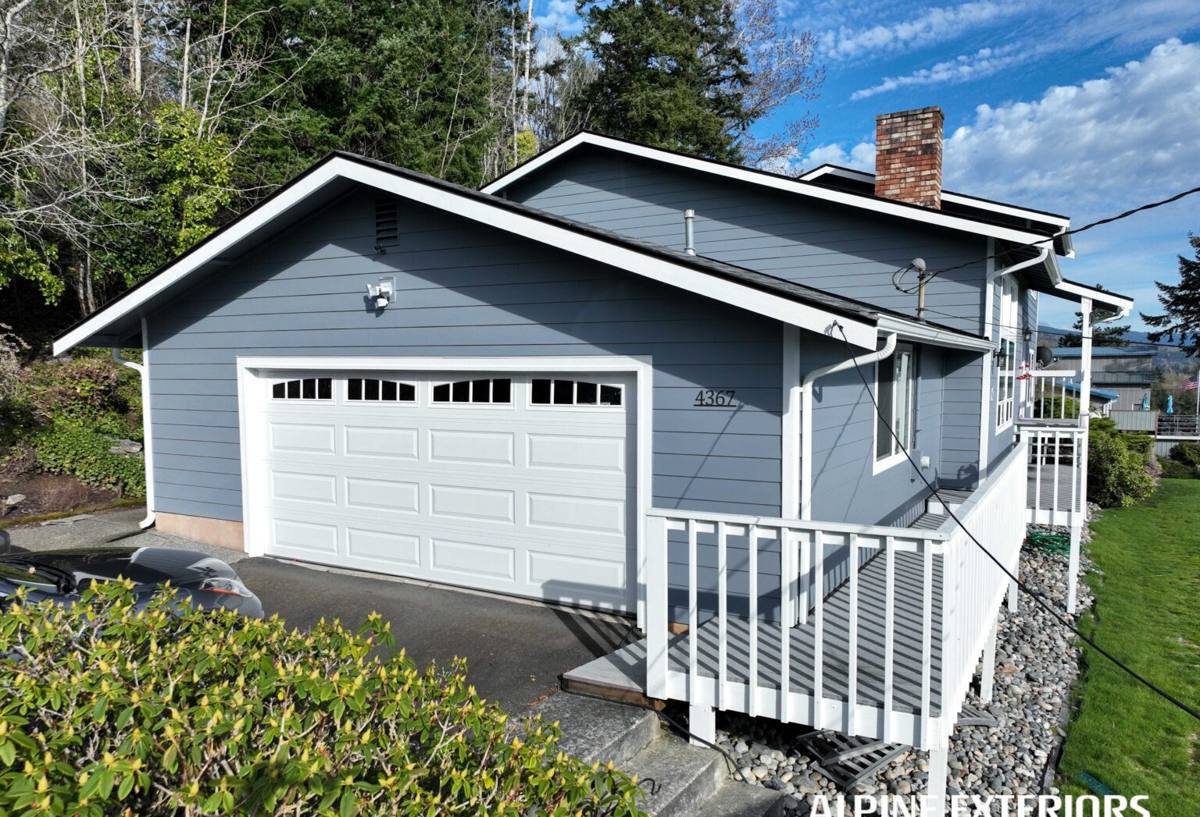
How to Tell Your Sehome Roof Has Reached the End of Its Life
Age and Material Lifespan
Standard three-tab asphalt shingles typically last 15-20 years in this climate, architectural (dimensional) shingles more like 20-30, and metal roofing 40-plus years with proper installation. Those numbers assume decent ventilation and reasonably prompt moss control — a shaded, poorly ventilated roof in Sehome can fall short of even the low end of those ranges. If you know or can estimate your roof's install date, that's often the first clue about whether you're looking at another round of repairs or a full replacement.
Visible Warning Signs
- Shingles that are cupping, curling at the edges, or losing significant granule coverage
- Bald or shiny patches where granules have washed away
- Moss or dark algae streaking across a large portion of the roof, not just isolated spots
- Cracked, lifted, or missing flashing around chimneys, vents, and valleys
- Sagging in the roofline, which can indicate deck or structural issues underneath
- Multiple recent repairs in different spots rather than one contained problem area
Signs Inside the House
Water stains on ceilings or upper walls, a musty smell in the attic, daylight visible through the roof deck, or insulation that's damp or matted down are all signs that water is already getting past the roofing surface. By the time you see interior staining, the leak has often been active for a while, so it's worth having the attic checked even if the ceiling looks fine.
What a Proper Roof Replacement Actually Involves
Tear-Off and Deck Inspection
A correct replacement starts with removing the old roofing down to the deck, not layering new shingles over old ones. That lets us actually see the plywood or OSB underneath, replace any sections that are soft, delaminated, or water-damaged, and confirm the deck is properly nailed and flat before anything new goes down. Skipping this step is one of the more common shortcuts in the trade, and it's the one most likely to cause problems within a few years.
Underlayment and Ice/Water Protection
Given how much rain this region gets, the underlayment layer matters as much as the shingles themselves. We use synthetic underlayment across the field of the roof and self-adhering ice-and-water membrane at vulnerable points — eaves, valleys, and around penetrations — where wind-driven rain is most likely to find a way in.
Flashing and Penetrations
Chimneys, skylights, plumbing vents, and roof-to-wall transitions are where most leaks actually originate, not the open field of shingles. Flashing needs to be new or in genuinely good condition, properly lapped, and sealed with materials rated for the job — not just caulked over.
Ventilation
Balanced intake and exhaust ventilation keeps the attic and roof deck at a more even temperature and moisture level, which reduces condensation, extends shingle life, and lowers the risk of moss and mold. On shaded lots like many in Sehome, ventilation is doing extra work to counteract the moisture that shade and rain leave behind, so it's not a step to shortcut.
Final Material Installation
Once the deck, underlayment, and flashing are right, the visible roofing material goes on according to the manufacturer's installation specifications — correct nail placement, exposure, and pattern. This is also what keeps the manufacturer's warranty valid; installed incorrectly, even a good product won't perform or be covered the way it's supposed to.
Choosing a Roofing Material for Bellingham's Climate
There's no single "best" roofing material — the right choice depends on your budget, how long you plan to stay in the home, and how much moss and moisture resistance you want to pay for up front versus manage over time.
| Material | Typical Lifespan | Moss/Moisture Resistance | Relative Cost |
|---|---|---|---|
| Three-tab asphalt shingle | 15-20 years | Lower unless algae-resistant granules are used | Lowest |
| Architectural (dimensional) shingle | 20-30 years | Good, especially with algae-resistant granules | Moderate |
| Standing seam metal | 40+ years | Excellent — sheds moisture, resists moss growth | Higher upfront |
| Cedar shake | 20-30 years with upkeep | Requires regular maintenance to resist moss and rot | Higher, plus ongoing care |
For most Sehome homes, architectural shingles with algae-resistant granules hit a practical middle ground: better moss resistance than basic three-tab, a manageable cost, and a track record that holds up in this climate. Metal is worth considering for homeowners planning to stay long-term or for roofs with heavy shade where moss control is a constant fight, since it gives moss far less to grip onto.
What Affects the Cost of Your Replacement
- Roof size and the number of planes, valleys, and penetrations
- Pitch and accessibility — steep or hard-to-reach roofs take more labor and safety setup
- Deck condition — hidden rot or soft sheathing adds material and labor once uncovered
- Material choice, from standard asphalt up through metal or cedar
- Ventilation upgrades if the existing setup is inadequate
- Layers of existing roofing that need to be torn off
We won't quote a number without seeing the roof, but we're happy to walk through these factors with you honestly during an estimate so there are no surprises once work starts.
Our Roof Replacement Process, Start to Finish
- On-site inspection and honest assessment of whether repair or replacement makes sense
- Written estimate covering materials, scope, and timeline
- Scheduling around Bellingham's weather windows to avoid working a torn-off roof into an incoming storm
- Tear-off, deck inspection, and repair of any damaged sheathing
- Installation of underlayment, ice-and-water protection, flashing, and ventilation components
- Installation of the finish roofing material to manufacturer specification
- Site cleanup, including a magnetic sweep for nails and debris
- Final walkthrough so you know exactly what was done
Moss, Debris, and Ventilation: Ongoing Care After Replacement
A new roof still needs some attention in a climate like this. Keeping gutters and valleys clear of leaves and needles prevents standing water from sitting against the shingles. A light moss treatment on a schedule appropriate to your amount of tree shade will keep growth from establishing before it becomes a maintenance problem. And if you ever have a tree trimmed back or notice new shade patterns developing over the roof, it's worth a quick look to make sure ventilation and drainage are still keeping up. None of this is heavy work, but a few minutes a couple of times a year goes a long way toward getting the full lifespan out of the material you paid for.
Why Hiring a Crew That Already Works in Sehome Matters
Permitting and Local Code
Roof replacements in the City of Bellingham typically require a permit, and code requirements around ventilation, ice-and-water protection at eaves, and materials can shift over time. A crew that pulls permits regularly in this jurisdiction knows the current requirements and handles that paperwork as a normal part of the job, not an afterthought.
Familiarity With Local Home Styles and Conditions
Sehome has a mix of older, established homes and newer construction, often on lots with mature trees and varying degrees of shade. A crew that has worked in the neighborhood has a feel for how these specific conditions — the tree cover, the moisture patterns, the mix of roof ages — tend to play out, which makes for a more accurate estimate and fewer surprises once the tear-off starts.
Being Around Afterward
A roof replacement is a long-term investment, and warranty claims or minor adjustments sometimes come up years later. Working with a Bellingham-based crew means the people who did the job are still local and reachable if you ever need them, rather than chasing down an out-of-town outfit that moved on to the next region.
If your Sehome roof is showing its age or you just want an honest opinion on whether repair or replacement makes more sense, we're glad to take a look. Fill out the form below for a free, no-pressure estimate — no hard sell, just a straight assessment of what your roof actually needs.