 Bellingham
 New Roof Installation, Built for the Puget Climate
A new roof is one of the few home improvements where the installation matters more than the material. Two homes can have the exact same shingle on the exact same day, and one will still be watertight in twenty years while the other is leaking behind the flashing in five. In Bellingham and the surrounding Puget area, the gap between a correct install and a mediocre one shows up faster than almost anywhere else, because the climate here doesn't forgive shortcuts. Salt-laden air off the water, long stretches of driving rain, and a moss season that can run most of the year all work on a roof at once. A new roof installation for a Puget home has to be built for that combination from the deck up, not just covered with a new layer of shingles and called done.
This page covers what a correct new roof installation looks like for homes in the Puget area specifically — what the local climate demands, how the job should be sequenced, what materials hold up and which ones create more maintenance than they're worth here, and why a crew that already works this part of Whatcom County catches problems that an out-of-town installer misses.
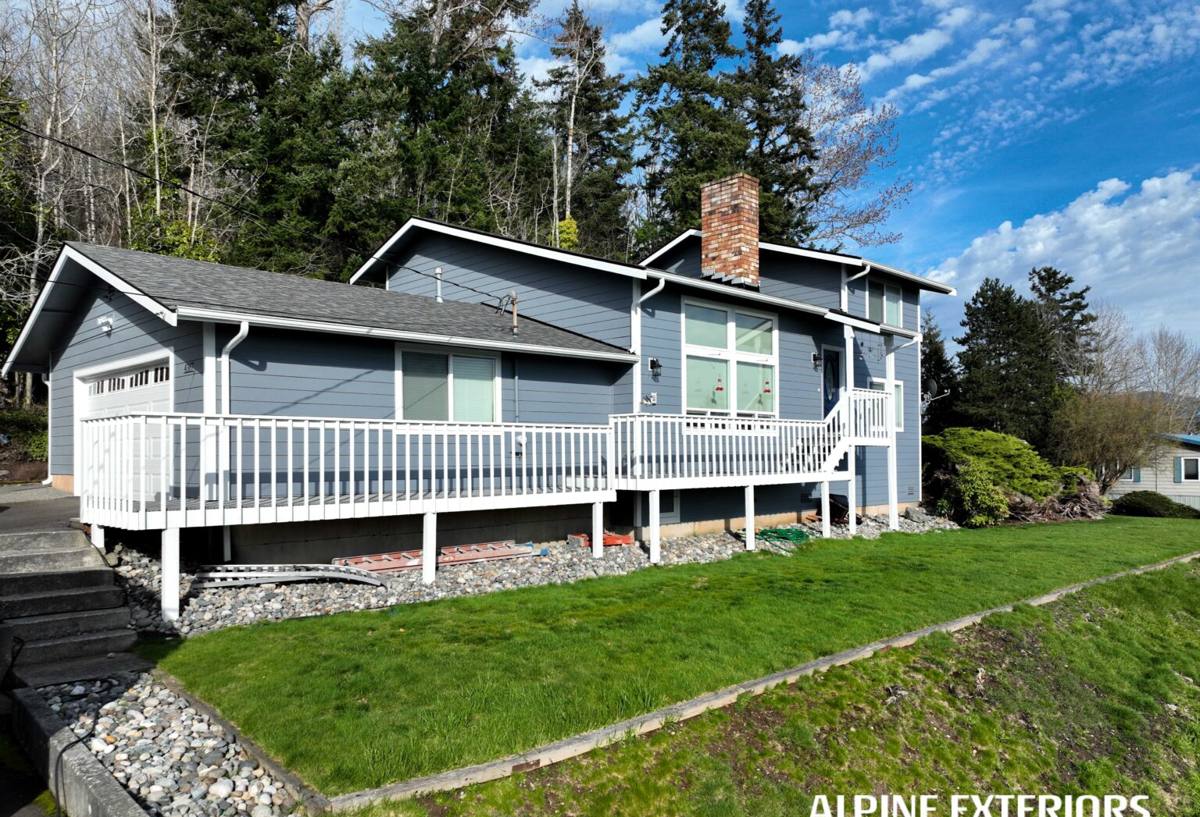
What Puget's Climate Actually Does to a Roof
Salt Air
Homes closer to the water deal with airborne salt that settles on every exposed surface, including the roof. Salt is corrosive to unprotected metal — flashing, fasteners, vent caps, and any exposed hardware. A roof installed with standard-grade fasteners or flashing in a salt-air zone will show rust and pitting years before an identical roof installed a few miles inland. This is one of the most common mistakes we see corrected on tear-offs: fasteners and flashing chosen for a generic climate, not for proximity to salt water.
Driving Rain
Bellingham doesn't just get rain, it gets rain pushed sideways by wind off the Sound for days at a time. That matters because a roof isn't only shedding water straight down — wind-driven rain gets forced up under shingle edges, into vertical laps, and through any gap around penetrations like vents, chimneys, and skylights. Underlayment, flashing detail, and shingle sealing all have to account for lateral water pressure, not just gravity. A roof that would perform fine in a drier, calmer climate can leak here simply because it wasn't built with wind-driven rain in mind.
Moss Season
Shade, moisture, and mild temperatures make Whatcom County ideal growing conditions for moss for a large part of the year. Moss isn't just a cosmetic issue — it holds moisture against the roofing material, lifts shingle edges as it grows, and works its way under laps and around fasteners over time. Roofs with poor airflow, heavy tree cover, or north-facing slopes are especially prone to it. A new roof installation should reduce moss's ability to take hold in the first place, through material choice, ventilation, and detailing, rather than leaving it to be power-washed off every couple of years.
Signs a Puget Home Needs a New Roof, Not Another Repair
Not every roof problem calls for full replacement, but in this climate, certain signs mean patching is just delaying a bigger job. Before we recommend a new roof installation, we look for these:
- Shingles that are curling, cupping, or losing their granules in patches rather than one isolated spot
- Soft or spongy spots on the roof deck when walked, which usually means water has already reached the sheathing
- Repeated moss growth returning within a year or two of cleaning, especially on north-facing or shaded slopes
- Daylight visible through the roof deck from inside the attic, or water staining on attic sheathing
- Flashing around chimneys, vents, or skylights that's rusted, lifted, or was caulked over instead of properly re-flashed
- A roof approaching or past the manufacturer's expected service life for its material and exposure
- Multiple previous repairs in different areas, suggesting the roofing system as a whole is failing rather than one localized issue
If a roof is showing one or two of these, a targeted repair may still make sense. If it's showing several, a repair is usually just spending money to postpone a replacement that's already necessary.
What a Correct New Roof Installation Involves
Full Tear-Off and Deck Inspection
We don't install new roofing over old material. A full tear-off is the only way to actually see the roof deck — the plywood or OSB sheathing underneath everything else — and confirm it's sound. In a wet climate, deck damage from long-term leaks isn't unusual, and any soft, delaminated, or rotted sections get cut out and replaced before anything new goes down. Installing over a compromised deck just hides the problem under a new roof.
Underlayment Built for Wind-Driven Rain
The underlayment is the roof's backup layer against water that gets past the shingles, and in a driving-rain climate it's doing real work, not just serving as a formality. We use synthetic or self-adhered underlayment at the eaves, valleys, and other vulnerable areas where wind-driven water is most likely to find a way in, rather than relying on minimum-code coverage everywhere.
Flashing Done Right, Not Caulked Over
Flashing — the metal detailing around chimneys, skylights, walls, and roof-to-wall transitions — is where most roof leaks actually originate, not in the open field of shingles. Correct flashing is woven into the roofing system in layers so water sheds over it, not sealed on top with caulk as a substitute for proper installation. In salt-air areas we also pay attention to what the flashing itself is made of, since standard steel flashing corrodes faster near the water.
Ventilation That Discourages Moss and Moisture
A roof needs balanced intake and exhaust ventilation to let heat and moisture escape from the attic. Poor ventilation traps moisture against the underside of the roof deck, which shortens the life of the roofing material and creates the damp, cool conditions moss favors. Correcting ventilation is often part of a new roof installation even when the homeowner didn't ask for it, because it directly affects how long the new roof will actually last.
Material Installed to Manufacturer Spec
Nail patterns, exposure, starter courses, and ridge detail all affect wind resistance and water shedding, and they're specific to each product. Installing to spec is also what keeps a manufacturer's warranty valid — a warranty means very little if the installation itself doesn't meet the terms it was written for.
Choosing the Right Roofing Material for a Puget Home
There's no single best roofing material for every home — the right choice depends on the home's exposure, roof slope, tree cover, and budget. Here's how the common options hold up under Puget conditions specifically:
| Material | Performance in Salt Air / Rain | Moss Resistance | Maintenance Burden |
|---|---|---|---|
| Architectural asphalt shingle | Good, with corrosion-resistant flashing and fasteners | Moderate — benefits from algae-resistant granules and good ventilation | Low to moderate |
| Standing seam metal | Very good when coated and fastened for coastal exposure | Good — smooth surface sheds moss more easily | Low |
| Cedar shake | Fair — needs treatment and upkeep near salt air | Poor without regular treatment; naturally moisture-absorbent | High |
| Synthetic composite shingle | Good, generally resistant to salt corrosion | Moderate to good depending on product | Low |
Cedar shake has a genuine visual appeal that some homeowners want, and we'll install it when that's the right call for a project. But it's worth being direct about the trade-off in this climate: cedar is a wood product sitting in near-constant moisture and shade for months at a time, and it requires ongoing treatment to resist moss and rot the way a composite or metal roof does without that upkeep. That's a maintenance decision, not a durability defect in the product — homeowners who want the cedar look just need to go in knowing what it asks for.
Our New Roof Installation Process
- On-site evaluation. We inspect the existing roof, attic ventilation, and any trouble spots — chimneys, valleys, skylights, shaded slopes — before recommending a scope of work.
- Written estimate. Material options, flashing and ventilation upgrades, and total cost are laid out clearly, with no vague allowances that turn into surprise add-ons later.
- Scheduling around the weather. Roofing in a wet climate means watching the forecast closely and staging the tear-off so the deck isn't left exposed overnight. We don't open up more roof than we can close in the same work day.
- Tear-off and deck repair. Old roofing comes off completely, the deck is inspected, and any damaged sheathing is replaced before underlayment goes down.
- Underlayment, flashing, and ventilation installation. These get done to spec before the finish material goes on, since they're the parts of the roof doing the real waterproofing work.
- Finish material installation. Shingles, metal panels, or shakes are installed per manufacturer spec to keep the warranty intact.
- Final walkthrough and cleanup. We walk the finished roof, check the details, and make sure the property — gutters, landscaping, driveway — is cleared of debris and nails before we consider the job done.
What Drives the Cost of a New Roof Installation
Every roof is different, so we won't quote a price without seeing the job, but these are the main factors that move the number up or down:
| Factor | Why It Matters |
|---|---|
| Roof size and number of facets | More square footage and more valleys, hips, and ridges mean more material and labor time |
| Roof pitch and access | Steep or hard-to-access roofs take longer and require more safety setup |
| Deck condition | Rot or delamination found during tear-off means sheathing replacement before the new roof can go on |
| Material choice | Asphalt, metal, cedar, and composite products carry different material and installation costs |
| Flashing and ventilation scope | Upgrading corroded flashing or correcting poor ventilation adds cost but reduces future problems |
| Number of penetrations | Chimneys, skylights, and vents each require careful flashing detail, which adds labor |
Homeowners are sometimes surprised that two roofs of similar size can come in at noticeably different prices — the difference is almost always deck condition, pitch, or how much flashing and ventilation work is actually needed, not just the shingle itself.
Why a Local Crew Matters for This Job
A new roof installation isn't a product you order and have dropped on the house — it's a judgment call made dozens of times over the course of the job, and local experience shapes those calls. A crew that regularly works roofs in the Puget area already knows which slopes hold moss the longest through a Whatcom County winter, which flashing details tend to fail first under sideways rain, and where salt exposure is enough to justify upgraded hardware even a few blocks inland. That's the kind of judgment that isn't on a spec sheet — it comes from having done the work here, on homes with the same weather this one gets.
It also matters for accountability. A roof is a long-term investment, and if a question or issue comes up two or five years after installation, it helps to be working with a crew that's still local, still reachable, and still standing behind work done in this same community.
Caring for a New Roof in a Wet, Mossy Climate
A correct installation gives a roof its best chance, but a little ongoing attention keeps it performing the way it should for its full service life. Keep gutters clear so water isn't backing up under the roof edge. Trim back overhanging branches where practical, since shade and falling debris both encourage moss. Have the roof looked at after major windstorms, since that's when flashing and shingle edges are most likely to get disturbed. And if moss does start to return on a slope, treat it early rather than letting it establish — it's far easier to manage moss growth than to reverse the damage it causes once it's taken hold.
If you're weighing a repair against a full replacement, or you just want an honest read on where your roof actually stands, we're happy to take a look. Reach out for a free, no-pressure estimate using the form below — we'll tell you what we see, plainly, whether that means a new roof now or a few more years out of the one you've got.