 Bellingham
 Metal Roofing in Fairhaven: A Different Climate Test
Fairhaven sits on the hillside above Bellingham Bay, and that position puts its roofs through more than the average Whatcom County home. The same salt-tinged air that gives the neighborhood its waterfront character also works steadily on exposed metal, fasteners, and finishes. Rain here rarely falls straight down — wind off the water pushes it sideways into valleys, flashing laps, and roof-to-wall transitions. And the mild, damp stretch that passes for a Bellingham winter, plus much of spring and fall, gives moss a long runway on any roof surface that stays shaded or slow to dry. Metal roofing can handle all three of those conditions better than most materials, but only when the panel system, fasteners, and underlayment are chosen and installed with this specific climate in mind, not just to a generic manufacturer spec. Bellingham Roofing works Fairhaven regularly, and this page covers what a metal roof in this neighborhood actually needs to hold up, what a correct installation involves, and how we approach the job.
What Bellingham Bay Air Does to a Roof Over Time
Salt Air and Corrosion
Homes close to the water pick up a steady, low-level dose of moisture-laden, mildly corrosive air almost year-round, not just during storms. On a roof, that exposure targets the weak points first: exposed fastener heads, cut panel edges, and any spot where a protective coating has been scratched or worn thin during installation. It rarely causes a dramatic failure. It shows up slowly, usually as rust bleed streaking down a seam or a fastener that's lost its grip years before it should have.
Wind-Driven Rain
Fairhaven's exposure to open water means storms often arrive with real wind behind them, and that pushes rain sideways into places a roof built for a calmer climate was never tested against — under ridge caps, into valleys, and around chimney and vent penetrations. A roof that would hold up fine on a more sheltered, inland lot can still take on water here specifically because of how wind and rain interact with the coastline.
A Long Moss Season
Mild temperatures and consistent dampness give moss and algae an extended growing season across Whatcom County, and Fairhaven's mature tree canopy adds shade that keeps roof surfaces from drying out between rain events. Moss holds moisture against a roofing material and, on porous surfaces, can work into seams and lift edges over time.
Why Metal Roofing Fits This Climate — And What Has to Go Right
Metal's biggest advantage in a climate like this is its surface. Moss and algae need something to root into, and a smooth, painted metal panel gives them far less to hold onto than an asphalt shingle's granulated surface. Metal also sheds wind-driven rain more effectively than most materials when the panel system and flashing are matched correctly, and a quality steel or aluminum roof can outlast two or three shingle roofs over the life of a house. None of that happens automatically just because the roofing material is metal. What actually determines whether a metal roof performs here for forty-plus years or develops problems in year eight is underneath the panels and at the connection points, not the panel material by itself.
Fasteners and Panel Edges
Near the water, standard coated fasteners corrode faster than their rated lifespan would suggest, and a rusting screw head or clip is one of the more common sources of an eventual leak on an otherwise sound metal roof. We use stainless steel fasteners and hardware rated for coastal exposure, and we pay close attention to cut edges and panel penetrations, which are the spots where a factory coating's protection stops.
Underlayment Built for Sustained Moisture
A metal roof is only as dry as what's underneath it. We use synthetic underlayment rated for extended moisture exposure across the full roof, and self-adhered ice-and-water membrane at eaves, valleys, and penetrations — the spots where wind-driven rain concentrates and where a minimum-spec underlayment is most likely to fail over time.
Ventilation and Condensation Control
Metal doesn't absorb moisture, but temperature swings between a cold metal surface and warm, humid attic air can cause condensation on the underside of the panels if the roof deck isn't ventilated correctly. We check attic and roof ventilation as part of every metal roof job, not as an afterthought, since trapped moisture under a metal roof causes the same rot and mold problems it would under any other material.
Choosing a Panel System for a Fairhaven Home
There's more than one way to install a metal roof, and the right choice depends on your roof's pitch, your budget, and how much you value a fully concealed fastener system versus a lower upfront cost. We'll walk through the real trade-offs for your specific roof rather than defaulting to one product.
| Panel System | Fastener Exposure | Best Fit | Typical Lifespan Here |
|---|---|---|---|
| Standing seam steel | Concealed — fasteners are hidden under the seam | Most Fairhaven roofs, especially anything with real slope and water exposure | 40-60 years |
| Standing seam aluminum | Concealed | Homes closest to the bay where salt exposure is highest and steel corrosion risk is elevated | 45-60+ years |
| Exposed-fastener steel (ribbed/corrugated) | Exposed — screws penetrate the panel face | Budget-conscious projects, outbuildings, lower-slope sections | 25-40 years, largely dependent on fastener maintenance |
Standing seam is our default recommendation for most Fairhaven homes because the concealed fastener system removes the single most common weak point in a coastal metal roof. Aluminum costs more than steel but doesn't rely on a coating to resist rust the way steel does, which matters more the closer a home sits to the water. Exposed-fastener panels can still be the right call on a budget or on a secondary structure, but they need the screws and washers inspected periodically, since that's where a coastal climate finds a way in first.
Fitting the Roof to Fairhaven's Housing Stock
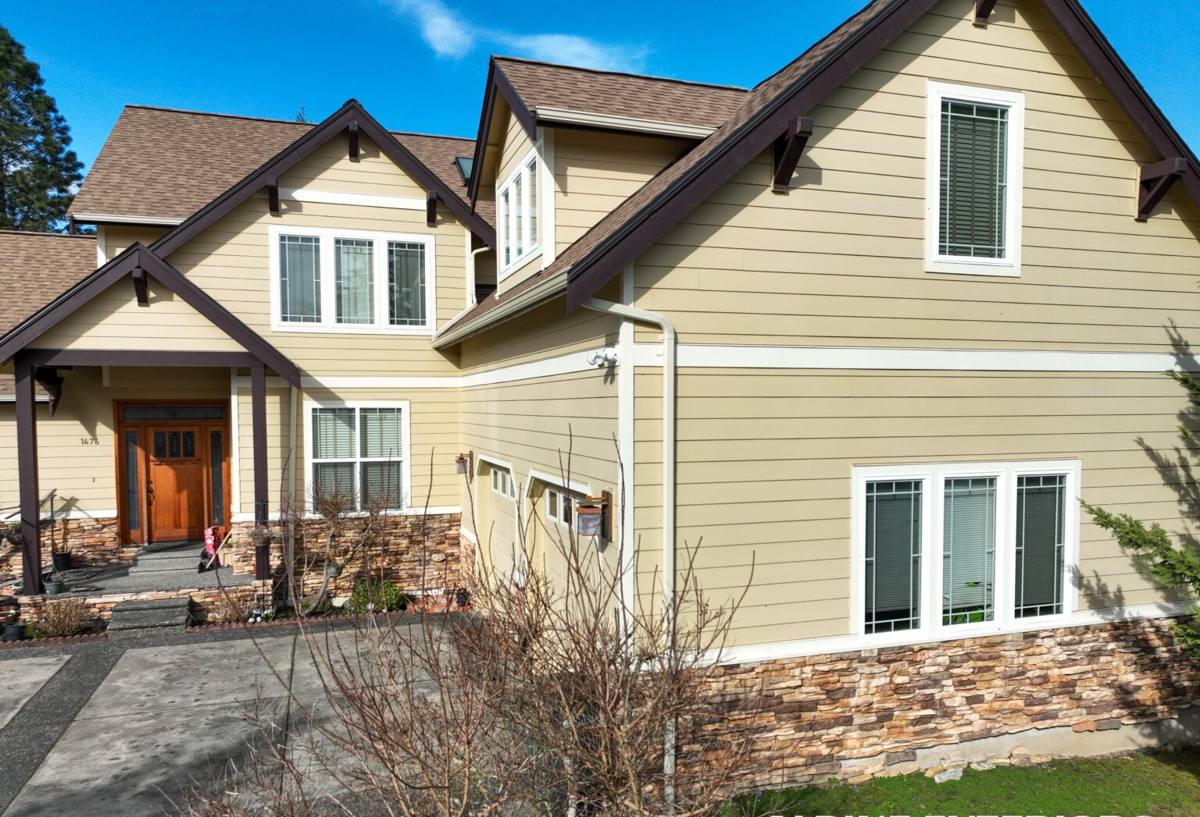
Fairhaven's homes range from older houses built into the hillside to newer construction closer to the water, and that mix means no two metal roof jobs in the neighborhood look quite the same. Older homes often have more roof-to-wall transitions, dormers, and valleys than a simple gable roof, and each one of those intersections is a place where flashing detail matters more than panel choice. Steeper roofs common on hillside lots shed water and debris faster, which helps with moss, but they also demand more careful staging and fall protection during installation. Lower-slope sections, additions, and porch roofs need underlayment and seam spacing chosen for slower water shedding, since a panel system that performs well at a steep pitch can behave differently once the slope drops.
We look at the whole roof, not just the main plane, before recommending a panel profile. A standing seam that suits the primary roof isn't always the right match for a shallow-pitch addition on the same house, and treating them identically is a common source of the problems we see on inspections.
Our Installation Process
A metal roof is a long-term investment, and most of what determines whether it lives up to that depends on steps that aren't visible once the job is finished.
- Inspection and roof deck evaluation: We check the existing deck, framing, and any signs of prior moisture damage before quoting the job, since Fairhaven's older housing stock sometimes has hidden issues under existing roofing.
- Tear-off or deck prep: Old roofing is removed and the deck is repaired as needed so the new system attaches to a sound surface.
- Underlayment and ice-and-water membrane: Moisture-rated synthetic underlayment goes down across the roof, with self-adhered membrane at eaves, valleys, and penetrations.
- Flashing and trim: Valleys, chimneys, vent penetrations, and roof-to-wall transitions get flashed and lapped correctly before panels go on.
- Panel installation: Panels go on with corrosion-rated fasteners and hardware appropriate to the chosen system, with attention to seam alignment and proper overlap.
- Ventilation check: We confirm attic and roof ventilation is adequate for a metal roof assembly before calling the job finished.
- Final walkthrough and cleanup: We walk the finished roof with you, answer questions, and clear the site of debris and stray fasteners.
Cost Factors for a Fairhaven Metal Roof
| Factor | What It Affects | Why It Matters in Fairhaven |
|---|---|---|
| Panel system and material | Material and labor cost per square | Aluminum and standing seam cost more upfront than exposed-fastener steel but reduce long-term maintenance near the bay |
| Roof complexity | Labor time and flashing detail | Older Fairhaven homes with dormers, valleys, and multiple roof planes take more time to flash correctly |
| Tear-off vs. install over existing roof | Labor scope and deck access | Tear-off reveals hidden deck or moisture damage that's common under older roofing this close to the water |
| Slope and site access | Staging, safety equipment, labor time | Hillside lots common in Fairhaven can require additional staging and fall protection setup |
| Fastener and hardware grade | Material cost and long-term maintenance | Coastal-rated stainless fasteners cost more than standard hardware but hold up far longer in salt air |
Real numbers depend on the specific roof. As a broad range, most Fairhaven metal roof projects land somewhere between the low teens and mid-twenties per square foot installed, with panel system, roof complexity, and tear-off scope moving that number meaningfully in either direction. We give firm numbers after walking the roof in person, not off a phone call or a satellite measurement alone.
Maintenance Checklist for a Coastal Metal Roof
Metal roofs need less maintenance than most materials, but low-maintenance isn't no-maintenance, especially this close to the water. A short annual check covers most of it:
- Clear debris and needles from valleys and low-slope sections where moss and organic buildup collect
- Check gutters and downspouts for clogs that can back water up under eave flashing
- Look for rust streaking at fastener heads, seams, or cut edges — an early sign of coating wear
- Confirm exposed-fastener screws and washers are still snug and the washers haven't cracked or degraded
- Trim back overhanging branches that keep sections of the roof shaded and slow to dry
- Check flashing at chimneys, vents, and skylights for lifted edges or failed sealant
- After a significant windstorm, do a visual check for lifted panels or damaged trim
Why a Crew That Already Works Fairhaven Matters
A crew that's worked this stretch of the Bellingham waterfront knows which roof orientations stay wet longest, which valley details tend to leak first on older homes, and how much wind a given hillside lot actually sees compared to a more sheltered street a few blocks inland. That knowledge shapes real decisions on install day — where to add extra flashing attention, which fastener grade is worth the upgrade, and which roof sections need a closer look before the panels go on. It also means a faster response if a windstorm off the bay damages a roof, since we're not routing a crew in from somewhere unfamiliar with the neighborhood. Bellingham Roofing works Fairhaven and the surrounding Whatcom County waterfront regularly, and we bring what we've learned from those roofs to every new estimate.
If you're considering a metal roof for your Fairhaven home, or want a second opinion on a roof that's already showing its age, we're happy to take a look. Reach out using the form below for a free, no-pressure estimate.