 Bellingham
 Why Decks in Lynden Wear Out Faster Than Homeowners Expect
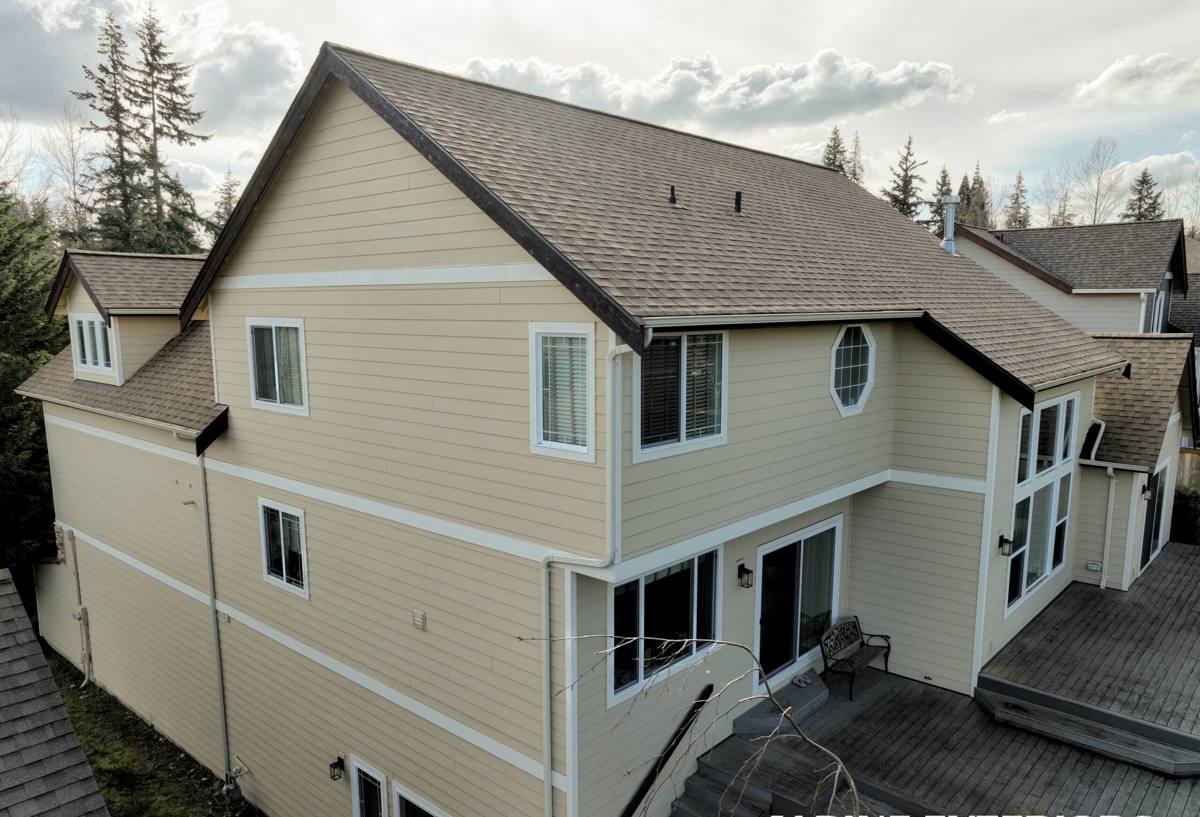
Lynden sits in one of the wettest corners of Washington State, and that shows up in decks before it shows up almost anywhere else on a house. Whatcom County gets a long, steady rainy season, and even well inland from the coast, the moisture-laden air that moves through the Salish Sea region keeps everything from fence posts to deck boards damp for days at a stretch. Add a shaded yard or a north-facing deck and you get moss creeping across the boards for a good chunk of the year — not just an eyesore, but a surface that stays wet longer and gets slick underfoot.
A deck built without that climate in mind — undersized footings, no flashing where it meets the house, decking laid tight with no drainage path — will show problems in five to eight years instead of lasting the fifteen to twenty-five it should. We've replaced enough decks around Lynden and the rest of Whatcom County to know the failure pattern is almost always the same: water gets trapped somewhere it shouldn't, and everything downstream of that spot rots first.
Signs a Deck Needs Replacement, Not Another Repair
Not every tired deck needs to come out. But there's a point where patching boards is just delaying a bigger job and spending money that won't carry forward. Here's how we tell the difference on a site visit:
- Soft or spongy framing — if a screwdriver sinks into a joist or beam without much resistance, the structure is compromised, not just the surface.
- Rot at the ledger board — where the deck attaches to the house is the single most common failure point in this climate. If that connection is soft, the whole deck is a safety issue.
- Persistent moss and algae you can't keep ahead of — this usually means the boards or the substructure underneath are staying wet too long, which points to a drainage or spacing problem, not just a cleaning problem.
- Footings that have shifted or heaved — common where footings were poured too shallow or without proper drainage beneath them.
- Railings that flex or posts that wiggle — often a sign the post-to-frame connection has been compromised by moisture over time.
If it's one board or a section of railing, repair makes sense. If it's the framing, the ledger connection, or the footings, replacement is the honest recommendation — and we'll tell you which one it is before any work starts.
What a Correct Deck Replacement Actually Involves
A deck replacement done right is a structural project, not a cosmetic one. The decking boards are the part everyone sees, but the parts that determine whether the deck lasts are underneath and behind them.
Ledger and Flashing
This is where most deck failures start in wet climates like ours. The ledger board bolts to the house framing, and if it isn't properly flashed to shed water away from the house sheathing, moisture works its way in behind the siding — and by the time it's visible, there's often hidden rot in the wall framing too. Correct flashing detail here is non-negotiable on every replacement we do.
Footings and Framing
Footings need to be sized and set to Whatcom County's frost depth and soil conditions, not just poured to whatever the old ones happened to be. We check post spacing, beam sizing, and joist spacing against current code span tables rather than assuming the old numbers still apply — decks built years ago were often undersized by today's standards.
Drainage and Spacing
Board spacing, joist tape, and ventilation underneath the deck all affect how fast water sheds and how long the structure stays damp after a storm. Given how many wet days Whatcom County sees in a typical year, getting this detail right is the difference between a deck that dries out between rains and one that never quite does.
Choosing the Right Decking Material for This Climate
Every decking material handles Lynden's rain-and-moss cycle differently, and the right choice depends on your budget, how much upkeep you want to do, and how long you plan to stay in the house.
| Material | How it handles our climate | Maintenance | Typical lifespan |
|---|---|---|---|
| Pressure-treated wood | Affordable, but needs consistent sealing to resist the moss and moisture cycle | Annual cleaning, resealing every 1-2 years | 10-15 years with upkeep |
| Cedar | Naturally rot-resistant and handles moisture well, but color fades without maintenance | Cleaning and staining every 1-3 years | 15-20 years with upkeep |
| Composite decking | Resists moisture absorption and won't rot, though it still needs cleaning to stay ahead of moss and algae film | Periodic washing, no sealing or staining | 25-30 years |
| PVC decking | Fully synthetic, sheds water and resists mold/moss growth better than any other option | Occasional washing | 25+ years |
We don't push one product on every job. If a customer wants the look and feel of real wood and is willing to keep up with sealing, cedar or treated lumber is a legitimate choice. If low maintenance matters more, composite or PVC earns its higher upfront cost back in avoided upkeep. Where we do push back is on framing shortcuts underneath any of these materials — the decking surface only lasts as long as what's holding it up.
Permits and Local Considerations Around Lynden
Deck replacement projects in and around Lynden typically require a permit through the applicable jurisdiction, especially when footings, framing, or the ledger connection are being replaced rather than just the surface boards. Requirements can vary depending on whether the property is inside city limits or in unincorporated Whatcom County, and on deck height, size, and proximity to property lines. We handle the permit process as part of the job so it's pulled correctly and inspections happen at the right stages — not something you have to chase down yourself.
How Our Deck Replacement Process Works
We keep the process straightforward and give you a clear picture before any old decking comes off:
- On-site assessment — we check the framing, footings, and ledger connection, not just the visible boards, and tell you honestly whether replacement or repair is the right call.
- Written estimate — clear scope of work and material options, so you know what you're paying for before we start.
- Permitting — pulled and coordinated on your behalf where required.
- Demolition and structural inspection — removing the old deck often reveals hidden rot behind siding or at posts; we flag anything we find before covering it back up.
- Framing and flashing — footings, beams, joists, and ledger flashing built to current code and to this climate, not just to what was there before.
- Decking and railing install — installed with proper spacing and fastening for drainage and long-term stability.
- Final walkthrough — we go over the finished deck and what maintenance it needs, if any.
Maintenance That Actually Matters After Replacement
Even a well-built deck needs some seasonal attention in Whatcom County's climate. A few habits go a long way toward getting the full lifespan out of the investment:
- Sweep debris off the boards regularly — wet leaves and needles trap moisture and speed up moss growth.
- Clean the deck surface at least once a year, more often on shaded sides that stay damp longer.
- Check that gaps between boards stay clear so water can drain rather than pool.
- Inspect the ledger flashing and any spots where the deck meets the house once a year for signs of moisture staining.
- Reseal wood decking on the schedule appropriate for the product — don't wait until it's visibly gray or dry.
Why Hiring a Crew That Already Works in Lynden Matters
A deck built for a dry climate and a deck built for Whatcom County are not the same project, even if they look identical from the street. Framing sizing, flashing detail, footing depth, and even board spacing decisions all shift when you're accounting for the amount of rain and moss pressure this region sees year-round. A crew that works Lynden regularly has already seen how decks fail here — where the ledger rots first, which shaded yards need extra drainage attention, what board spacing actually keeps up with moss — and builds accordingly from the start instead of learning it on your project.
We're a local crew, and we stand behind the work with a clear scope, honest material recommendations, and framing built to hold up to this climate, not a generic spec sheet.
If your deck is showing soft spots, persistent moss, or you're just not sure whether it needs repair or full replacement, we'll come take a look and give you a straight answer. Reach out for a free, no-pressure estimate using the form below.