 Bellingham
 Why Window Installation in Happy Valley Takes Local Know-How
Happy Valley is one of Bellingham's older, established neighborhoods, which means its housing stock is a mix — original wood-sash windows from decades past sitting next to newer vinyl replacements from the last remodel wave, sometimes on the same street. Windows here don't fail for generic reasons. They fail because of what Whatcom County's marine climate does to a window assembly year after year: constant moisture, salt-laden air off the bay, and long stretches where the wood and trim around a window never fully dry out. Installing a window correctly in this setting isn't just about the unit itself — it's about how that unit is flashed, sealed, and tied into a wall system that's going to keep taking on weather for the next twenty-plus years.
A window installer who only works inland or in a drier climate can put in a technically fine window and still set a home up for water intrusion within a few seasons, because the details that matter here — flashing laps, sill pan drainage, sealant selection — are exactly the details that get skipped when they don't seem to matter somewhere else.
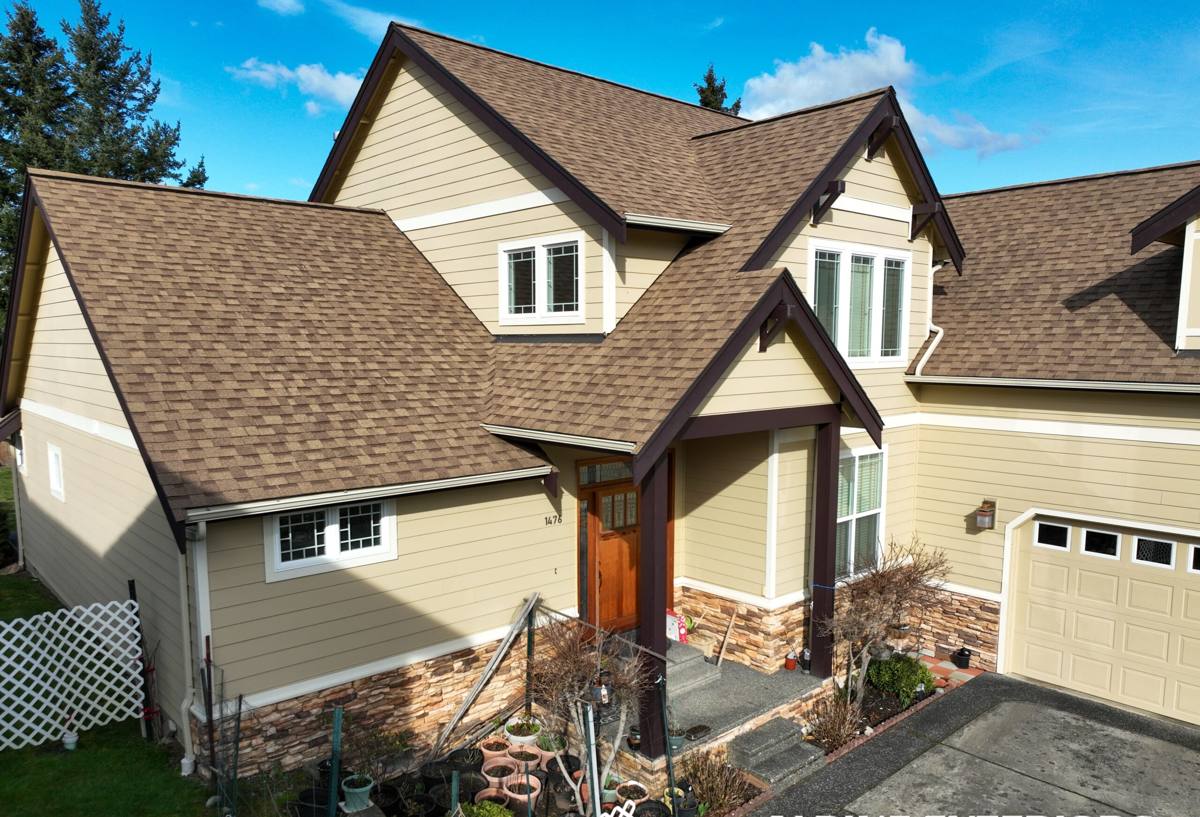
What Bellingham's Climate Does to Windows Over Time
Salt Air and Metal Fatigue
Proximity to Bellingham Bay means a steady low-level exposure to salt in the air, even away from the immediate waterfront. Salt accelerates corrosion on window hardware — hinges, cranks, balance mechanisms, and especially lower-grade aluminum components. Over years, this shows up as stiff or seized hardware, pitting on metal trim, and finishes that fail faster than the manufacturer's warranty would suggest.
Driving Rain and Wind-Driven Water
Rain here rarely just falls straight down. Storms moving through the Salish Sea corridor push rain sideways against west- and south-facing walls, which is exactly where water finds any gap in flashing or sealant. A window that would stay dry in a calmer climate can leak in Bellingham simply because the installation didn't account for wind-driven water pressure at the sill and jambs.
A Moss Season That Barely Lets Up
Bellingham's moss season is long — mild temperatures and near-constant dampness give moss and algae months to establish on any shaded, moisture-holding surface. Wood window trim, sills, and casings that stay damp are prime real estate. Once moss and mildew take hold around a window opening, they hold moisture against the wood and accelerate rot from the outside in, often before it's visible from inside the house.
Signs It's Time to Replace, Not Repair
Not every window problem calls for full replacement, but in this climate, certain symptoms usually mean the window and its opening have been compromised long enough that patching won't hold.
- Soft, spongy, or visibly rotted wood at the sill or lower corners of the frame
- Persistent fogging or moisture between double-pane glass (a failed seal)
- Windows that are difficult to open, close, or lock — often a sign of frame movement or swelling
- Visible daylight, drafts, or whistling around the frame during windy weather
- Paint or finish that keeps bubbling or peeling no matter how often it's touched up
- Moss, black staining, or persistent mildew on the exterior trim or sill
- A noticeable jump in heating costs with no other explanation
What a Correct Window Installation Actually Involves
Flashing and Water Management Come First
Before a new window ever goes in, the opening needs a sill pan and properly lapped flashing so that any water that gets past the window — and some always will, eventually — has a way to drain back out instead of soaking into the wall framing. This step gets skipped more than any other on rushed jobs, and it's the single biggest predictor of whether a window installation holds up to Bellingham weather or causes hidden rot within a few years.
Air Sealing Is Half the Job
A window that's watertight but not properly air-sealed still lets in drafts and moist air that can condense inside the wall cavity. Correct installation means sealing the interior air barrier separately from the exterior water barrier — they do different jobs and need different materials. Foam, backer rod, and sealant each have a place, and using the wrong one in the wrong spot can trap moisture instead of keeping it out.
Shimming, Squaring, and Fastening
A window has to be shimmed level, plumb, and square in the opening before it's fastened — otherwise it won't operate smoothly and the seals around the sash will wear unevenly. Fasteners need to hit solid framing at the manufacturer's specified spacing, not just wherever is convenient. Skipping this is invisible on install day and shows up two or three years later as a window that sticks, leaks, or won't latch.
Choosing Window Materials That Hold Up Locally
There's no single "best" window material — the right choice depends on the home's age, style, and how much upkeep the homeowner wants to take on. Here's how the common options compare for a marine, high-moisture climate like Bellingham's.
| Material | Moisture Resistance | Maintenance | Typical Lifespan |
|---|---|---|---|
| Vinyl | Very good — won't rot, low corrosion risk | Low; occasional cleaning | 20-30 years |
| Fiberglass | Excellent — very stable, resists warping | Low | 30-40 years |
| Wood (unclad) | Poor without diligent upkeep | High — regular painting/sealing | 15-25 years, shorter if neglected |
| Aluminum-clad wood | Good exterior protection, wood interior warmth | Moderate | 25-35 years |
For fully exposed, weather-facing walls in Happy Valley, we generally steer homeowners toward vinyl, fiberglass, or clad options rather than bare wood exteriors — not because wood is a bad material, but because an unprotected wood exterior demands a maintenance schedule most homeowners don't want to keep up with in a climate this wet. That's a maintenance trade-off, not a knock on wood as a product.
What Affects the Cost of a Window Installation
Every home is different, so we don't quote prices sight unseen, but these are the main factors that move the number up or down.
| Factor | Why It Matters |
|---|---|
| Window count and size | More openings and larger units mean more material and labor |
| Material and glass package | Fiberglass and upgraded low-E or triple-pane glass cost more than standard vinyl |
| Condition of the existing opening | Rotted framing or old flashing failures add repair work before the new window goes in |
| Retrofit vs. full-frame replacement | Full-frame replacement costs more but is often necessary when flashing or framing is compromised |
| Access and story height | Second-story or hard-to-access windows take more time and equipment |
Our Window Installation Process
- On-site assessment of each window opening, including a check for hidden rot or past water damage
- Honest recommendation on repair vs. full replacement, with material options suited to the home and its exposure
- Careful removal of the old window and inspection of the framing underneath
- Repair of any damaged framing before the new window goes in — no installing over a compromised opening
- Sill pan and flashing installed to direct water out, not into the wall
- New window set level, plumb, and square, then fastened to manufacturer specifications
- Interior air sealing and exterior weatherproofing completed as separate, correct steps
- Final walkthrough so you can see and operate every window before we consider the job done
Permits and Codes in Whatcom County
Window replacement in Bellingham and unincorporated Whatcom County can require a permit depending on the scope of work, especially if framing is being altered or if bedroom windows need to meet current egress sizing for safety. Energy code requirements also affect what glass performance is acceptable in a replacement window. We handle the permitting conversation as part of the job rather than leaving it for the homeowner to figure out, so there are no surprises with inspections later.
Why a Crew That Already Works Happy Valley Matters
A window installation is only as good as its weakest detail, and in a climate that delivers salt air, driving rain, and months of dampness every year, those details are unforgiving. A crew that regularly works in Bellingham neighborhoods like Happy Valley has already seen how local homes age, which materials hold up and which don't, and where the common failure points are on older wall assemblies typical of this area. That's not something you can substitute with a generic installation checklist — it's the difference between a window that's watertight on day one and one that stays watertight for the next twenty years.
If you're weighing a repair against a full replacement, or just want a straight answer on what your windows actually need, we're glad to come take a look. Fill out the form below for a free, no-pressure estimate on your Happy Valley home.