 Bellingham
 Siding in Barkley Has a Tougher Job Than Most Homeowners Realize
Barkley sits close enough to the water and the surrounding tree cover that its homes take on a specific combination of punishment: salt-tinged air moving in off the Puget Sound region, long stretches of driving rain through fall and winter, and shaded, damp conditions that keep moss and algae established on north- and east-facing walls for much of the year. None of that is unusual for Bellingham or the rest of Whatcom County, but it does mean siding here has to do more than look good on installation day. It has to shed water correctly, resist moisture absorption at the seams, and hold its finish through repeated wet-dry cycles for decades, not years.
This page is specifically about fiber cement siding for Barkley homes — what the climate demands of it, what a correct installation looks like, and how our process is built around the conditions your house actually faces. It is not a generic siding overview; it is what we tell Barkley homeowners when they call us about a tired, moss-streaked, or water-damaged exterior.
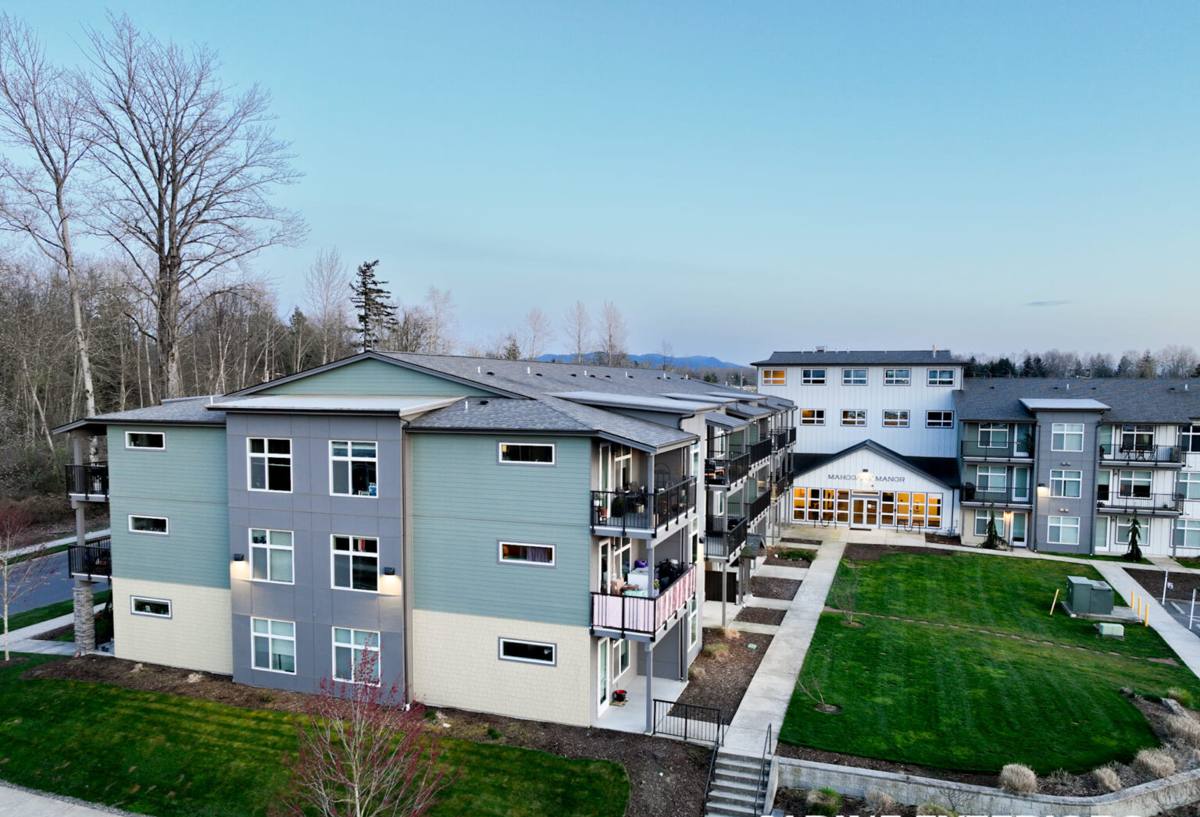
What the Local Climate Does to Siding Over Time
Salt Air and Coastal Moisture
Bellingham's proximity to saltwater means airborne salt is a real factor for exterior materials, even for homes that aren't waterfront. Salt-laden moisture accelerates corrosion of exposed metal fasteners and trim, and it interacts with porous or absorptive siding materials in ways that speed up finish breakdown. Siding and fastening hardware need to be selected with that in mind, not treated as an afterthought.
Driving Rain and Wind-Driven Moisture
Whatcom County storms don't just drop rain — wind pushes it sideways into wall assemblies, especially on exposed elevations. Any siding system with weak seams, undersized overlaps, or a compromised weather-resistive barrier behind it will eventually let that moisture find a way in. The damage usually isn't visible on the surface for years; it shows up first as soft trim, staining at butt joints, or swelling behind the cladding.
The Long Moss Season
Tree cover and shade around many Barkley lots mean north and east walls stay damp far longer than south-facing ones. Moss and algae take hold on any surface that retains surface moisture, and once established, they hold even more water against the siding. Over a long moss season, that constant dampness is one of the biggest drivers of premature siding failure in this area.
Why We Install Only James Hardie Fiber Cement
We made a decision as a company to install James Hardie fiber cement siding exclusively — not vinyl, not LP SmartSide, not primed wood, not other fiber cement brands. That's not a marketing position; it's a standard we hold because of what we've seen these products do (and not do) in exactly the conditions Barkley homes face.
Fiber cement is non-combustible, which matters increasingly for insurance and wildfire-adjacent building codes across Washington. It doesn't absorb water the way wood-based products do, so it doesn't swell, rot, or delaminate at the edges the way some engineered wood siding can when a seam or cut edge is exposed to sustained moisture. Hardie's ColorPlus finish is baked on at the factory rather than field-applied, which gives it better UV and moisture resistance than a job-site paint job, and it carries a real, transferable finish warranty. Hardie also engineers specific product formulations for different climate zones — a detail that matters in a region that gets as much sustained moisture as ours does.
None of this means other products are junk. Vinyl is inexpensive and low-maintenance in mild climates; LP SmartSide performs reasonably well when detailed and maintained correctly. Our position is narrower than "everything else is bad" — it's that for the combination of salt air, wind-driven rain, and heavy moss exposure typical of Barkley, we don't want to put our name behind a product that requires perfect long-term maintenance discipline from the homeowner to avoid moisture problems. Fiber cement gives us a wider margin for error over 30-plus years.
What a Correct Installation Actually Involves
Fiber cement siding is only as good as the installation behind it. A huge share of the "siding problems" we get called out to look at in Barkley aren't product failures — they're installation shortcuts. Getting it right means:
- A continuous, correctly lapped weather-resistive barrier installed before any siding goes up, with proper flashing at every window, door, and penetration
- Rain-screen or drainage-gap detailing where conditions call for it, so any moisture that does get behind the cladding can drain and dry rather than sit against the sheathing
- Fasteners placed and spaced to Hardie's published specifications — not "close enough" — using corrosion-resistant fasteners appropriate for a coastal-influenced climate
- Correct joint treatment at every butt seam, with the gaps, sealants, and flashing details that keep water from tracking in at the plank ends
- Proper clearance between the bottom of the siding and grade, decks, and roof lines, so splash-back and standing moisture don't sit against the material
- Factory-cut and factory-primed edges used wherever possible, since field-cut edges need to be sealed correctly to maintain the product's moisture resistance
Skip any one of these and you can still end up with moisture problems behind fiber cement siding — the material itself isn't the weak link, the workmanship is.
Our Process for Barkley Siding Projects
- On-site assessment. We look at your home's specific exposure — which walls face prevailing wind and rain, where moss and staining are already established, and where the existing siding or sheathing shows signs of moisture damage.
- Product and color selection. We walk through Hardie's plank, shingle, and panel options and ColorPlus color range, factoring in how each performs against sun exposure and shaded, damp areas of your specific lot.
- Tear-off and substrate check. Old siding comes off and we inspect the sheathing underneath for rot or moisture damage before anything new goes on — this is where hidden problems from a prior installation usually surface.
- Weather barrier and flashing installation. This is the step that determines whether your new siding stays dry for decades or fails early, and we don't shortcut it.
- Siding installation to spec. Fastening, spacing, and joint detailing follow Hardie's requirements, adjusted for your home's specific exposure.
- Final walkthrough. We review the completed work with you, including care and maintenance expectations specific to a moss-prone, coastal-influenced property.
Cost Factors for Fiber Cement Siding in Barkley
Every home is different, but the same handful of factors drive most of the cost variation we see on Barkley projects:
| Factor | Why it affects cost |
|---|---|
| Existing siding removal | Tear-off of multiple layers or moisture-damaged sheathing adds labor and, sometimes, repair work before new siding can go on |
| Home size and wall complexity | Cut lines, corners, dormers, and multiple roof pitches all add labor time versus a simple rectangular elevation |
| Product line and profile | Lap plank, shingle-style, and panel systems carry different material and labor costs |
| Trim and accessory work | Fascia, soffits, and trim boards are often replaced or upgraded at the same time to match the new siding's lifespan |
| Access and site conditions | Tree cover, tight lot lines, and multi-story walls common in Barkley can affect scaffolding and staging needs |
We provide a written, itemized estimate after seeing the specific home — broad national averages don't account for the tear-off, substrate repair, or access conditions that actually drive the price on any given house.
Why Hiring a Crew That Already Works Barkley Matters
A crew that regularly works this neighborhood already knows which elevations tend to hold moss, how prevailing storms hit differently depending on tree cover and lot orientation, and what kind of substrate damage tends to be hiding under older siding in homes of this area's typical age and construction. That's not something you can substitute with general siding experience from a drier climate — the detailing that protects a home in Whatcom County's wet, shaded conditions is more exacting than what's needed in a milder or drier region. Local experience also means we're not guessing at permitting, typical construction types, or how a given home was likely built.
Living With Fiber Cement Siding After Installation
One of the practical advantages of a correctly installed Hardie system in a moss-prone area is that ColorPlus finish resists the kind of moisture absorption that lets algae and moss dig into the material itself. Occasional gentle washing keeps it looking sharp, but you're not fighting the losing battle of repainting or resealing every few years that comes with some other siding materials in this climate. It's a lower-maintenance long-term proposition, which matters most in exactly the kind of damp, shaded conditions common around Barkley.
If your current siding is showing moss staining, soft spots, or failing paint, or you're planning ahead for a replacement, we're happy to take a look and walk you through what correct fiber cement installation would involve on your specific home. Reach out for a free, no-pressure estimate using the form below.