 Bellingham
 Deck Replacement in Ferndale
Ferndale sits close enough to the water and open farmland that decks here take a different kind of beating than decks twenty miles inland. Salt-laden air off the bay corrodes fasteners and hardware faster than manufacturers' warranty language usually accounts for. Driving rain off Puget Sound blows sideways under railings and against ledger boards. And Whatcom County's long, grey moss season keeps deck surfaces damp for months at a stretch, which is exactly the environment wood rot and slick algae growth need to take hold. If your deck is showing soft spots, gaps that have opened up between boards, or a green film that comes back within weeks of cleaning, you're looking at normal wear for this climate — not a rare bad-luck deck.
This page covers deck replacement specifically for Ferndale homes: what the local conditions demand from a new deck, what a correct rebuild actually involves, how we run the job, and why it matters to hire a crew that already works this area regularly instead of a traveling outfit that's never dealt with our rain pattern or our moss.
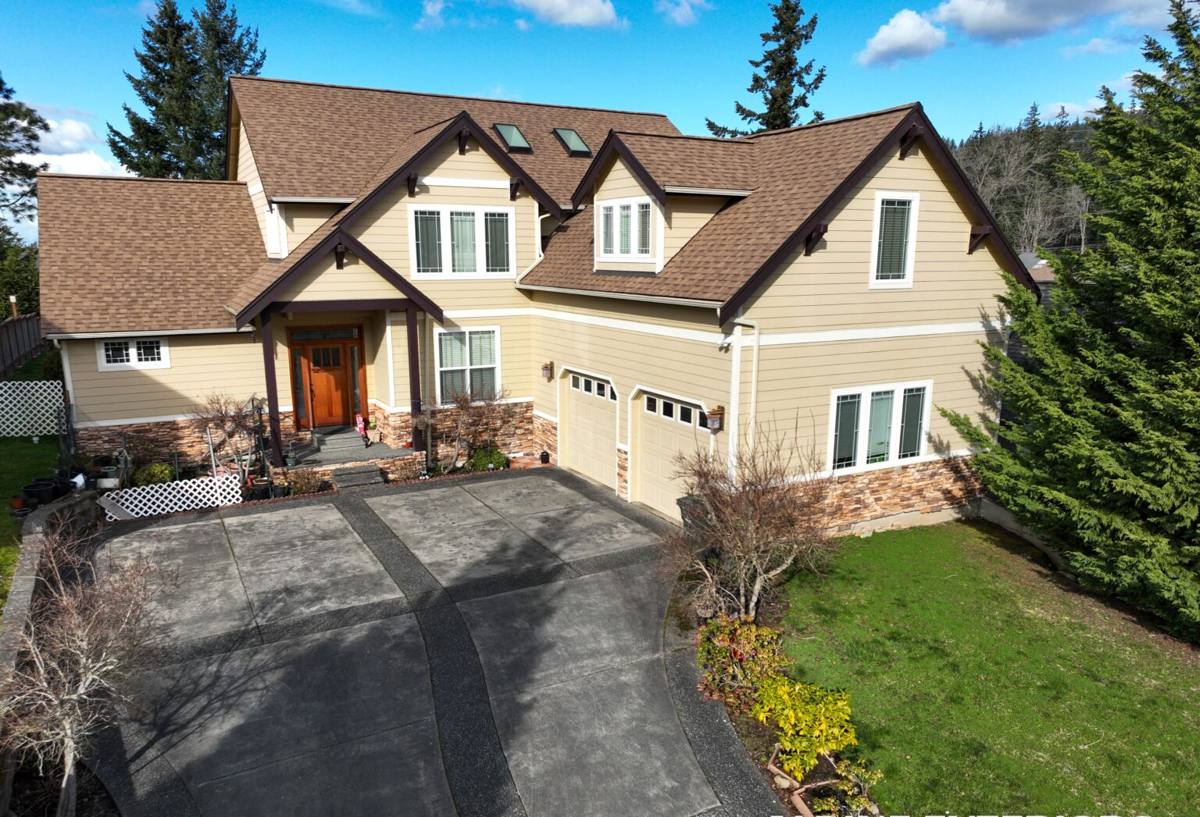
Why Ferndale Decks Wear Out Faster Than the Brochure Says
Most deck lumber and composite decking is rated and marketed based on generic national averages. Ferndale doesn't get generic weather. A few local realities that shorten deck lifespan if they're not designed around:
Salt Air and Corrosion
Metal fasteners, joist hangers, and structural screws corrode faster this close to the water, especially on the west- and north-facing sides of a property that catch the prevailing wind. Once a fastener starts rusting, it loses holding strength long before it looks obviously bad, which is part of why decks can feel "fine" right up until a board or railing section fails.
Driving Rain and Hidden Moisture
Rain here rarely falls straight down. Wind-driven rain gets pushed under railings, behind fascia boards, and into any gap where flashing was skipped or installed short. That moisture doesn't dry out quickly in our climate — it sits, and it works on wood fiber and fastener metal continuously rather than just during storms.
Moss and Algae Season
Whatcom County's moss season can run the better part of the year on shaded or north-facing decks. Moss and algae hold moisture directly against the decking surface and make boards slippery and dangerous long before they're structurally compromised. Pressure washing removes the growth temporarily but doesn't change the conditions that let it come back.
None of this means a Ferndale deck can't last — it means the materials, fasteners, flashing, and drainage details all have to be chosen and installed with this specific climate in mind, not a generic one.
Signs Your Ferndale Deck Needs Replacement, Not Repair
Not every deck problem means a full rebuild. But there's a point where patching individual boards is throwing money at a structure that's already compromised underneath. Signs it's time to talk replacement instead of repair:
- Soft, spongy spots in the decking surface, especially near the house or in shaded corners
- Ledger board (where the deck attaches to the house) shows staining, softness, or gaps — this is a structural safety issue, not cosmetic
- Rust streaking below fastener heads or joist hangers
- Railings that flex or wiggle more than they used to
- Persistent moss or dark staining that returns within a few weeks of cleaning
- Boards cupping, splitting, or pulling away from fasteners
- The deck is 15-20+ years old and was never properly flashed at the house connection
If you're only seeing one or two isolated boards go bad and the frame underneath is sound, targeted repair may still make sense. We'll tell you honestly which situation you're in during the estimate — we don't have a reason to sell a full replacement if a repair will genuinely hold up.
What a Correct Deck Replacement Involves Here
A deck replacement done right for this climate goes well beyond swapping old boards for new ones. The parts that actually determine how long the deck lasts are mostly things you won't see once it's finished.
Ledger Flashing
Where the deck meets the house is the single most common failure point on decks in wet climates. Proper flashing — installed so water is directed out and away from the house rather than trapped behind the ledger board — is non-negotiable on any deck we build or replace. This is also the area building codes pay closest attention to, for good reason.
Joist Hardware and Fasteners
Given the salt air exposure common around Ferndale, we spec corrosion-resistant, code-rated hardware and fasteners rather than standard-grade options. It costs a bit more up front and it's the difference between hardware that's still solid in fifteen years and hardware that's rusting through in five.
Framing and Structure
We inspect and, where needed, replace the substructure — joists, beams, posts, and footings — not just the visible decking. A beautiful new deck surface over a compromised frame is a liability, not an upgrade.
Drainage and Airflow
Proper spacing between boards and adequate airflow underneath the deck matters more here than in drier climates. Decks built tight to the ground or against solid skirting without ventilation stay damp longer and moss/rot faster. We plan for airflow as part of the structure, not as an afterthought.
Surface Material Choice
We'll walk through wood versus composite decking honestly, based on your budget, how much upkeep you want to do, and how much sun or shade the deck actually gets — shaded decks in particular need a plan for moss resistance, whichever material you choose.
Decking Material Comparison for This Climate
| Material | Upfront Cost | Maintenance | Moss/Moisture Resistance | Typical Lifespan Here |
|---|---|---|---|---|
| Pressure-treated wood | Lowest | Annual cleaning/sealing recommended | Moderate — needs upkeep to stay resistant | 10-15 years |
| Cedar | Moderate | Periodic staining/sealing | Naturally decent, degrades if unsealed | 15-20 years |
| Composite decking | Higher | Occasional washing, no sealing/staining | Good — doesn't rot, but can still grow surface moss if shaded and unwashed | 25-30+ years |
There's no single "right" material for every house — a sunny, exposed deck can do well in wood with regular maintenance, while a shaded deck tucked under trees usually holds up better in composite simply because it removes rot as a variable. We'll base the recommendation on your specific site, not a one-size answer.
Our Deck Replacement Process
- On-site assessment. We inspect the existing deck, ledger connection, framing, footings, and any visible moisture or rot damage, and give you a straight answer on repair versus replacement.
- Design and material selection. We go over decking material, railing style, and layout options based on your budget and how you actually use the space.
- Permitting. Deck replacements typically require a permit through the relevant local jurisdiction — we handle that paperwork so it's not on you.
- Demolition. Full removal of the old deck surface and, where needed, the compromised framing, with the site protected and cleaned as we go.
- Framing and structural work. New or reinforced joists, beams, posts, and footings, with corrosion-resistant hardware throughout.
- Ledger flashing and waterproofing. Properly detailed flashing at the house connection before anything else goes on.
- Decking and railing installation. Your chosen material installed with correct spacing for drainage and airflow.
- Final walkthrough. We go over the finished deck with you, including basic care guidance specific to whatever material you chose.
Maintenance Checklist for a New Ferndale Deck
Whatever material you choose, a little seasonal attention goes a long way in this climate:
- Sweep debris and leaves off the surface regularly, especially in fall — trapped organic matter feeds moss and holds moisture
- Rinse or lightly clean the deck surface once or twice a year to interrupt moss and algae buildup before it takes hold
- Check railings and stair connections annually for looseness
- For wood decks, plan on resealing or staining on the schedule appropriate to the product you chose — don't let it lapse
- Keep gutters and downspouts near the deck clear so runoff isn't dumping extra water onto or under the structure
- Watch the ledger board area at the house connection for staining or softness, and address it early if you see it
Why Hire a Crew That Already Works Ferndale
A contractor who works Bellingham and Whatcom County regularly already knows how wind-driven rain behaves on north- and west-facing sites, what corrosion-resistant hardware actually holds up near the water, and how aggressive the moss season really gets on shaded lots. That's not something you can fully compensate for with a generic install crew unfamiliar with the area, even a competent one — the small decisions about flashing detail, fastener grade, and board spacing are exactly where climate-specific experience shows up. We also know the local permitting process, which keeps your project from stalling on paperwork.
Cost Factors to Expect
Every deck is different, and we don't publish blanket pricing because size, framing condition, material choice, and railing style all move the number significantly. Broadly, the biggest cost drivers are:
| Factor | Impact on Cost |
|---|---|
| Deck size (square footage) | Largest single driver of total cost |
| Decking material (wood vs. composite) | Composite typically costs more upfront, less over time |
| Condition of existing framing/footings | Compromised structure adds rebuild scope |
| Railing style and material | Cable, glass, and composite railings cost more than basic wood or metal |
| Height and stairs | Multi-level or elevated decks add framing and code requirements |
We'll give you a clear, itemized number during the on-site estimate rather than a rough guess over the phone — deck framing condition especially can't be judged accurately without eyes on it.
Ready to Talk About Your Deck?
If your Ferndale deck is showing rot, rust, or moss that won't quit, or it's simply reaching the age where replacement makes more sense than another round of patching, we're happy to take a look. We'll give you a straight assessment of what's actually going on and a free, no-pressure estimate for what a proper replacement would involve — no obligation, just an honest read on your deck.