 Bellingham
 Deck Repair Built for Edgemoor's Waterfront Climate
Edgemoor sits close to Bellingham Bay, and that proximity shapes everything about how a deck ages here. Salt-laden air moves in off the water, driving rain comes in sideways during winter storms, and the tree cover that makes the neighborhood beautiful also means shade, damp leaf litter, and a moss season that can run from October through April. A deck in Edgemoor works harder than a deck built the same way inland, and it shows up in the details: fasteners that rust faster, ledger boards that trap moisture longer, and surfaces that stay damp and slick well after the rain stops.
We repair decks throughout Bellingham and Whatcom County, and Edgemoor is one of the areas where we see this pattern most consistently. This page covers what actually goes wrong with decks in this kind of setting, what a correct repair looks like, and how we handle the job from first look to final walkthrough.
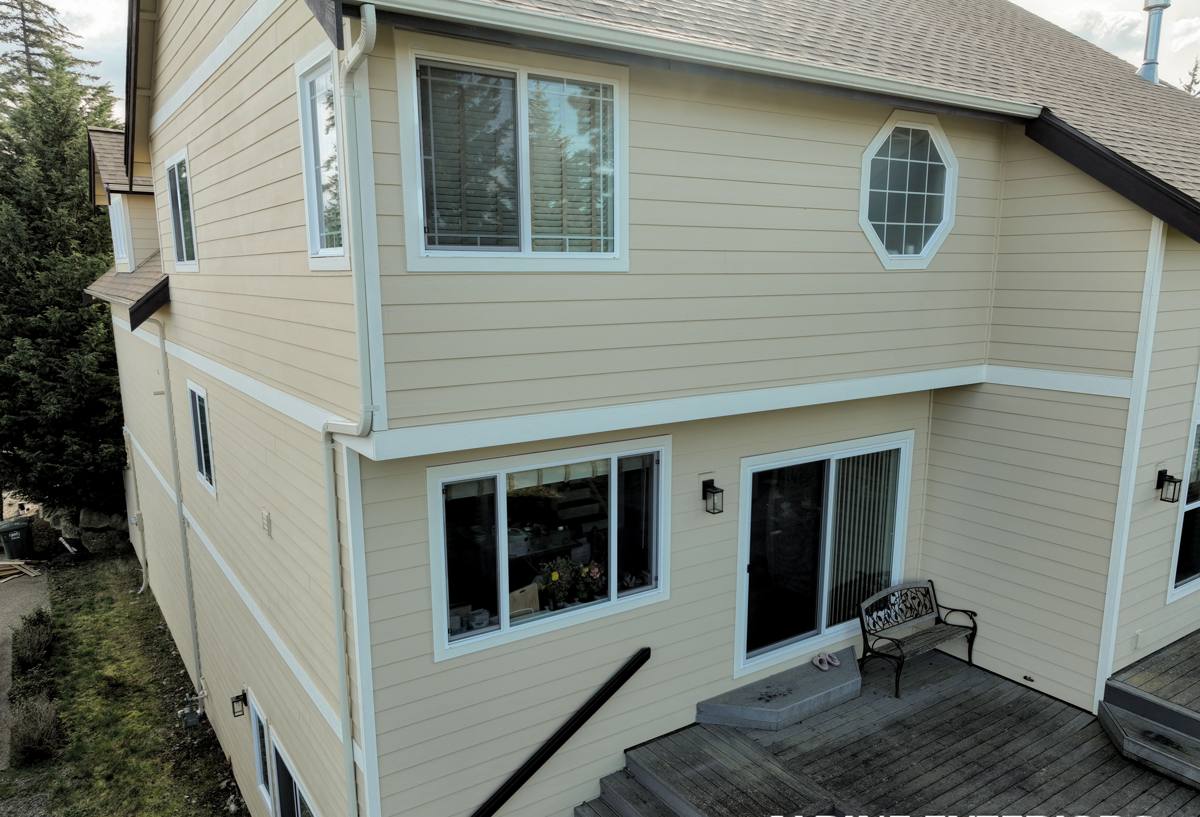
What Wears Out First on an Edgemoor Deck
Moisture at the Ledger Board
The ledger board — where the deck attaches to the house — is the single most important structural connection on most decks, and it's also the part most likely to fail quietly. If flashing was installed poorly or has degraded, water gets behind the ledger and into the rim joist or wall framing. In a marine climate with long wet stretches, this kind of hidden rot can progress for years before it shows up as a soft spot or a deck that feels slightly different underfoot.
Moss, Algae, and Slick Decking
Shaded lots near mature trees hold moisture on deck boards long after open, sunny decks have dried out. Moss and algae aren't just cosmetic — they hold water against the wood surface, accelerate decay, and turn stairs and walking surfaces genuinely dangerous when wet. We treat this as a maintenance and repair issue, not just a cleaning issue, because a deck that's constantly damp underneath the growth is also a deck that's decaying faster than it looks.
Corroded Fasteners and Connectors
Salt air accelerates corrosion on screws, nails, joist hangers, and post bases — especially on decks built before stainless or heavy-coated hardware was standard practice. Rusted fasteners lose grip strength gradually, so a railing or stair stringer can feel solid right up until it doesn't. This is one of the most common issues we find on older decks in this part of Bellingham that otherwise look structurally fine from the surface.
Railing and Post Movement
Loose or wobbly railings are usually a symptom, not the actual problem. The cause is almost always at the connection point — a post base sitting in standing water, corroded lag bolts, or a post that was never properly through-bolted to the frame. Railings take constant load and constant weather exposure, so they're often the first visible sign that something underneath needs attention.
Surface Board Decay
Cupping, splitting, soft spots, and graying decking boards are the most visible wear, but they're rarely the whole story. Board-level damage is worth fixing on its own, but it's also worth checking whether it's a symptom of poor drainage or airflow underneath the deck — a problem that will just come back if the boards are swapped without addressing the cause.
What a Correct Deck Repair Actually Involves
A repair that's done right starts with understanding why the damage happened, not just patching what's visible. That means:
- Checking the ledger connection and flashing before assuming a squeak or soft spot is only a board problem
- Testing joists, beams, and posts for soft or spongy wood, not just the decking surface
- Inspecting fasteners and connectors for corrosion, not just tightness
- Confirming railings and stairs meet current structural expectations, especially on older decks built to older standards
- Looking at drainage and airflow underneath the deck, since standing water and dead air are what turn a minor issue into a major one
Skipping any of these steps means the repair addresses a symptom instead of the cause, and in a climate like Bellingham's, the same problem tends to resurface within a season or two.
Repair vs. Replacement: How We Make the Call
Not every deck problem means starting over, and not every deck problem is a quick fix. We look at the extent of the damage, the age and condition of the framing, and how much of the structure is still sound.
| Condition | Usually Repairable | Usually Needs Larger Work |
|---|---|---|
| A few soft or cupped decking boards | Yes — board replacement | |
| Loose railing at one or two posts | Yes — reset and re-fasten | |
| Surface moss and slickness | Yes — cleaning plus drainage fix | |
| Soft or rotted ledger board | Yes — ledger and flashing rebuild | |
| Widespread joist or beam rot | Yes — framing replacement | |
| Corrosion throughout original hardware | Depends on extent | Often — full hardware upgrade |
We'll always tell you honestly which category your deck falls into, including when a repair is a reasonable short-term fix but a larger project is coming down the road. There's no benefit to us in over-selling a rebuild when a targeted repair will genuinely hold up.
Materials and Hardware: What We Use and Why
Given the exposure Edgemoor decks deal with — salt air, sustained damp, and heavy moss growth — we're deliberate about what goes into a repair:
- Fasteners and connectors: stainless steel or heavy hot-dip galvanized hardware rated for coastal exposure, not general-purpose fasteners that corrode faster near the bay
- Flashing: proper ledger flashing detail so water sheds away from the house rather than pooling at the connection
- Replacement lumber: pressure-treated framing lumber matched to the existing structure, or composite/cedar decking depending on what the homeowner already has and wants to maintain
- Post bases: raised, drainable post bases instead of posts set directly against or in standing water
We match materials to what's already on the deck where that makes sense, and we'll explain the trade-offs honestly when a different material would hold up better long-term — for example, why a post base that keeps wood off standing water matters more here than it might in a drier inland yard.
Our Process, Start to Finish
1. On-Site Inspection
We walk the full deck — surface, railings, stairs, and the structure underneath where it's accessible — and check the ledger connection, since that's the piece most often overlooked.
2. Honest Scope and Estimate
You get a clear explanation of what's failing, why, and what it will take to fix it correctly. If there's a range depending on what we find once we open something up (like a ledger board with hidden rot), we say so up front.
3. Repair Work
We address the cause first — flashing, drainage, corroded hardware, framing — then handle the visible repairs: boards, railings, stairs, and surface work.
4. Final Walkthrough
We check railings for solid connection, confirm the deck surface is even and secure, and walk you through anything we'd recommend keeping an eye on going forward, especially maintenance tied to moss and drainage.
Maintenance That Actually Matters in Edgemoor
A repaired deck stays repaired longer with the right upkeep for this specific climate:
- Clear leaves and debris from between boards and off the deck surface before the fall rains set in
- Treat moss and algae buildup before it becomes a slip hazard, especially on stairs and shaded sections
- Keep gutters and downspouts directing water away from the deck structure and posts
- Check railings and stair connections annually for looseness, which often signals hardware starting to corrode
- Watch for standing water under the deck after heavy rain, and address drainage before it becomes a rot problem
Why It Matters to Hire a Crew That Already Works in Edgemoor
Decks in this neighborhood face a specific combination of conditions — bay-adjacent air, heavy shade in places, and rain patterns that keep wood damp longer than in drier parts of Whatcom County. A crew that repairs decks here regularly knows to check the ledger flashing before blaming a soft spot on the boards, knows which hardware actually holds up near the water, and knows that a moss problem in November is often a drainage problem the rest of the year. That local pattern recognition is what keeps a repair from becoming a repeat visit.
If you've got a deck in Edgemoor that's showing wear — soft boards, a wobbly railing, persistent moss, or just a deck that's due for an honest look — we're happy to come out, walk the whole structure, and give you a straightforward assessment. Reach out for a free, no-pressure estimate using the form below.