 Bellingham
 Building a Deck That Can Handle Blaine's Weather
Blaine sits right on the water at the top of Whatcom County, which means any deck built here deals with a rougher mix of conditions than a deck built a few miles inland in Bellingham. Salt air moves in off the bay and settles on everything — metal, wood, glass — and it doesn't let up just because the sun's out. Add driving rain that comes in sideways during winter storms and a moss season that can stretch from October through April, and you've got a structure that's under constant low-grade attack. A deck that isn't built with that in mind will show its age fast: rusted fasteners, soft boards, slick green film on the walking surface, and railings that loosen up within a few seasons.
We build decks around Bellingham and out to Blaine regularly, so this isn't theoretical for us. The materials, fasteners, and detailing that hold up on a shaded, coastal lot in Blaine aren't always what a big-box deck package or a generic online plan assumes. This page covers what actually matters for a deck built in this specific corner of Whatcom County.
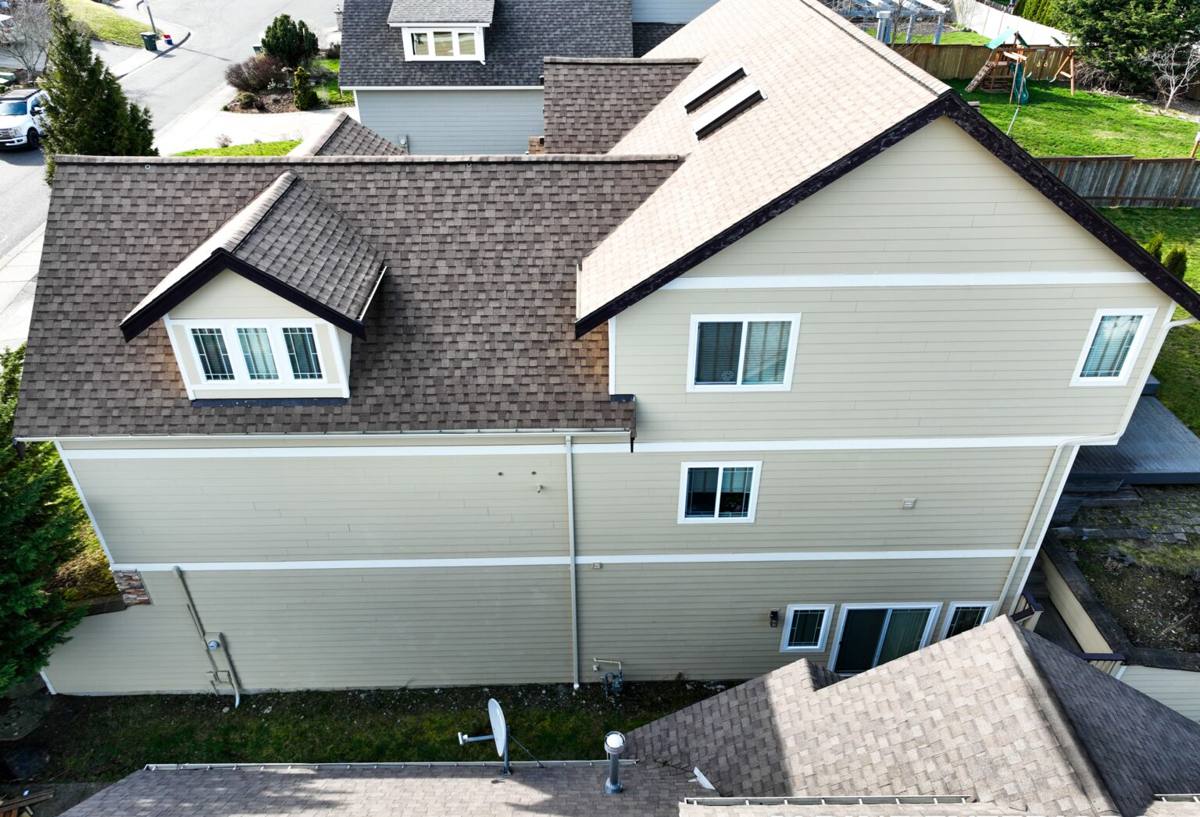
What Blaine's Location Does to a Deck Over Time
Salt Air and Corrosion
Coastal salt air accelerates corrosion on anything ferrous. Standard zinc-coated screws and nails that would last decades in a drier, inland setting can start rusting and staining decking within a few years near the water. Rust streaks bleeding out of fastener heads are one of the most common complaints we hear about older Blaine decks, and once corrosion starts on a structural connector, it's not just cosmetic — it's a slow loss of holding strength.
Wind-Driven Rain
Storms coming off the Strait don't just drop rain straight down — they push it sideways, into ledger connections, under railing posts, and into any gap where flashing or sealant was done halfway. Water that gets behind a ledger board or into a post base and can't drain back out is what causes hidden rot, and by the time it's visible, the damage is usually already structural.
Moss and Shade
Blaine's tree cover and long damp season give moss and algae exactly what they need: shade, moisture, and organic debris in the board gaps. On a deck surface, moss isn't just unsightly — it holds moisture against the wood or composite surface and turns a walking area slick and genuinely dangerous, especially on stairs, in the wet months that make up most of the year here.
Choosing Decking Material for a Blaine Property
There's no single "best" material for every deck — it depends on your budget, how much upkeep you want to do, and how shaded or exposed the site is. Here's how the common options actually perform under Blaine's conditions:
| Material | How it handles salt air & rain | Moss/algae resistance | Upkeep |
|---|---|---|---|
| Pressure-treated wood | Good if properly sealed and re-sealed on a schedule; end grain and fastener holes need attention | Needs regular cleaning; grain traps moisture and spores | Highest — annual inspection, periodic sealing |
| Cedar | Naturally rot-resistant but still needs finish maintenance near salt air | Moderate — still needs cleaning in shaded areas | Moderate to high |
| Composite decking | Very good — doesn't absorb water or corrode | Better than wood, but shaded composite still grows algae film and needs washing | Low — periodic washing, no sealing |
| PVC/capped decking | Excellent — fully sealed surface, no wood fiber to hold moisture | Best of the group, though still needs occasional cleaning in deep shade | Lowest |
For a shaded, water-adjacent lot in Blaine, we lean toward steering clients away from uncapped wood-composite blends, which have wood fiber close to the surface and can hold moisture in exactly the damp, shaded conditions this area provides. That's a maintenance and moisture-behavior tradeoff, not a knock on any particular brand — some homeowners are happy to do the upkeep wood requires and prefer the look and repairability of real lumber, and that's a legitimate choice too. We'll walk through the actual tradeoffs for your site rather than push one material by default.
What's Underneath Matters More Than the Surface
Ledger Attachment and Flashing
The connection where a deck attaches to the house is the single most common failure point on any deck, and it's especially critical here given how much wind-driven rain the area gets. Proper ledger flashing — installed so water sheds out and away from the house framing rather than getting trapped behind the board — isn't optional detailing, it's the difference between a deck that lasts and one that rots the house band joist behind it.
Footings and Post Bases
Footing depth and post base hardware need to match the soil and drainage on your specific lot. Post bases that hold the post above standing water, rather than letting the post end sit in a wet pocket at grade, avoid a huge share of the rot problems we see on older decks in wetter parts of Whatcom County.
Joist Hardware and Fastener Grade
Every hanger, screw, and structural connector on a deck near salt water should be rated for corrosive exposure — typically stainless steel or a heavy-duty coated hardware rated for coastal/treated-lumber contact. Mixing standard interior-grade hardware into an exterior, coastal build is one of the most common shortcuts that shows up as rust stains and loosening connections a few years down the line.
Railings and Hardware Built for This Environment
Railing posts and connections take a lot of the same coastal exposure as the framing below, plus direct hand contact and, often, more sun and rain exposure than the shaded deck surface underneath. Cable rail and metal baluster systems look great but require careful attention to corrosion-resistant hardware near the water — the wrong grade of stainless or coated fitting will streak and stain a railing within a couple of seasons. We spec railing hardware the same way we spec structural fasteners: rated for the exposure it will actually see, not just what's cheapest at pickup.
Our Deck Building Process
- Site visit and design conversation. We look at sun/shade exposure, drainage, proximity to water, and how you actually want to use the space before talking materials.
- Material and layout selection. We walk through the honest tradeoffs of wood versus composite versus capped decking for your specific site, not a one-size-fits-all pitch.
- Permitting. We handle the permit process for the jurisdiction your property falls under, whether that's the City of Blaine or Whatcom County.
- Framing built for coastal exposure. Corrosion-rated hardware, properly flashed ledger connections, and post bases set to keep wood out of standing water.
- Decking and railing install. Spacing, fastening, and drainage detailing set up to shed water and resist moss buildup from day one.
- Final walkthrough. We go over basic care — what to clean, what to inspect, and how often — so the deck holds up the way it was built to.
Keeping a Blaine Deck in Good Shape Year-Round
A well-built deck still needs some seasonal attention in this climate. A basic yearly routine goes a long way:
- Sweep debris out of board gaps before it composts into moss food, especially heading into fall
- Wash the surface with a deck-safe cleaner once or twice a year to break up algae and moss film before it gets slick
- Check fastener heads and railing connections annually for rust streaking or looseness
- Confirm ledger flashing and any caulked seams are still intact, especially after a hard winter storm season
- Keep gutters and downspouts near the deck clear so runoff isn't dumping extra water onto the structure
- Re-seal wood decking on the schedule the finish product calls for — don't wait until it's visibly gray and dry
Permits and Local Requirements
Depending on where your property sits — inside Blaine city limits or in unincorporated Whatcom County — deck permitting and setback rules can differ, and waterfront or shoreline-adjacent lots sometimes carry additional review. We handle the permit application as part of the job so you're not the one figuring out which jurisdiction's rules apply.
Why Work With a Crew That Already Builds in Blaine
A deck built to a generic inland spec doesn't hold up the same way out here. Crews that don't regularly work this close to the water can underestimate how much salt exposure, driving rain, and moss really do to fasteners and framing over a few Whatcom County winters. We build in Bellingham and out to Blaine on a regular basis, so the hardware grade, flashing detail, and material choices on your deck reflect what actually survives this specific stretch of coastline — not just what works fine somewhere drier.
If you're planning a new deck or replacing one that's showing its age, we're happy to take a look and put together a straightforward, no-pressure estimate. Use the form below to get started.