 Bellingham
 Building Decks for Blaine's Coastal Conditions
Blaine sits close enough to Semiahmoo Bay and the Strait of Georgia that homes here deal with a different set of stresses than decks built further inland in Whatcom County. Salt-laden air, long stretches of driving rain off the water, and a moss season that can run from October well into spring all put real wear on outdoor living spaces. A deck that would hold up fine in a drier, more sheltered yard can start showing problems within a few seasons out here if it wasn't built with these conditions in mind.
Composite decking has become the go-to choice for a lot of Blaine homeowners for exactly this reason. It doesn't rot, it doesn't need to be refinished every year or two, and it resists the kind of moisture damage that eventually catches up with even well-maintained wood decking in a wet coastal climate. But composite decking is only as good as the substructure underneath it and the details of how it's installed — and that's where a lot of decks in this area run into trouble.
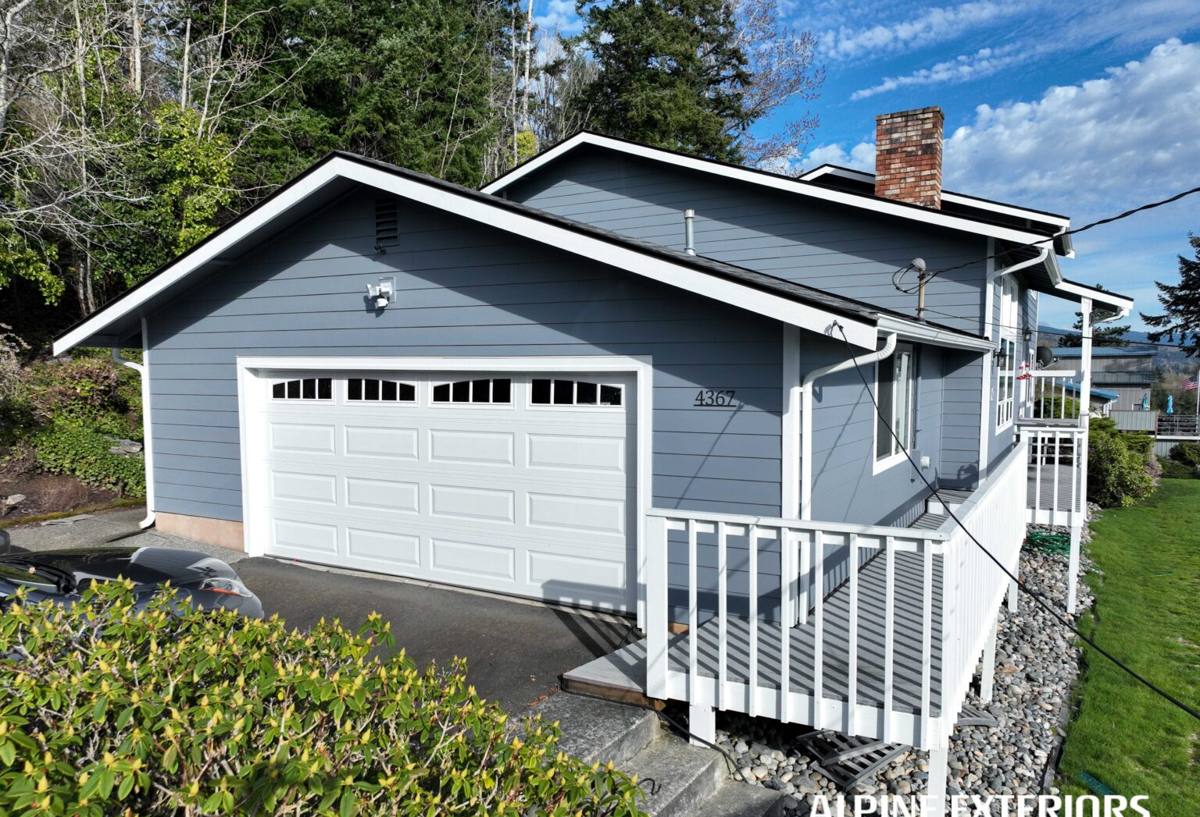
What Blaine's Salt Air and Rain Actually Do to a Deck
Salt Air and Metal Fasteners
Proximity to saltwater accelerates corrosion on anything metal — fasteners, brackets, ledger board hardware, post bases. Standard interior-grade or even some exterior-rated hardware can start rusting and losing strength faster near the water than it would a few miles inland. This matters more than most homeowners realize, because the fasteners holding a deck's frame together are structural, not cosmetic.
Driving Rain and Water Intrusion
Rain that comes in sideways off the water finds every gap in flashing, every unsealed ledger connection, and every spot where water can pool instead of draining. Over time, that moisture works its way into framing lumber, ledger boards, and post bases — even under a composite deck surface that itself never absorbs water.
The Long Moss Season
Whatcom County's wet, mild winters give moss and algae months to establish themselves on any deck surface that stays shaded or doesn't drain well. Beyond looking bad, a mossy deck surface gets slick and can hold moisture against the board longer than it should, which matters most where boards meet fasteners or trim.
What a Correct Composite Deck Build Involves
Composite boards themselves are engineered to shrug off moisture, but the deck they're attached to is still a wood-and-metal structure underneath (unless you go with a steel frame system, which we'll talk about below). Getting this right is what separates a deck that lasts decades from one that needs framing repairs in year eight.
- Pressure-treated or steel framing rated for ground contact and coastal exposure, not standard interior lumber
- Joist tape or a moisture barrier on top of every joist to keep water from sitting against the wood under the boards
- Proper joist spacing for the specific composite product — many composites need tighter spacing than traditional wood decking, especially on diagonal layouts
- Stainless steel or coated corrosion-resistant fasteners and hardware throughout, not just at the visible surface
- Correct ledger board flashing and a gap or barrier between the ledger and the house to stop water from tracking behind the siding
- Consistent drainage slope away from the house so water doesn't pool against the foundation or under the deck
- Hidden fastener clip systems installed to the board manufacturer's exact spacing, not "close enough"
- Proper end-gapping and expansion clearance, since composite boards expand and contract with temperature more than people expect
Skipping or rushing any one of these doesn't usually show up right away. It shows up two, three, or five years later as a soft spot in the frame, a board that's started to cup, or fasteners bleeding rust through the surface.
Composite vs. Other Decking Materials for This Climate
Composite isn't the only option, and it isn't automatically the right call for every project. Here's how the common choices compare for a home in Blaine's climate specifically.
| Material | Moisture Behavior | Maintenance | Typical Lifespan Here |
|---|---|---|---|
| Composite (capped) | Resists rot; capped boards shed water and resist staining | Occasional wash-down to keep moss from taking hold | 25-30+ years |
| Pressure-treated wood | Absorbs water; prone to swelling, checking, and rot at fastener points | Annual cleaning and re-sealing/staining | 10-15 years before major repairs |
| Cedar | Naturally rot-resistant but still absorbs moisture over time | Regular sealing to maintain resistance | 15-20 years |
| PVC (cellular) | Fully moisture-resistant, no wood content to rot | Very low; occasional cleaning | 25-30+ years |
Composite tends to hit the sweet spot for coastal Whatcom County homes: it handles the wet climate without the ongoing maintenance of wood, and it's generally more budget-friendly than full PVC while still offering strong moisture performance when properly capped on all four sides.
Choosing the Right Composite Board
Not all composite decking is built the same, and the differences matter more in a climate like this one than they would somewhere dry. We look for boards that are capped on all sides (not just the top surface), since an uncapped edge or bottom is where moisture and algae get a foothold first. We also pay attention to how a given board's texture and color hold up to mildew and how easily it's cleaned, since a smoother, tighter grain pattern generally sheds moss growth better than a deeply textured one in a shaded, damp yard.
Color matters too, though less for climate reasons and more for comfort — darker composite boards absorb more heat on the rare sunny days we do get, which barefoot homeowners notice. We'll walk through board options, cap types, and color choices as part of your estimate rather than pushing one line because it's what we happen to have on hand.
Our Process for a Blaine Composite Deck
1. Site Visit and Assessment
We look at drainage patterns, sun and shade exposure, proximity to the water, existing structure condition if it's a replacement, and any local permit requirements before we quote anything.
2. Design and Material Selection
We talk through board brand and color, railing style, and layout, and we account for expansion gaps and fastener spacing specific to the product you choose.
3. Framing and Structural Work
This is where most of the long-term durability gets decided. We use coastal-appropriate treated lumber or steel framing, corrosion-resistant hardware, and joist protection tape as standard practice, not an upsell.
4. Installation
Boards go down with hidden fastener systems where the product supports it, correct spacing for expansion, and attention to how water will move across and off the finished surface.
5. Final Walkthrough
We check fastener lines, railing stability, drainage, and finish details with you before we consider the job done, and we explain the specific maintenance your board manufacturer recommends.
What It Costs and What Drives the Price
Composite decking costs more up front than pressure-treated wood, but the maintenance savings and lifespan usually make up the difference over time. The exact number for your project depends on a handful of factors more than square footage alone.
| Cost Factor | Why It Matters |
|---|---|
| Board tier and brand | Entry-level capped composite vs. premium PVC-composite hybrids have a wide price range |
| Substructure condition | Replacing rotted framing on an existing deck adds cost but is not optional for a safe rebuild |
| Height and railing type | Elevated decks and code-required railings add material and labor |
| Site access | Waterfront lots and tight yards can complicate material delivery and staging |
| Layout complexity | Diagonal board patterns, curves, or multiple levels take more time and material |
We give straightforward, itemized estimates so you know what you're paying for the boards versus the structural work — no vague lump-sum numbers.
Keeping a Composite Deck Clean Through a Whatcom County Winter
Composite decking is low-maintenance, not no-maintenance. In a climate that stays wet for months at a time, a little seasonal attention goes a long way toward keeping moss and mildew from taking hold.
- Sweep off leaves and debris regularly in fall so organic matter doesn't sit and hold moisture against the boards
- Wash the deck surface a couple of times a year with a soft-bristle broom, mild soap, and water — avoid pressure washers on composite unless the manufacturer specifically approves it
- Keep gutters and downspouts clear so runoff isn't dumping directly onto or under the deck
- Trim back overhanging branches and vegetation to cut down on shade and moisture retention where moss grows fastest
- Check railing posts and stair connections once a year for any looseness, since freeze-thaw cycles and constant dampness can work fasteners loose over time
Why a Crew That Already Works Blaine Matters
A lot of what makes a composite deck last in this specific area comes down to details that aren't obvious unless you've built decks here before — how close to build to the water line, which fastener grades actually hold up against the salt air, how much slope is enough to shed the kind of driving rain this coast gets, and where moss tends to establish first based on how a given lot sits relative to sun and wind. We're a Bellingham-based crew that works throughout Whatcom County, including Blaine, so these aren't things we're guessing at on your project.
We also know the permitting and inspection process for this area, which keeps your project moving instead of stalling out on paperwork. And because we're local, we're not disappearing after the last board is fastened down — if a question comes up two years from now about maintenance or a warranty item, you're calling a crew that's still working in your neighborhood, not chasing down an out-of-town contractor.
Get a Free Estimate for Your Blaine Deck Project
If you're planning a new composite deck or replacing an aging wood one, we're happy to come take a look, walk the site, and put together a straightforward, no-pressure estimate. Use the form below to get started.