 Bellingham
 Bellingham's Coastal Climate Puts Real Stress on Windows in Barkley
Barkley sits inside Bellingham, close enough to Bellingham Bay and the surrounding Whatcom County waterways that homes here take on a steady dose of salt-laden air, long stretches of driving rain through fall and winter, and a moss season that can run from early October well into spring on any shaded or north-facing wall. None of that is unique to this one neighborhood, but it adds up on a window faster than most homeowners expect. A window installed twenty or twenty-five years ago, using the standard practices of that era, is often right at the point where the seals are failing, the wood components are holding moisture instead of shedding it, and the hardware is showing corrosion from years of salt exposure.
Wind-driven rain is the other piece of the puzzle. Storms coming off the water don't just fall straight down — they push rain sideways into gaps in flashing and trim, especially on west- and south-facing walls or upper-story windows that catch more wind. A window that would perform fine in a drier inland climate can leak here simply because it wasn't installed with that wind-driven moisture in mind. Add in the region's mild, damp winters that never quite dry things out, and you get the conditions that grow moss on roofs, siding, and window sills alike.
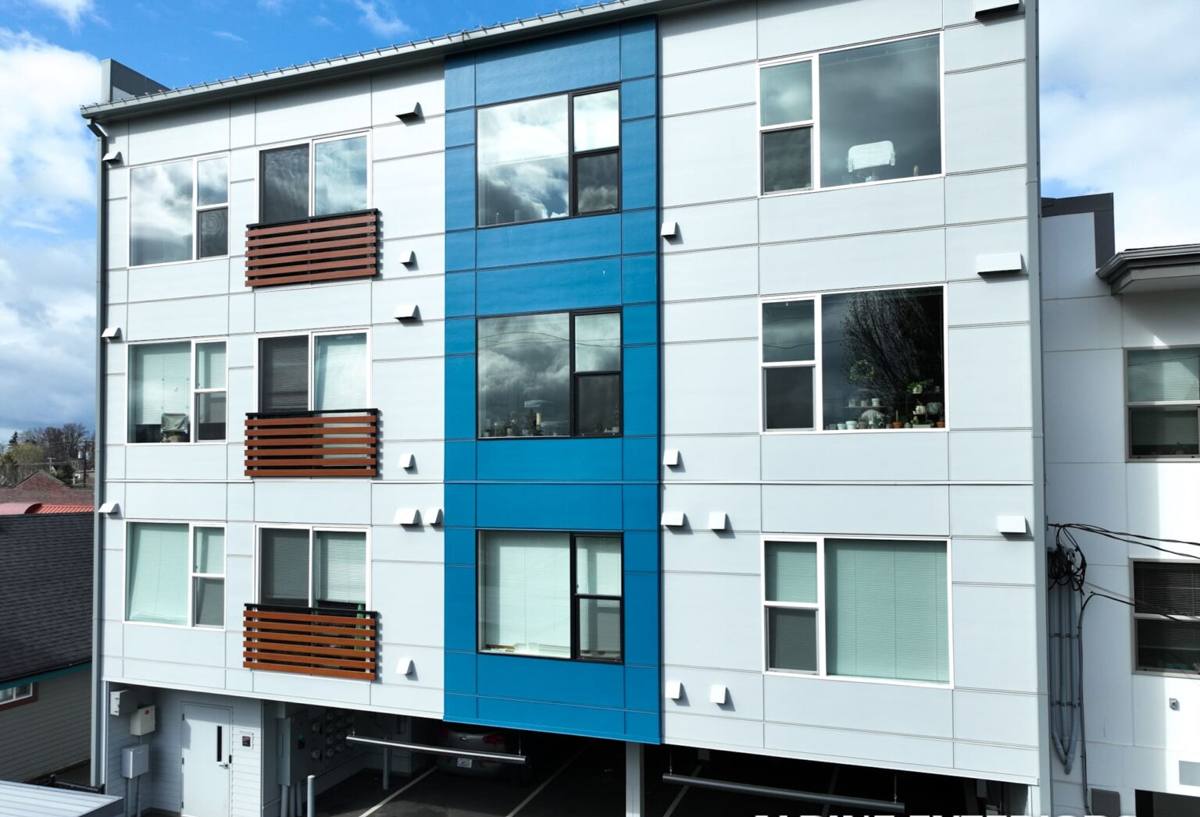
What "Custom" Actually Means When You're Replacing Windows
Retrofit sizing versus new-construction frames
Most window work in an established neighborhood like Barkley is retrofit work — fitting a new window into an existing rough opening rather than building a new opening from scratch. That means precise measurement matters more than picking a size off a chart. Openings settle and shift slightly over the decades, corners go slightly out of square, and no two "same size" windows in an older home are ever perfectly identical. A custom-built replacement is measured to the actual opening as it exists today, not to a nominal size, so it seats correctly without shims fighting an out-of-square frame.
Matching openings across additions and mixed home eras
Barkley has a mix of home ages and styles, and it's common for a house to have had an addition or remodel at some point that introduced a slightly different window style or sightline than the original construction. Custom sizing lets us match sightlines and trim reveals across an addition seam, or intentionally update the look while keeping the openings consistent, instead of forcing a stock size into a space it wasn't made for.
Where We See Windows Fail First in This Area
Fogged or failed insulated glass
Double-pane windows rely on a sealed gap between panes, usually filled with argon gas, to do their insulating work. Once that seal breaks — from age, UV exposure, or just years of expansion and contraction in our temperature swings — moisture gets between the panes and you see permanent fogging or a milky ring around the edge of the glass. There's no fixing that from the outside; the sealed unit has to be replaced.
Wood rot at sills, corners, and bottom rails
Wood-framed and wood-clad windows are common in this area and can look fine for years while quietly absorbing water at the weakest points: the bottom of the sill, the corner joints, and anywhere caulk has cracked or pulled away. By the time you can see soft or discolored wood, the rot has usually been working for a while. Persistent damp weather for much of the year means this process doesn't pause the way it might in a drier climate.
Moss, mildew, and staining around frames and trim
Shaded sides of a house, especially where roof overhangs or trees keep a window from ever fully drying, tend to grow moss and mildew on the trim and sill first. It's mostly cosmetic early on, but moss holds moisture against wood and paint, and over a long moss season that constant dampness accelerates whatever rot or coating failure is already starting underneath.
Frame Material and Glass Choices That Hold Up Here
There's no single "best" window material — the right choice depends on the home's exposure, your maintenance appetite, and budget. Here's how the common options actually compare for a salt-air, high-rainfall climate like Bellingham's:
| Frame Material | Moisture Behavior | Maintenance | Typical Lifespan |
|---|---|---|---|
| Vinyl | Won't rot or corrode; performs well in salt air | Low — occasional cleaning | 20–30+ years |
| Fiberglass | Very stable, minimal expansion/contraction, resists moisture well | Low | 30+ years |
| Wood (unclad interior/exterior) | Handsome look, but vulnerable to rot if finish isn't maintained | High — repaint/reseal on a regular cycle | Varies widely with upkeep |
| Wood-clad (aluminum or vinyl exterior, wood interior) | Good moisture protection outside, warmth inside | Moderate — interior wood still needs care | 25–30+ years with proper install |
On the glass side, dual-pane with a low-E coating and argon fill is the standard baseline for this climate and handles most exposures well. For walls that take the brunt of wind-driven rain and afternoon sun — typically west- and south-facing elevations — we'll sometimes discuss a heavier gas fill or triple-pane option, weighed against the added cost. Grille patterns, tint, and obscure glass for bathrooms are all things we sort out during the same conversation, since they don't change the installation approach.
How We Approach a Window Installation, Start to Finish
Assessment and measurement
We start by looking at the actual condition of the opening — not just the window itself, but the sill, the framing behind it, and any signs of past water intrusion. Measurements are taken to the real opening, and we flag anything that needs repair before a new window goes in, since installing a good window into a compromised opening just hides the problem.
Removal and opening prep
Old windows come out carefully to avoid unnecessary damage to surrounding siding or trim. Any soft framing, rotted sill material, or failed old flashing gets addressed here — this is the point where hidden damage from years of moisture usually shows up, and it's much cheaper to fix now than after a new window is sealed in on top of it.
Flashing and moisture management
This is the step that determines whether a window leaks in five years or lasts thirty, and it's where a lot of shortcuts get taken on lower-quality jobs. We set proper sill pan flashing so any water that does get past the window sheds back outside instead of sitting in the framing. Flashing tape integrates with the home's existing weather-resistive barrier in the correct shingle-lap order — upper layers over lower ones — so water is always directed down and out, never trapped behind a layer that dead-ends it. Sealant goes where it's supposed to hold water out, and gaps are left open where the window design calls for drainage, such as weep holes at the sill.
Setting, shimming, and insulating
The window gets shimmed square and plumb, fastened per the manufacturer's specifications, and the gap between the frame and rough opening is insulated — not overpacked, which can bow a frame, and not left empty, which invites drafts and condensation.
Interior and exterior finish
Exterior trim and caulking are finished to shed water correctly, and interior trim is refit or replaced to match the surrounding finish. We clean up and walk the job with you before calling it done.
Cost Factors to Expect
Every custom window project is different, but the same handful of factors drive most of the cost difference between jobs:
| Factor | Why It Affects Cost |
|---|---|
| Number of windows | Per-window cost typically drops on larger multi-window projects |
| Size and shape | Oversized, arched, or non-rectangular openings require custom fabrication |
| Frame material | Vinyl, fiberglass, and wood-clad carry different material costs |
| Glass package | Upgraded gas fill, triple-pane, or specialty glass adds cost per unit |
| Access and height | Second-story or hard-to-reach windows take more time and equipment |
| Hidden repairs | Rot or damage found at the opening adds material and labor once uncovered |
| Disposal | Removal and hauling of old windows and materials |
We'll walk through which of these apply to your project during the estimate, so there aren't surprises once work starts.
Keeping Custom Windows Performing Through Moss Season and Beyond
A well-installed window still needs a bit of upkeep in this climate. A short seasonal routine goes a long way:
- Clear moss and debris from sills, tracks, and weep holes before it builds up and holds moisture
- Check exterior caulk lines each fall for cracking or separation before the wet season sets in
- Wipe down and inspect hardware and locks for corrosion, especially on windows facing the water
- Watch for condensation buildup between panes — a sign a seal has failed and the unit needs replacing
- Keep gutters and downspouts clear so overflow isn't running down onto window heads
- Trim back vegetation that keeps a window shaded and damp longer than the rest of the house
Why Hiring a Crew That Already Works in Barkley Matters
Every neighborhood has its own quirks — the typical home ages, the common construction details from whatever era a given block was built, and the exposures that tend to take the worst weather. Crews that already work in and around Barkley have seen those patterns repeatedly and know where to look for trouble before it's visible from the curb. If your property is part of a planned community or has any architectural expectations for exterior appearance, we're glad to work within those guidelines rather than treating every job the same regardless of the neighborhood.
If you're weighing whether it's time to replace aging windows, or you've already spotted fogging, drafts, or soft wood around a frame, we're happy to take a look and give you a straight answer. Reach out for a free, no-pressure estimate using the form below.