 Bellingham
 Window Replacement Built for Sehome's Climate, Not a Generic Playbook
Sehome sits on the hillside close to Western Washington University, with a mix of older homes from the early-to-mid 1900s alongside newer infill construction. That mix matters when it comes to windows. An older home in this part of Bellingham was likely built with single-pane wood windows or an early-generation replacement from decades ago, while newer homes may already have vinyl units nearing the end of their seal life. Either way, the fix isn't one-size-fits-all. A correct window replacement in Sehome starts with understanding what the existing opening looks like behind the trim, not just what brand of window goes in front of it.
We work window replacement jobs across Bellingham and Whatcom County, and Sehome's combination of hillside exposure, tree cover, and proximity to the bay creates its own set of demands. This page covers what local homes actually need, what a properly done job involves, and why the crew you hire should already understand this neighborhood's conditions before they show up with a truck.
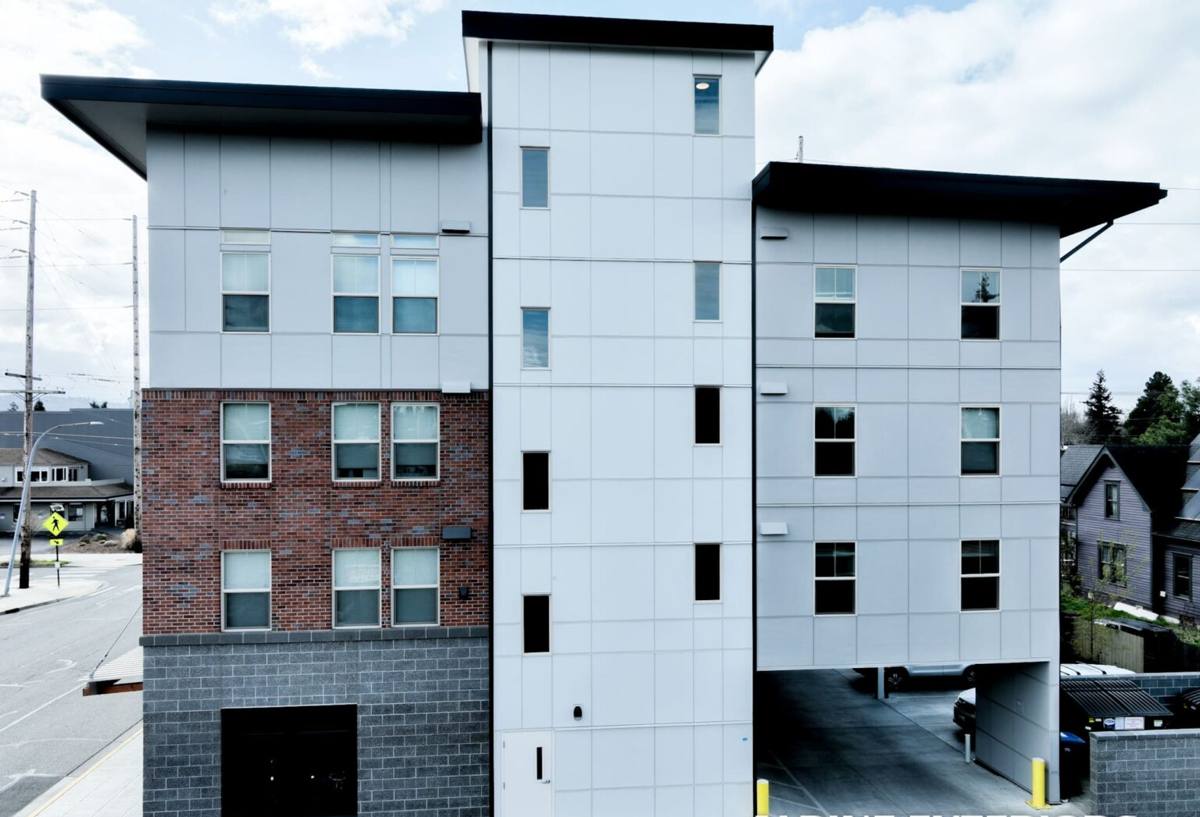
What Bellingham's Climate Does to Windows Over Time
Whatcom County's marine climate is mild, but it is relentless. Windows here don't usually fail from one big storm — they fail from years of small, repeated exposure that homeowners don't notice until the damage is done.
Salt Air and Metal Fatigue
Homes closer to Bellingham Bay deal with airborne salt that accelerates corrosion on window hardware — hinges, cranks, balances, and aluminum components. Corroded hardware makes windows harder to open and close, and once seals start to pit or corrode, moisture finds a way in faster than it would in a drier inland climate.
Driving Rain and Wind-Driven Moisture
Rain in this region doesn't just fall straight down — wind pushes it sideways against west- and south-facing walls for days at a time during the wet season. Windows that were installed without proper flashing or sloped sills are the first place that shows up, usually as staining, soft trim, or a musty smell near the frame.
The Long Moss Season
Bellingham's extended wet season, roughly October through May, keeps surfaces damp for long stretches. Moss and algae don't just grow on roofs — they colonize window sills, trim, and any horizontal surface that stays shaded and moist. Beyond the cosmetic issue, that sustained moisture is what breaks down caulking, primes wood for rot, and shortens the life of even a good window if the surrounding trim isn't sealed correctly.
Signs Your Sehome Home's Windows Need Replacing
Not every window problem means full replacement — sometimes a repair, new weatherstripping, or a re-caulk is enough. But certain signs point to a window that's past the point of a simple fix.
- Visible fog or moisture trapped between panes (a failed seal on a double-pane unit)
- Wood trim or sills that feel soft, spongy, or show dark staining
- Windows that are difficult to open, close, or lock, especially after damp weather
- Noticeable draft or cold spot near the frame even when the window is closed
- Visible gaps between the frame and the wall, or cracked and shrinking caulk lines
- Condensation forming on the inside of the glass regularly during colder months
- Moss or algae buildup that keeps returning on the sill no matter how often it's cleaned
- Noticeably higher heating bills without another clear explanation
What a Correct Window Replacement Job Involves
The window itself is only part of the job. Most of the long-term performance comes from what happens at the opening before the new unit ever goes in.
Removal and Inspection
Once the old window is out, we check the surrounding framing, sill, and sheathing for rot or water damage. In a climate like ours, hidden moisture damage around older windows is common enough that it's worth catching before it's covered back up. If there's damage, it needs to be addressed at this stage, not papered over.
Flashing and Moisture Management
Proper flashing directs any water that gets behind the siding back out, rather than letting it sit against the framing. This is one of the most skipped steps in low-quality window jobs, and it's exactly the step that matters most given how much wind-driven rain this area sees.
Insulation and Air Sealing
The gap between the window frame and the rough opening needs to be insulated and air-sealed correctly — not overpacked, not left empty. Done right, this is a meaningful part of a home's overall draft and energy performance.
Installation and Final Sealing
The window is set level, plumb, and square, fastened per manufacturer specs, and sealed with exterior-grade caulking rated for a wet climate. Interior and exterior trim is reinstalled or replaced as needed, and everything is tested for smooth operation before we consider the job done.
Choosing the Right Window for This Climate
There's no single "best" window material — the right choice depends on the home, the budget, and how much upkeep the homeowner wants to take on. Here's an honest comparison of the main options for a wet, coastal-influenced climate like Bellingham's.
| Frame Material | How It Handles This Climate | Maintenance |
|---|---|---|
| Vinyl | Good moisture resistance, won't rot; performance varies with build quality | Low — occasional cleaning |
| Fiberglass | Very stable in temperature and moisture swings, holds paint well | Low to moderate |
| Wood | Excellent insulator and classic look for older Sehome homes, but vulnerable to rot without diligent upkeep | High — regular painting/sealing required |
| Wood-Clad | Wood interior with a protective exterior cladding; balances appearance and weather resistance | Moderate |
| Aluminum | Durable but conducts heat and cold, and is more prone to condensation and salt-air corrosion near the bay | Moderate — watch hardware for corrosion |
For most Sehome homes, we lean toward vinyl or fiberglass for straightforward replacements, and wood-clad when matching the character of an older home matters. We generally steer clients away from bare aluminum frames near the bay, not because the material is bad everywhere, but because salt-air corrosion and condensation are a real maintenance burden in this specific location.
Our Process, Start to Finish
1. Free On-Site Estimate
We look at your existing windows, talk through what's not working, and give you an honest read on repair versus replacement.
2. Measurement and Product Selection
We measure precisely and walk you through material and glass options based on your home's exposure, budget, and how the home is used.
3. Scheduling Around Weather
Given our wet season, we plan installation windows carefully so openings aren't exposed to the elements longer than necessary.
4. Installation
Old windows out, framing inspected, flashing and sealing done correctly, new windows set and tested.
5. Walkthrough and Cleanup
We test every window with you, clean up the job site, and make sure you know how to maintain the new units.
Why Hiring a Crew That Already Works in Sehome Matters
Window replacement done by someone unfamiliar with this region often looks fine for the first year or two, then starts showing problems once a few wet seasons have passed. A crew that regularly works in Bellingham and Whatcom County already knows how to detail flashing for wind-driven rain, which materials hold up near the bay, and how to work around the tree cover and hillside drainage common in older Sehome lots. That local experience shows up in the details — the ones you don't see until they either hold up or fail.
We're also familiar with City of Bellingham permitting requirements that can apply to window replacement, particularly on older homes where structural or egress questions come up. Sorting that out ahead of time avoids delays once work has started.
Cost Factors for Window Replacement in Sehome
Every home is different, so we don't quote pricing sight unseen — but these are the main factors that move the number up or down.
| Factor | Why It Affects Cost |
|---|---|
| Number of windows | More openings means more labor and material, though per-window cost often drops on larger jobs |
| Frame material | Vinyl is typically the most budget-friendly; wood and wood-clad cost more upfront |
| Window size and configuration | Larger units, bay windows, or custom shapes require more time and specialized handling |
| Condition of the existing opening | Rot or framing damage found during removal adds repair work before the new window can go in |
| Access and home height | Second-story or hard-to-reach windows take more time and equipment |
| Trim and finish work | Matching existing interior or exterior trim, especially on older homes, adds labor |
As a broad range, a straightforward window replacement typically runs from a few hundred dollars per window on the low end up to well over a thousand per window for larger, higher-end, or more complex installs. The only way to get an accurate number is a site visit.
Maintaining Your New Windows in a Wet Climate
Even a well-installed window benefits from a little seasonal attention here. A few habits go a long way:
- Rinse sills and tracks periodically to keep moss and algae from taking hold
- Check exterior caulking once a year, ideally before the wet season starts
- Wipe down hardware occasionally if your home is closer to the bay, to slow salt-related corrosion
- Keep an eye on interior condensation — persistent fogging can signal a ventilation or humidity issue worth addressing early
- Trim back vegetation that keeps a window shaded and damp longer than the rest of the house
If you're noticing drafts, moisture, or sticking windows in your Sehome home, we're happy to come take a look. The estimate is free, there's no pressure to move forward, and you'll get a straight answer about whether you need a repair or a full replacement — just fill out the form below to get started.