 Bellingham
 Deck Repair Built for Sudden Valley's Conditions
Sudden Valley sits in a wooded, lake-adjacent pocket of Whatcom County, and that setting shapes how decks age here. Tree cover along Lake Whatcom keeps a lot of decks in partial shade for much of the day, which sounds pleasant until you realize shade means slower drying. A deck that sits damp longer after every Bellingham rain is a deck that grows moss faster, holds moisture in its joints longer, and gives rot a better foothold. We've repaired enough decks in this neighborhood to know the pattern isn't random — it's the terrain and tree canopy working against the wood, year after year.
This page is about one service in one place: repairing decks for homes in and around Sudden Valley. Not a general overview of decking, not a sales pitch for a full rebuild you don't need. If your deck has a soft spot, a wobbly rail, or boards that never seem to dry out, this is what an honest repair looks like and what we actually do about it.
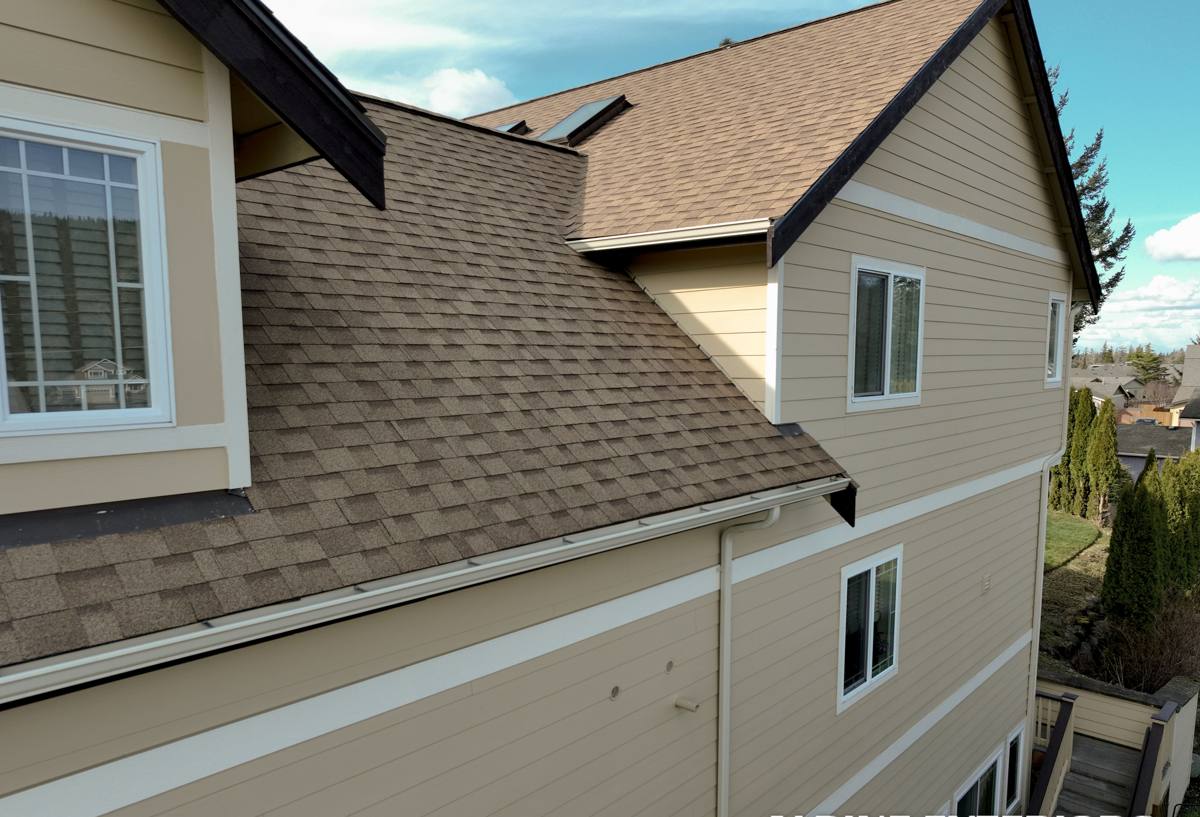
How Whatcom County Weather Wears Down a Deck
Western Washington's climate is hard on exterior wood in general, and Whatcom County adds its own twist. Driving rain off the Sound and the near-constant overcast stretch of fall through spring means wood surfaces rarely get a long, uninterrupted dry-out period. Add the salt-tinged air that moves inland off the water on windier days, and you've got a slow, steady corrosive effect on any exposed metal fasteners, brackets, or hardware — not dramatic, just relentless.
In Sudden Valley specifically, the bigger day-to-day factor is shade and ground moisture. Lots backing onto trees or sloped, wooded terrain tend to stay cooler and damper than open, sun-exposed properties closer to downtown Bellingham. That combination — cool, shaded, humid — is exactly what moss and algae need to take hold. Once moss establishes itself on decking, it holds water against the wood surface almost like a sponge, which accelerates rot in the boards underneath long before the surface looks obviously bad.
The moss season problem
Our moss season here isn't a few weeks — it's most of the year in shaded spots. Moss doesn't just look bad; it's actively harmful. It traps moisture against wood fibers, breaks down surface sealers faster than sun exposure would, and makes boards slippery and dangerous long before they're structurally compromised. A deck that gets pressure-washed and re-sealed on a normal schedule handles this fine. A deck that gets neglected for a couple of seasons often needs real repair, not just cleaning.
Signs Your Sudden Valley Deck Needs Repair
Most deck problems don't show up as a dramatic collapse — they show up as small, ignorable details that add up. Here's what we tell homeowners to check for, especially on shaded or lake-facing decks:
- Boards that feel spongy, springy, or noticeably softer than the boards around them when you walk across them
- Persistent green or black staining that comes back within weeks of cleaning
- Gaps opening up between boards, or boards that have started to cup or crown
- Rust streaks running down from screws, nails, or metal brackets
- A railing or post that flexes or wiggles more than it used to
- Visible daylight or soft wood where support posts meet the ground or a concrete footing
- A musty smell coming from underneath the deck, especially after rain
- Stairs that feel less solid than the rest of the structure
Any one of these on its own might be minor. Two or three together, especially near ground contact or under heavy shade, usually means there's active rot doing damage you can't see from the surface.
What a Correct Deck Repair Actually Involves
A real repair starts with figuring out what's structural and what's cosmetic — and those get treated very differently.
Structural issues
This is the ledger board connection to the house, the support posts, the beams, the joists, and the footings. If any of these are compromised, cosmetic fixes are pointless — a deck is only as sound as what's holding it up. We check for rot at every ground contact point, verify joist hangers and fasteners haven't corroded past usefulness, and confirm the ledger connection (where the deck attaches to your house) is still solid and properly flashed. A poorly flashed ledger board is one of the most common hidden failure points we find on older decks in this climate, because water gets behind the board and rots it from a spot you can't see without pulling boards.
Surface and cosmetic issues
Individual damaged boards, worn or slippery decking, weathered railings, and moss-stained surfaces fall into this category. These affect how the deck looks and feels underfoot but don't threaten its safety on their own — though neglected long enough, surface problems become structural ones.
What we check on every repair visit
| Area | What we look for |
|---|---|
| Ledger board | Rot behind the board, missing or failed flashing, loose lag bolts |
| Posts and footings | Soft wood at ground contact, footing movement, undersized or missing hardware |
| Joists and beams | Sagging, splitting, corroded hangers, moisture trapped between boards |
| Decking boards | Soft spots, cupping, moss buildup, gaps that let water pool |
| Railings and stairs | Loose posts, flex under load, worn or split balusters |
| Fasteners | Rust streaking, backed-out screws, incompatible metal causing corrosion |
Repair vs. Replace: How We Help You Decide
Not every deck with problems needs to come down. But a repair that only patches the surface while the frame underneath is failing isn't a repair — it's a delay. Here's how we generally think about it:
| Factor | Repair usually makes sense | Replacement usually makes sense |
|---|---|---|
| Frame and posts | Solid, no significant rot found | Rot found at multiple posts or the ledger connection |
| Age | Under 15-20 years, built to a reasonable standard | Older, or built without proper flashing/footings |
| Extent of damage | Isolated boards or railings | Damage spread across most of the surface |
| Code compliance | Railings, stairs, and spacing already meet current standards | Structure predates current guardrail and attachment requirements |
| Budget goal | Extend usable life for a reasonable cost | Reset the clock and avoid repeat repairs |
We'll always tell you honestly which category your deck falls into. Most of what we see in Sudden Valley is repairable — isolated rot from shade and moss, not wholesale structural failure — but we're not going to sell you a repair on a frame that isn't sound just to make the visit smaller.
Our Deck Repair Process
1. On-site inspection
We walk the entire deck, probe suspect boards and posts with a screwdriver or awl to check for soft wood, and inspect the ledger connection and footings. This is where we find the problems that aren't visible from a quick look.
2. Honest scope and estimate
You get a clear breakdown of what's structural, what's cosmetic, and what it'll cost to address each — no pressure to upsell a full rebuild if a targeted repair will genuinely hold up.
3. Removal of compromised material
Rotted boards, failed hardware, and any compromised framing get removed completely. Patching over soft wood instead of replacing it just hides the problem for another season.
4. Structural correction first
Any framing, post, or ledger issues get fixed before we touch the surface. We use appropriately rated, corrosion-resistant fasteners and hardware given how much moisture and airborne salt this region's wood structures deal with over time.
5. Surface repair and refinish
New boards get matched as closely as possible to your existing decking, railings get tightened or rebuilt as needed, and the whole surface gets cleaned of moss and algae before any sealing or finishing work.
6. Final walkthrough
We walk it with you, point out what was fixed and why, and talk through what kind of maintenance schedule will keep it in good shape given your deck's specific sun and shade exposure.
Materials and Hardware: Our Standard
For repair work, we lean toward materials that hold up specifically to this climate rather than whatever's cheapest at the moment. That generally means:
- Stainless steel or high-grade coated fasteners in areas exposed to moisture and airborne salt, since standard hardware corrodes faster here than in drier climates
- Properly rated joist hangers and structural connectors sized to the actual load, not undersized hardware left over from an older build
- Flashing at every ledger connection — this single detail prevents the most common hidden rot failure we find
- Decking material matched to your existing deck where possible, or a compatible alternative discussed honestly in terms of maintenance needs, moisture behavior, and appearance rather than which brand name is on it
We don't push a specific composite or wood brand as inherently superior. Every decking material has trade-offs — wood needs more regular maintenance but is easy to spot-repair board by board; composites need less upkeep but can be harder to color-match if a board fails years down the road. We'll walk you through what fits your deck and your maintenance appetite rather than steering you toward whatever's easiest for us to install.
Why Hire a Crew That Already Works in Sudden Valley
Deck repair sounds simple until you're standing on a deck built into a slope, half-shaded by mature trees, with a ledger board that was flashed (or not flashed) to whatever standard was common decades ago. Crews that don't regularly work this specific terrain tend to underestimate two things: how much shade and moisture accelerate hidden rot here, and how much slope and tree root systems complicate footing and post work.
We've worked enough decks around Lake Whatcom and the surrounding Bellingham area to know where problems typically hide on this kind of lot — under railings shaded by overhanging branches, at ledger boards facing the prevailing weather, and at ground-contact posts on sloped yards where drainage doesn't always go where you'd expect. That local pattern recognition is the difference between a repair that actually lasts and one that resurfaces the same rot in two years wearing a fresh coat of stain.
Maintaining Your Deck After Repair
A repaired deck in a shaded, moss-prone spot needs a bit more attention than one baking in full sun all summer. A realistic maintenance rhythm for most Sudden Valley properties looks like:
- Clear leaves and debris from between boards regularly, especially in fall — trapped debris holds moisture and feeds moss growth
- Pressure-wash or scrub moss and algae off the surface at least once a year, more often on heavily shaded sections
- Reseal or refinish on the schedule appropriate to your decking material — wood generally needs more frequent attention than composite
- Trim back overhanging branches where practical to let more light and air reach the deck surface
- Check railings and stair connections for looseness once a year, since freeze-thaw cycles and constant moisture work fasteners loose over time
None of this is complicated, but skipping it is exactly how a manageable moss problem turns into a rot problem that needs real repair work.
If your deck has soft spots, persistent moss, or just doesn't feel as solid as it used to, we're happy to take a look. Reach out for a free, no-pressure estimate — use the form below to get started.