 Bellingham
 Roof Replacement in Silver Beach: What Bellingham's Climate Actually Does to a Roof
Silver Beach sits in one of the more heavily treed, moisture-holding pockets of Bellingham, and that combination shapes what a roof out here goes through year after year. Whatcom County's marine climate means moist, salt-tinged air moving in off Bellingham Bay most of the year, long stretches of driving rain rather than short downpours, and short, low-angle winter sun that leaves shaded roof planes wet for days at a time. Add mature tree canopy, which is common on many Silver Beach lots, and you get an extended moss season that can run from fall through late spring.
None of that is unusual for this part of Washington. But it does mean a roof replacement here has to account for things a roof in a drier, more open neighborhood doesn't have to deal with as aggressively — ventilation that actually clears trapped moisture, underlayment that can handle prolonged wet exposure, and material choices that won't turn into a moss farm within a few seasons of installation.
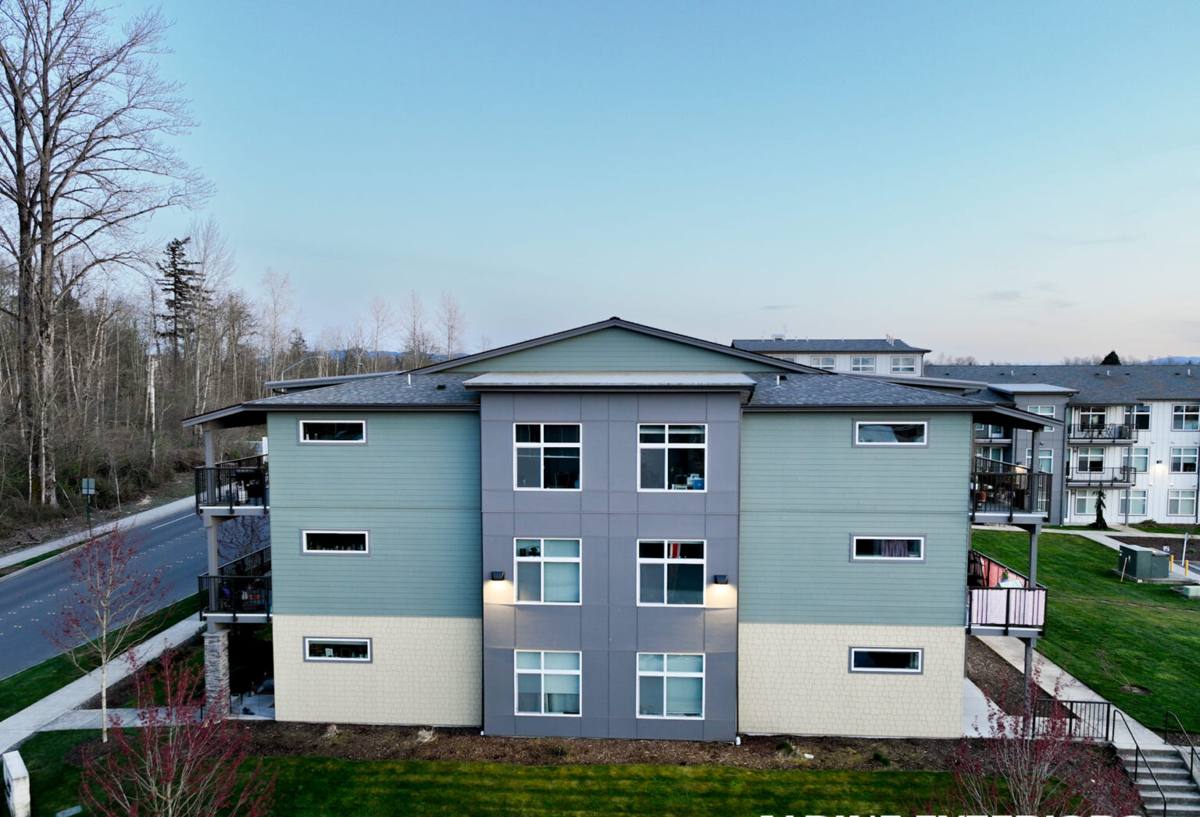
Signs a Silver Beach Roof Needs Replacing, Not Just Repairing
Age and Material Life Span
Most asphalt shingle roofs in this climate are realistically good for 18-25 years, depending on the product and how well the attic was ventilated when it went on. Cedar shake, if it was ever installed, tends to run shorter here because of how much moisture it absorbs and holds. If your roof is past the middle of its expected life span and starting to show wear, it's worth having it evaluated before you're choosing a roof in the middle of a leak.
Signs Beyond Age
A few things push a roof from "repair candidate" to "replace it" territory: shingles that are cupping, cracking, or losing granules across large sections rather than one isolated area; soft or spongy decking felt from the attic side; moss and lichen that have worked their way under shingle tabs rather than just sitting on the surface; and repeated leaks in different spots rather than one recurring trouble area. One or two of these in isolation might be a repair. Several at once usually means the underlying materials are failing broadly, and patching just delays the inevitable while spending money that won't count toward a new roof.
What a Correct Roof Replacement Actually Involves
A roof replacement done right in this climate is more than pulling off old shingles and nailing down new ones. Each of these steps matters specifically because of what Bellingham weather does to a roof over time:
Full Tear-Off and Deck Inspection
We remove the old roofing down to the decking rather than layering over it. That's the only way to actually see the plywood or plank decking underneath, which is where hidden moisture damage from years of wet weather tends to show up first. Soft, delaminating, or rotted decking gets replaced before anything new goes down — skipping this step is the single most common shortcut that leads to problems a few years later.
Moisture Barrier and Underlayment
Given how much sustained rain this area gets, we use synthetic or self-adhered underlayment rated for the exposure, with extra protection — ice-and-water shield style membrane — at eaves, valleys, and anywhere water tends to pool or back up. This is cheap insurance against the kind of slow-moving leaks that don't show up until they've already damaged framing.
Ventilation
An attic that can't breathe traps humid air against the underside of the decking, which accelerates rot and feeds moss and algae growth on the surface above. Balanced intake and exhaust ventilation is one of the most overlooked parts of a roof replacement, and it's often the difference between a roof that lasts its full rated life and one that fails early.
Flashing and Details
Chimneys, skylights, vent pipes, and roof-to-wall transitions are where the majority of roof leaks actually originate — not the open field of shingles. New step flashing, counter-flashing, and pipe boots are part of a correct replacement, not an upsell.
Roofing Material Options for Silver Beach Homes
There's no single "best" roofing material for every house — it depends on your roof's pitch, how much shade and tree cover you have, and your budget. Here's how the common options compare for this specific climate:
| Material | Typical Life Span | How It Handles Local Moisture & Moss | Relative Cost |
|---|---|---|---|
| Architectural asphalt shingles | 25-30 years | Good; algae-resistant granule options reduce staining and moss buildup on shaded slopes | Moderate |
| Standard 3-tab shingles | 15-20 years | Fair; thinner profile holds moisture longer and shows moss and wear sooner | Lower |
| Standing seam metal | 40-50+ years | Very good; smooth surface sheds water fast and gives moss little to grip | Higher |
| Cedar shake | 20-30 years with upkeep | Requires regular maintenance; absorbs moisture and is naturally more moss-prone in shaded areas | Higher |
For heavily shaded Silver Beach lots specifically, we lean toward steering homeowners away from products that hold moisture against the roof deck for long periods, simply because the maintenance burden in a shaded, moist microclimate is real. That's a professional judgment about upkeep and moisture behavior, not a knock on any manufacturer — plenty of these materials perform well in drier or sunnier settings.
Our Roof Replacement Process, Start to Finish
- On-site evaluation. We walk the roof and attic, check decking condition, ventilation, flashing points, and existing moss or moisture damage, and take measurements.
- Written estimate. You get a clear breakdown of materials, labor, and any decking repair allowance — no vague lump sums.
- Scheduling around the weather. Given how much rain this area gets, we plan tear-off and dry-in for weather windows that let us keep your home protected at every stage, and we stage materials so a section of roof is never left open overnight.
- Tear-off, deck repair, and dry-in. Old roofing comes off, decking issues get fixed, and underlayment goes down the same day whenever possible.
- Installation. New roofing, flashing, and ventilation components go in to manufacturer specifications, which is what keeps material warranties valid.
- Cleanup and walkthrough. Full magnetic sweep for nails, haul-away of old materials, and a walkthrough so you understand what was done and what to expect going forward.
Why a Crew That Already Works Silver Beach Matters
Roofing in a shaded, tree-covered neighborhood like this comes with logistics that don't come up on an open, sunny lot. Tighter driveways and setbacks can affect dumpster and material staging. Tree limbs close to the roofline need to be worked around or trimmed back before tear-off. And knowing which slopes in this kind of neighborhood tend to hold moisture longest helps us plan the job — and prioritize ventilation and moss-resistant material choices — before we've even pulled the first shingle.
A crew that's done several roofs in this specific area also knows the local permitting process with the City of Bellingham or Whatcom County, and won't be figuring that out for the first time on your job. That familiarity translates into fewer surprises and a smoother timeline.
Moss, Shade, and Long-Term Roof Care After Replacement
A new roof still has to live in the same climate as the old one. A few habits go a long way toward protecting your investment:
- Keep overhanging branches trimmed back so the roof gets more sun and air movement, which slows moss regrowth.
- Have gutters cleared at least twice a year — clogged gutters back water up under the roof edge, which is a common source of hidden rot.
- Have moss treated or gently removed as soon as it appears rather than letting it establish, since moss roots can lift shingle edges over time.
- Check attic ventilation isn't blocked by insulation or storage, since that's what keeps moisture from building up under the decking.
- Schedule a roof check after any major windstorm to catch lifted shingles or flashing issues early, before they become leaks.
Permits, Warranties, and What "Correct" Looks Like When We're Done
Roof replacement typically requires a permit, which we handle as part of the job. On materials, you're generally looking at two layers of coverage: the manufacturer's warranty on the shingles or panels themselves, and a workmanship warranty covering the installation. The manufacturer warranty only stays valid if the roof is installed to their specifications — proper nailing pattern, correct underlayment, adequate ventilation — which is another reason cutting corners during installation costs homeowners more than it saves. We'll walk you through exactly what's covered and for how long before work starts, in plain terms, not fine print you find out about later.
If your Silver Beach roof is showing its age, dealing with recurring moss, or you just want an honest read on how much life it has left, we're happy to take a look. Fill out the form below for a free, no-pressure estimate — we'll tell you straight whether you need a full replacement, a repair, or can reasonably wait another season.