 Bellingham
 Roof Replacement in Barkley: What This Climate Actually Demands
Barkley sits within Bellingham, inside the same Whatcom County weather system that shapes every roof in this part of the state. Salt air drifting in off the water, driving rain that arrives sideways more often than it falls straight down, and a moss season that runs far longer than in drier parts of Washington all put steady, cumulative load on a roof. None of it looks dramatic in any single storm. It's the accumulation, year after year, that separates a roof replacement built for this specific climate from one that was simply built to code minimums and hoped for the best.
When a Barkley roof reaches the point where repairs are just buying a season or two at a time, replacement is the honest answer. But a roof replacement is only as good as the details underneath the new material, and in this climate those details matter more than the shingle or panel brand on top of them.
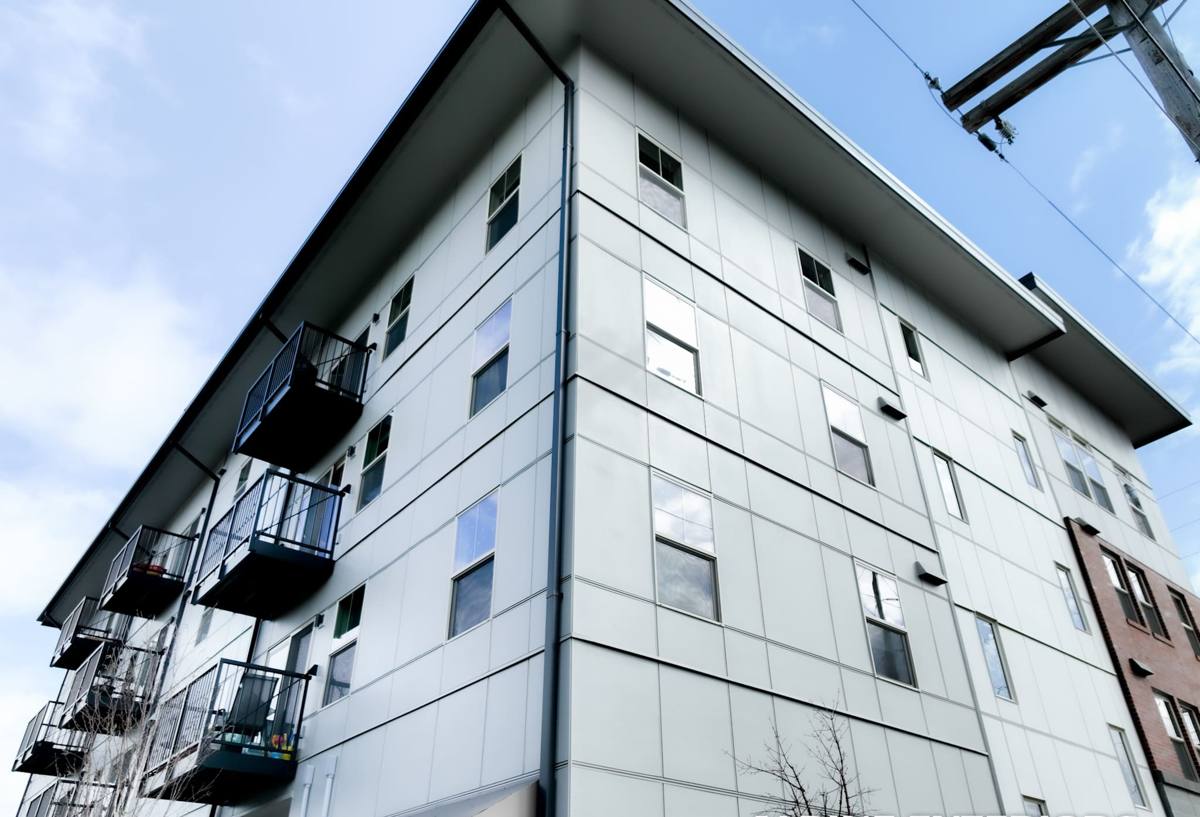
What Salt Air, Driving Rain, and Moss Do to a Roof Over Time
Salt Air and Corrosion
Salt-laden air moving through Bellingham doesn't just make things feel damp, it speeds up corrosion on exposed fasteners, flashing, and any metal component that isn't rated for sustained coastal exposure. A roof replacement that uses standard-grade fasteners or flashing metal instead of corrosion-resistant hardware can start showing rust streaks and loosening fasteners years before it should, long before the roofing material itself is actually worn out.
Wind-Driven Rain and Flashing Load
Rain in this part of Whatcom County frequently comes in at an angle instead of falling straight down. That matters at every valley, chimney, skylight curb, and roof-to-wall transition, because wind-driven rain gets pushed into gaps and up under lapped edges that a purely vertical rainfall model wouldn't need to account for. Flashing that's adequate in a calmer, drier climate can still leak here specifically because of how the water is being driven into it.
A Long Moss Season
Mild temperatures, tree cover, and near-constant dampness give moss an extended growing season on shaded and north-facing roof planes. Moss isn't just cosmetic, it holds moisture against the roofing surface, works its way under shingle tabs and shake courses, and can lift material enough to open a path for water where none existed before. A roof replacement that ignores which planes of the roof will stay shaded and damp longest is missing one of the biggest factors in how long that roof will actually last.
What a Correct Roof Replacement in Barkley Involves
Buying good roofing material is only part of a replacement. The parts nobody sees once the job is done are usually what determine whether it performs for its full rated life or starts leaking in year eight.
Full Tear-Off vs. Overlay
An overlay, installing new roofing over the existing layer, can look like a faster, cheaper option, but it also means whatever moisture damage, soft decking, or failed flashing is already hiding underneath stays hidden. In a climate where trapped moisture is the single biggest threat to a roof's lifespan, we treat full tear-off as the standard for a genuine replacement rather than a maintenance patch. Tear-off is also the only way to actually inspect and replace damaged decking before new material goes down.
Underlayment and Ice-and-Water Shield
The underlayment beneath the visible roofing is doing more of the real waterproofing work than most homeowners realize, and a minimum-code product isn't the same as one specified for sustained damp exposure. Ice-and-water shield at eaves, valleys, and other water-collection points adds a self-sealing membrane layer exactly where wind-driven rain and debris are most likely to find a weakness.
Flashing at Every Penetration
Chimneys, skylights, vent pipes, and roof-to-wall transitions are where the large majority of roof leaks actually start, not in the middle of an open shingle field. Correctly lapped, sealed, and corrosion-resistant flashing at each of these points is non-negotiable on a replacement, regardless of which roofing material goes on top.
Attic and Roof Deck Ventilation
A roof deck that can't breathe traps moisture from both directions, rain trying to get in from above and warm, humid interior air trying to escape from below. Proper intake and exhaust ventilation is part of a correct replacement, not an optional add-on, especially in a climate this consistently damp.
Roofing Material Options for Barkley Homes
There isn't one correct roofing material for every home. Roof pitch, how much shade the roof sees, budget, and how long you plan to stay in the house all factor into the decision. Here's how the common options actually compare in this specific climate.
| Material | Moss and Moisture Behavior | Typical Maintenance | Realistic Lifespan Here |
|---|---|---|---|
| Architectural asphalt shingle | Performs well with proper ventilation and moss-resistant granules; still needs periodic moss removal on shaded planes | Gutter checks and occasional moss treatment | 20-30 years |
| Standing seam metal | Smooth, non-porous surface sheds water and resists moss buildup better than most materials | Low; occasional fastener and sealant inspection | 40-60 years |
| Composite/synthetic shingle | Resists moisture absorption well; performance varies by product quality | Low to moderate | 30-50 years depending on product |
| Cedar shake | Absorbs moisture readily and needs airflow underneath to dry between rains | Higher; regular treatment and moss control needed | 20-30 years with consistent upkeep |
We'll walk a Barkley roof and talk through which option actually fits its pitch, shade exposure, and your budget, rather than steering every homeowner toward the same product regardless of the roof in front of us.
Repair or Full Replacement? How We Help You Decide
Not every roofing call in Barkley ends in a full replacement, and we don't default to recommending one. We look at the roof's age relative to its rated life, how much of the surface is affected, whether the decking underneath has moisture damage, and how many repairs the roof has already had. A single leak on an otherwise sound roof is usually a straightforward repair. A roof nearing the end of its service life with moss-related wear spread across multiple planes, or decking that's gone soft from long-term moisture, is more honestly addressed with a replacement than another round of patching. We'll walk you through what we actually find and why, rather than defaulting to whichever answer is more profitable for us.
Roof Replacement Cost Factors in Barkley
| Factor | What It Affects | Why It Matters Here |
|---|---|---|
| Roof size and pitch | Total material and labor | Steeper roofs and more complex rooflines take longer to detail correctly, especially at valleys |
| Tear-off vs. overlay | Labor scope and decking access | Full tear-off exposes hidden moisture damage that's common under aging roofing in this climate |
| Decking condition | Repair costs found once old roofing is off | Years of trapped moisture can rot decking before it's visible from the ground |
| Material selection | Upfront cost and long-term maintenance | Materials that shed moss and shed water well cost more upfront but ask less of you later |
| Site access and roof complexity | Labor time and equipment needs | Mature tree cover and multiple roof planes, common in Barkley, add setup and detail time |
Real numbers depend on the specific roof, which is why we walk the property and get on the roof itself before quoting rather than pricing off square footage alone.
Signs a Barkley Roof May Need Replacement
- Moss buildup on shaded or north-facing planes that returns quickly after cleaning
- Granules collecting heavily in gutters or at the base of downspouts
- Curling, cupping, cracking, or missing shingles across multiple areas of the roof
- Water staining on interior ceilings, especially near exterior walls or chimneys
- Soft spots or noticeable give when the roof deck is walked
- Daylight visible through the roof deck from inside the attic
- Flashing that looks lifted, rusted, or stripped of sealant
- A roof at or past the upper end of its material's realistic lifespan for this climate
Any one of these is worth a professional look before it turns into an interior repair on top of a roofing one.
Why a Crew That Already Works Barkley Matters
A crew that replaces roofs across Bellingham and the rest of Whatcom County regularly sees how salt air, driving rain, and moss actually behave on real roofs over years, not just how a product performs on a spec sheet. That shows up in specific decisions on tear-off day: which roof planes in a neighborhood like Barkley stay shaded and damp longest, how much ice-and-water shield a given valley genuinely needs, and which flashing details are worth the extra time so you're not dealing with a callback two winters later. It also means showing up with the right materials and crew size the first time, instead of learning a property's quirks through a mid-project surprise.
Roofing Alongside Siding, Windows, and Decks
A roof replacement doesn't happen in isolation from the rest of the house. Where a roofline meets a wall, how water sheds off the eaves onto siding below, and how a deck ledger board ties into the structure all interact with roof drainage. Because we also handle siding, windows, and decks, we can look at a Barkley property as one connected exterior system during a roof replacement, and flag related issues, like a wall that's been taking on water from a failing roof edge, instead of replacing the roof and leaving a connected problem for someone to find later.
If your Barkley roof is due for a replacement, showing its age, or you'd just like an honest read on how much life it has left, we're glad to take a look. Reach out using the form below to schedule a free, no-pressure estimate.