 Bellingham
 Why Birchwood Roofs Wear Differently Than Roofs Inland
Birchwood sits close enough to Bellingham Bay and the surrounding wetlands that its roofs deal with a combination most inland Whatcom County neighborhoods don't see in the same intensity: salt-laden air moving in off the water, wind-driven rain that gets pushed sideways under flashing and shingle edges, and heavy tree cover that keeps roof surfaces shaded and damp for weeks at a time. Any one of those factors will age a roof faster than normal. Together, they create a repair pattern that's noticeably different from what we see on a dry, open, south-facing roof across town.
That's the reason a "generic" roof repair approach falls short here. A repair that holds up fine in a drier part of the county can fail within a season or two on a Birchwood roof if it doesn't account for constant moisture exposure and the corrosion that comes with salt air. We've adjusted how we diagnose and repair roofs in this neighborhood specifically because of that.
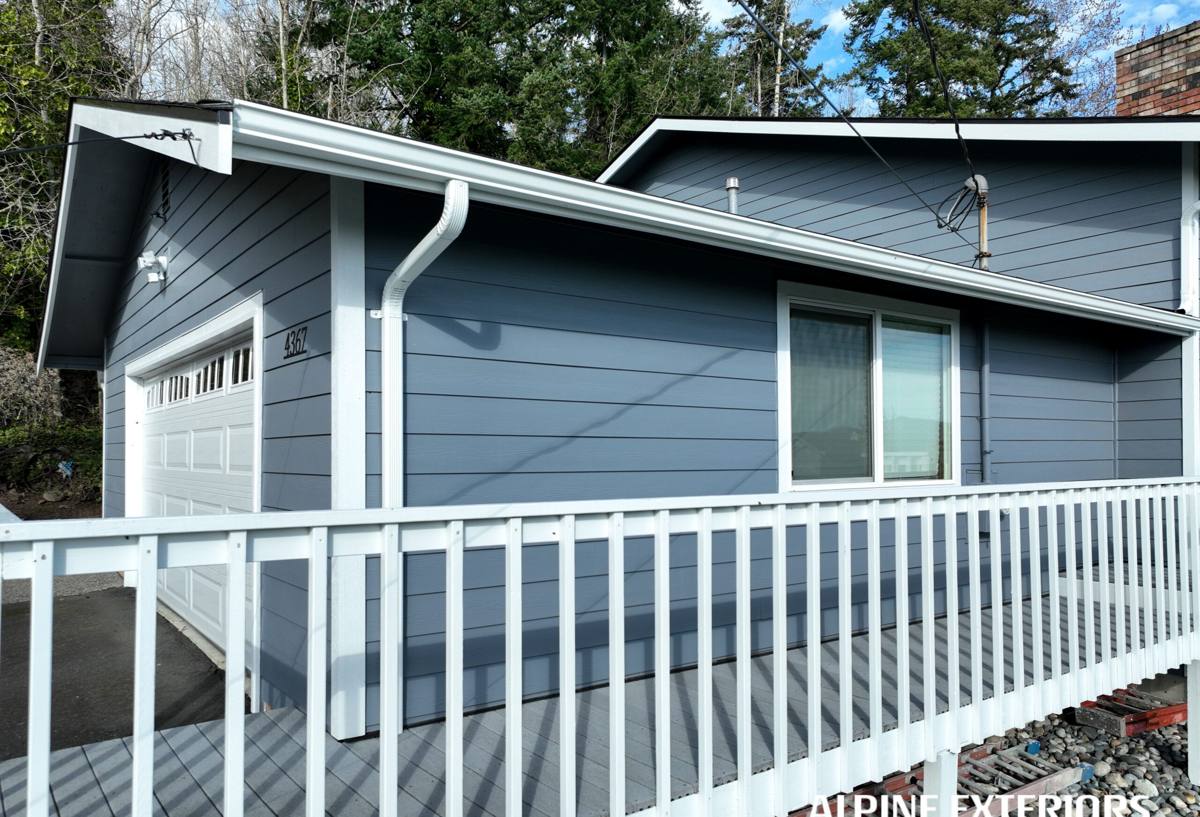
What Salt Air, Driving Rain, and Moss Actually Do to a Roof
Salt Air and Metal Components
Salt air accelerates corrosion on any exposed metal — flashing, fasteners, gutter hardware, vent caps, and metal drip edge. Once corrosion starts on a fastener or a flashing seam, it doesn't stay cosmetic for long. Rust weakens the metal's grip, seams open slightly, and water finds a path in that wasn't there when the roof was installed.
Driving Rain and Wind-Driven Water
Bellingham gets plenty of straightforward vertical rainfall, but the storms that do the real damage are the ones with wind behind them. Driving rain pushes water sideways and upward under shingle tabs, around chimney flashing, and into any gap that a calm, straight-down rain would never reach. Roofs that were installed correctly for normal rainfall can still develop leaks specifically because they weren't detailed for wind-driven water.
Moss and Prolonged Moisture
Tree cover and a long damp season give moss plenty of time to establish itself, especially on north-facing slopes and anywhere debris collects. Moss isn't just an appearance issue — it holds moisture directly against the roofing material, lifts shingle edges as it grows, and works its root structure into seams over time. A roof that stays wet under a moss mat for most of the year ages faster than the same roof kept clean and dry.
Signs a Birchwood Roof Needs Repair
Most roof problems we find in this neighborhood are catchable before they turn into interior damage, if someone knows what to look for. Walk your property periodically and watch for:
- Dark streaking or thick moss growth, particularly on shaded or north-facing slopes
- Granules collecting in gutters or at downspout outlets
- Shingles that look cupped, curled, or lifted at the edges
- Rust staining running down from flashing, vent pipes, or metal valleys
- Soft or discolored spots on interior ceilings, especially after a windy storm
- Daylight visible through the attic roof deck
- Gutters or downspouts pulling away from the fascia
- Missing or damaged shingles after high wind events
None of these automatically mean a full replacement. Most are exactly the kind of localized problem a proper repair is meant to solve.
What a Correct Repair Actually Involves
A repair that's done right doesn't just patch the spot where water is showing up inside the house — it addresses the actual entry point, which is often several feet away from the visible stain. That means:
Finding the Real Source
Water travels along the underside of the roof deck and rafters before it shows up on a ceiling. A repair based only on where the stain appears indoors will often miss the actual failure point, especially with wind-driven rain, which can enter well above where the interior damage shows.
Matching Materials and Technique to the Exposure
On a Birchwood roof, that usually means corrosion-resistant fasteners and flashing rather than standard-grade hardware, careful attention to how flashing is lapped and sealed at chimneys and valleys, and shingle or underlayment work that accounts for wind uplift, not just standard rainfall.
Removing the Underlying Moisture Problem
If moss or debris caused or contributed to the failure, the repair isn't complete until that material is cleared and the area is treated so the problem doesn't return in a few months. Patching over an active moss mat is a short-term fix at best.
Repair or Replace: How We Help You Decide
Not every roof that's showing problems needs to come off. We look at the age, the extent of the damage, and whether the issues are isolated or spread across the whole roof.
| Factor | Points Toward Repair | Points Toward Replacement |
|---|---|---|
| Roof age | Under 15-20 years, within expected lifespan for the material | At or past the material's typical service life |
| Damage pattern | Isolated to one section, flashing point, or slope | Spread across multiple slopes or recurring in different spots |
| Shingle condition | Granule loss and wear limited to the damaged area | Widespread granule loss, brittleness, or curling across the roof |
| Deck condition | Roof deck is solid where inspected | Soft, delaminated, or rotted decking found |
| History of repairs | First or second repair needed | Repeated repairs to the same or nearby areas over a short span |
We'll tell you honestly which side of that table your roof falls on. If a repair will genuinely hold, we recommend the repair — a roof that doesn't need replacing yet doesn't need one.
Our Repair Process
1. Full Roof Inspection, Not Just the Trouble Spot
We look at the whole roof, not just the area you called about. Flashing, valleys, vents, gutters, and moss coverage all get checked, since problems in this climate rarely stay isolated for long.
2. Clear Explanation Before Any Work Starts
You'll know what we found, what's causing it, and what the repair involves before we touch anything — including whether we think repair or replacement is the right call.
3. The Repair Itself
We remove damaged material back to solid, dry decking, address the actual water entry point, and rebuild the area with materials suited to the exposure — not just whatever's fastest to install.
4. Moss and Debris Cleanup Where It Contributed to the Problem
If moss or trapped debris played a role, we clear it and address drainage so the repair isn't undone by the same conditions within a year.
5. Final Walkthrough
We show you what was done and what to watch for going forward, especially if there are other areas of the roof worth keeping an eye on.
Why We Avoid Cutting Corners on Materials Here
It can be tempting to use standard-grade fasteners and flashing on a repair because they're cheaper and more available. In a coastal, high-moisture neighborhood like Birchwood, that's a trade-off we're not willing to make on our own work. Standard galvanized hardware can start showing corrosion within a few years in salt air, which means a repair done with the wrong materials can fail again well before it should have. Using corrosion-resistant fasteners and properly detailed flashing costs a little more upfront and holds up considerably longer — which is the whole point of a repair in the first place.
Why Local Experience Matters for This Job
A roofing crew that regularly works in Birchwood already knows which slopes tend to hold moss, which flashing details tend to fail first under wind-driven rain, and how quickly a small leak here can turn into rot if it's ignored through a wet Whatcom County winter. That's not something you get from a one-size-fits-all repair approach — it comes from doing this work in this specific neighborhood, on this specific roofing climate, repeatedly. It shows up in fewer callbacks and repairs that are built for the conditions your roof actually faces, not generic conditions.
Keeping a Repaired Roof in Good Shape
A well-done repair still benefits from basic upkeep, especially given the moss and moisture this area deals with year-round:
- Keep gutters and downspouts clear so water isn't backing up under the roof edge
- Trim back overhanging branches to cut down on shade and debris buildup
- Have moss treated before it becomes a thick mat, not after
- Schedule a roof check after major windstorms, not just once a year
- Watch for the early warning signs listed above between inspections
If you're dealing with a leak, visible moss buildup, or storm damage on a Birchwood roof, we're happy to take a look and give you a straight answer about what it needs. Reach out for a free, no-pressure estimate using the form below.