 Bellingham
 New-Construction Windows vs. Replacement — Two Different Jobs
A lot of homeowners lump "new windows" together, but a new-construction install and a replacement install are not the same trade. Replacement windows go into an existing rough opening, usually with minimal disturbance to the siding around them. New-construction windows go in during framing, before siding, house wrap, or trim exist — which means the window itself is only half the job. The other half is building a water management system around it that has to work for the next 30-plus years without anyone opening a wall to check on it.
For a new build or an addition in Ferndale, that distinction matters more than it might inland. Ferndale sits close enough to Bellingham Bay and the Nooksack River delta that wind-driven rain and salt-laden air are a regular part of the weather, not an occasional event. Windows and their surrounding flashing have to be installed correctly the first time, because this isn't a climate that's forgiving of shortcuts.
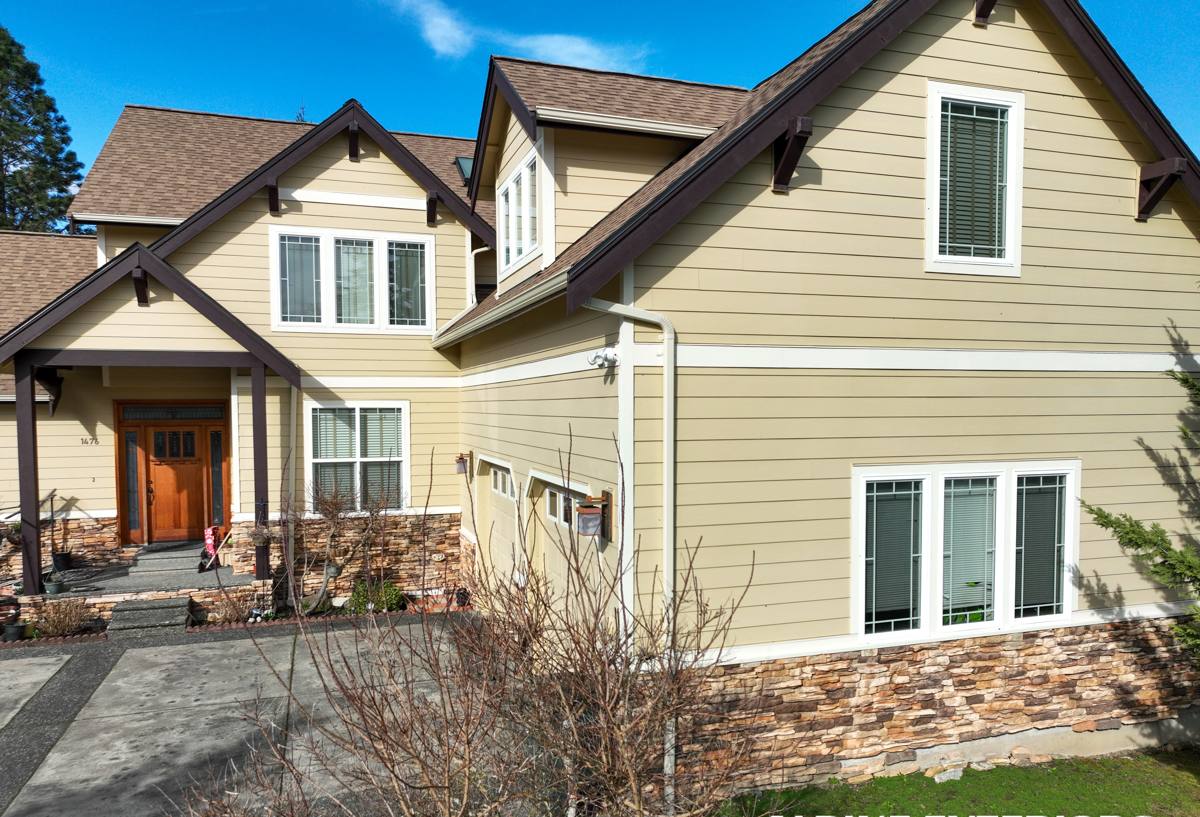
What Ferndale's Climate Asks of a New Window Install
Whatcom County gets a long, wet fall-through-spring stretch, and Ferndale's low-lying, near-coastal position adds salt air on top of the rain. That combination shows up in a few specific ways when it comes to windows going into new construction:
- Driving rain — wind off the water pushes rain sideways into wall assemblies, not just straight down, so flashing has to shed water outward and downward, not just cover the top of the opening.
- Salt air — airborne salt accelerates corrosion on fasteners, hardware, and unprotected metal flashing over time, which affects material choices around the window as much as the window unit itself.
- Long moss season — months of damp, low-sun conditions mean any spot where water can pool or linger against wood trim or sheathing becomes a moss and rot risk within a few seasons.
- Humidity load — new construction traps a lot of moisture in framing lumber and sheathing before it dries out, so window openings need to drain, not seal in, any residual moisture.
None of this means a new build in Ferndale needs exotic materials. It means the installation details — flashing laps, sill pans, sealant placement — have to be done in the right order, every time, because a mistake here doesn't show up as a leak for a year or two, and by then it's a framing repair, not a caulk fix.
Water Management: The Part That Actually Prevents Rot
Flashing Sequence
Every rough opening gets flashed in a specific shingle-lap order so water always moves down and out, never into a seam that traps it: sill pan first, then the window unit, then jamb flashing, then head flashing last, lapped over the weather-resistant barrier above it. Skip a step or flash out of order and you've built a spot for water to collect behind the siding instead of draining away from it — invisible from the outside, and expensive once it's found.
Sill Pans and Drainage
A sloped sill pan under the window is non-negotiable on new construction here. It gives any water that gets past the window — from wind-driven rain, condensation, or a future failed seal — a way out instead of a place to sit against bare framing. In a climate with Ferndale's rain totals and moss season, a flat or missing sill pan is one of the most common reasons a "new" window ends up with rot at the sill within five to ten years.
Sealant and Fastener Choices
We use exterior-grade sealants rated for sustained moisture exposure, not general-purpose caulk, and we pay attention to fastener material near the coast — salt air corrodes the wrong metal faster than most homeowners expect, and a corroded fastener at a flashing lap is a leak waiting to happen.
Choosing Frame Material and Glazing for a New Build Here
New construction gives you a real choice of frame material, since you're not constrained by an existing opening. For Whatcom County's wet, salt-air, low-sun climate, the trade-offs generally look like this:
| Frame Material | How It Handles This Climate | Maintenance |
|---|---|---|
| Vinyl | Won't rot or corrode; performs well against moisture and salt air | Low — occasional cleaning |
| Fiberglass | Very stable in temperature and moisture swings; strong long-term option near the coast | Low |
| Aluminum-clad wood | Good exterior weather resistance; interior wood look | Moderate — exterior clad, interior finish needs periodic attention |
| Bare wood | Requires diligent finish maintenance to resist the long moss/rain season | High — repainting/resealing on a schedule |
We don't push one brand over another — our standard is about how a frame material and its installation details hold up to sustained damp and salt exposure, not brand loyalty. If you already have a builder-preferred product, we'll install it correctly to the same water-management standard described above.
Glazing
Double-pane, low-E glazing with argon fill is the practical baseline for new construction in this region — it manages both the marine-layer damp and the heat loss from Whatcom County winters. Triple-pane is available where a homeowner wants the extra performance, but for most Ferndale builds, a good double-pane unit installed correctly outperforms a premium unit installed poorly.
Meeting Washington's Energy Code Without Overpaying
Washington's energy code sets minimum U-factor and solar heat gain requirements for new construction, and your window schedule has to hit those numbers to pass inspection. The mistake we see is homeowners or builders over-buying performance in windows that don't need it — for example, spending on a deep triple-pane package for a small north-facing utility room where a code-compliant double-pane unit does the job. We review the window schedule against the code requirements early, so every opening gets a product matched to its orientation and use, not a blanket upgrade across the whole house.
Our Process on a New-Construction Job
- Review the plans and window schedule alongside the builder or homeowner, checking sizes, egress requirements, and energy code compliance before ordering.
- Confirm rough openings are framed square and to spec before window delivery — this is the single most common cause of installation delays.
- Install sill pans, then windows, then flashing in the correct shingle-lap sequence tied into the weather-resistant barrier.
- Seal and insulate around the frame per manufacturer specification — not overpacked with foam, which can bow a frame out of square.
- Walk every opening before siding goes on, since this is the last point where a flashing issue can be corrected without tearing into finished work.
Coordinating With Your Builder or GC
On most new-construction projects, we're one trade among several, working on a schedule set by a general contractor. That means clear communication about when openings will be framed-ready, when windows arrive, and when siding crews need us finished. We've worked enough new builds around Ferndale and the wider Bellingham area to know how to slot into a GC's schedule without becoming the trade that holds everything else up — and to flag a framing issue immediately rather than working around it and hoping it doesn't matter.
Before Window Install Day: A Quick Checklist
- Rough openings framed square, level, and to the exact window schedule dimensions
- Weather-resistant barrier installed and lapped correctly above and below the opening
- Window schedule confirmed against energy code U-factor and SHGC requirements
- Sill pan material and flashing tape on site and rated for sustained moisture exposure
- Delivery schedule confirmed so units aren't sitting exposed on site longer than necessary
- Site walk scheduled with the GC before siding crews start, to catch any issue while it's still cheap to fix
Why Local Experience in Ferndale Matters
A flashing detail that works fine in a drier part of the state can fail here within a few wet seasons. Crews who mainly work inland or in milder microclimates sometimes underestimate how much driving rain and salt air a Ferndale build actually takes on, and that shows up later as water intrusion nobody can trace back to the install. Working new-construction windows regularly in this specific stretch of Whatcom County means we're not guessing at how much water management is enough — we build to what this climate actually demands, every time, whether it's a single addition or a full new home.
If you're planning new construction or an addition in Ferndale and want windows installed right the first time, we're happy to walk the plans with you and put together a straightforward, no-pressure estimate. Use the form below to get started.