 Bellingham
 Building New in Barkley? The Windows Deserve as Much Attention as the Roofline
Barkley is one of Bellingham's more active areas for new single-family construction and infill building, and the window package on a new build is one of those decisions that's easy to rush through during framing and finish selections — but it's also one of the hardest things to correct once siding, trim, and interior finishes are closed up around it. New-construction window installation is fundamentally different from a retrofit or replacement job. There's no existing frame to work around, no old flashing to inspect and patch. You get one shot to build the window opening, the flashing, and the weather barrier correctly from the studs out. In Whatcom County, where the marine climate sends driving rain sideways for months at a time, that first-time installation is what determines whether a house stays dry for the next 30 years or starts showing stains and soft trim by year eight.
This page is specifically about new-construction window work for homes going up in and around Barkley — not a general window replacement page. The considerations are different, the sequencing with other trades is different, and the climate demands here are specific enough that it's worth talking through before your framer closes in the rough openings.
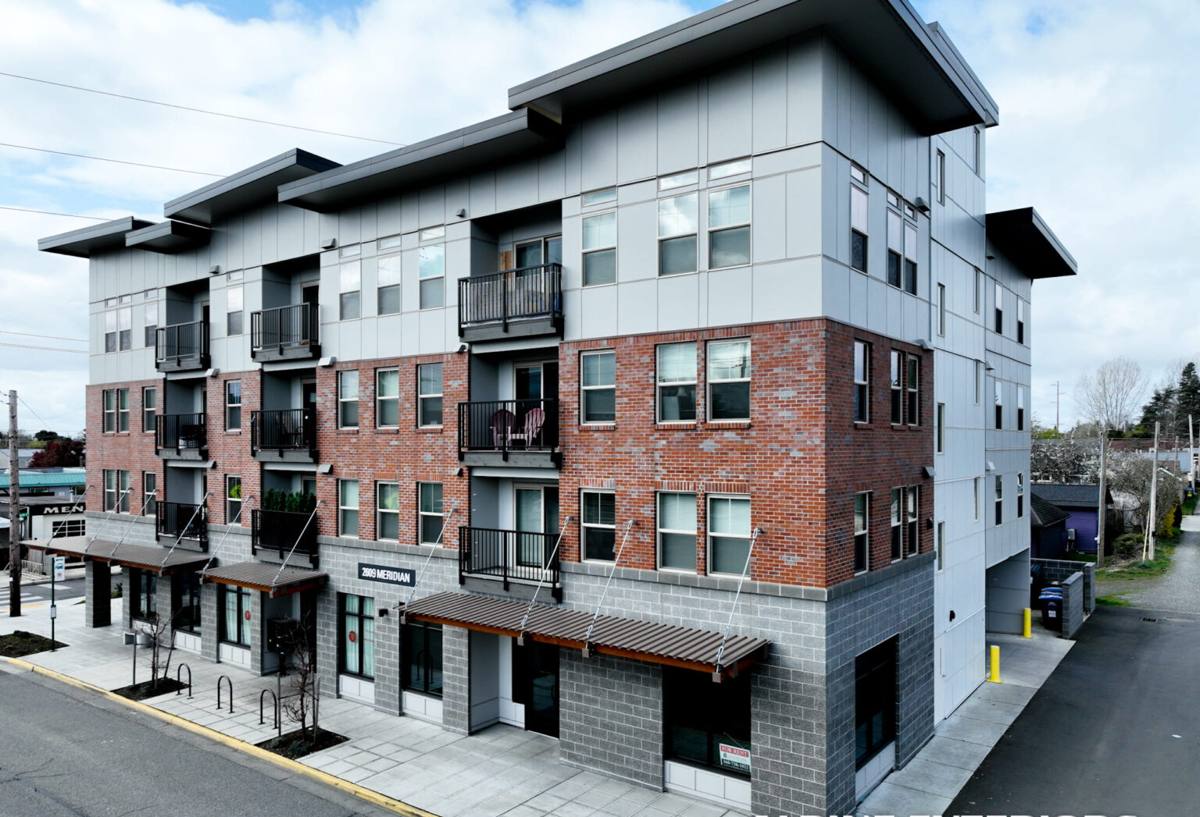
What Bellingham's Climate Actually Does to a New Window Installation
Whatcom County sits right on the edge of the Salish Sea, and that proximity shapes almost every exterior decision on a new build, windows included.
- Salt-laden air: Being this close to marine air means fasteners, flashing metals, and window hardware are exposed to a slow, steady corrosive load year-round. Cheap or mismatched metals at the flashing and fastener level corrode faster here than they would inland, and that corrosion is invisible until it's already compromised the seal.
- Driving, wind-driven rain: Bellingham doesn't just get rain — it gets rain pushed horizontally by wind off the water for extended stretches, especially in fall and winter. A window opening that relies on caulk alone, without proper flashing and drainage planning, will eventually leak. It's a matter of when, not if.
- A long moss and algae season: Extended damp periods encourage moss and algae growth on any horizontal or semi-horizontal surface that holds moisture, including window sills, trim, and head flashing. Detailing that doesn't shed water cleanly gives moss a place to establish, and moss holds moisture against building materials long after the rain stops.
None of this is exotic or unusual for this part of Washington — it's just consistent, and consistency is what wears down a mediocre installation over time. New construction is the best possible point to get ahead of it, because you're building the water management system into the wall assembly instead of fighting it later.
What "Correct" New-Construction Window Installation Actually Involves
The Rough Opening and Flashing Sequence
Every window opening needs to be built as a small drainage system, not just a hole cut to size. That means a sill pan (sloped or flashed to shed water outward, not inward), properly lapped flashing tape at the jambs and head that integrates with the house wrap in the correct shingle-lap order, and a head flashing detail that kicks water away from the top of the window rather than letting it run down the face of the frame.
Integration With the Weather-Resistive Barrier
The window flashing has to tie into the house wrap or weather barrier in the right sequence — bottom to top, so each layer sheds onto the one below it, the same way roof shingles work. Get this order wrong, even slightly, and you've built a path for water to work its way behind the barrier instead of over it. This is one of the most common points of failure we see when new construction gets inspected years later, and it's completely avoidable with correct sequencing at install time.
Sealant Is a Backup, Not the Primary Defense
Caulk and sealant have a service life — they dry out, crack, and shrink well before the house does. A properly flashed opening will stay dry even if the sealant eventually fails, because the mechanical flashing is doing the real work. An opening that depends on sealant as its primary water defense is one bad caulk job away from a leak.
Level, Plumb, and Square Before Anything Else
New-construction framing tolerances vary, and a window that goes in slightly out of square will bind, won't seal evenly, and will stress its own hardware over time. Shimming correctly at the right points — not just at the corners — keeps the frame from racking as the house settles.
Our Process for New Builds in Barkley
- Plan review and product selection. We look at your building plans, window schedule, and elevations before framing is finalized, so sizing, egress requirements, and product selection are locked in early — not adjusted after the openings are already framed.
- Rough opening verification. Before any window goes in, we check that openings are framed to correct dimensions, square, and structurally sound. Catching a framing issue before installation is far cheaper than catching it after.
- Sill pan and flashing installation. Every opening gets a proper sill pan and a flashing sequence built to integrate correctly with your home's weather barrier, following manufacturer requirements for the specific window line being installed.
- Window setting, leveling, and fastening. Units are set plumb, level, and square, shimmed at manufacturer-specified points, and fastened per the product's installation instructions — not a generic one-size-fits-all method.
- Insulation and interior air sealing. The gap between frame and rough opening is insulated and air-sealed properly, which matters as much for energy performance as it does for preventing condensation inside the wall cavity.
- Exterior trim and final flashing tie-in. Head flashing, trim, and any building wrap laps are finished so the whole assembly sheds water the way it's supposed to, long-term.
- Walkthrough. We go over operation, hardware, and care with whoever's overseeing the build, before we consider the job done.
Choosing Windows for a Barkley Build: What Actually Matters Here
Homeowners and builders in this area are usually choosing between vinyl, fiberglass, and clad-wood window lines. There isn't one universally "correct" answer — it depends on budget, the home's design, and how much long-term maintenance you want to take on. What we won't do is recommend a product or installation shortcut that trades short-term cost savings for long-term moisture problems in a climate that doesn't forgive that kind of shortcut.
| Factor | Vinyl | Fiberglass | Clad-Wood |
|---|---|---|---|
| Upfront cost | Lowest | Mid-range | Highest |
| Dimensional stability in temperature swings | Moderate — can expand/contract more | High — very stable | High, with proper cladding maintenance |
| Moisture/rot resistance at frame | Good, frame itself won't rot | Excellent | Good on exterior clad side; interior wood needs care |
| Long-term maintenance | Low | Low | Moderate — periodic exterior inspection |
| Typical use case | Cost-sensitive new builds | Higher-performance, energy-focused builds | Custom/architectural builds wanting a wood interior look |
Whichever line you choose, the installation quality matters more to long-term performance than the material choice itself. A well-installed vinyl window will outperform a poorly flashed high-end wood window every time in a climate like ours.
A Pre-Drywall Checklist Worth Reviewing With Your Builder
- Are rough openings verified square and to correct dimensions before window delivery?
- Is there a sloped or pre-formed sill pan at every opening, not just caulk at the sill?
- Does the flashing tape integration follow proper shingle-lap order with the house wrap?
- Are fasteners and flashing metals compatible with each other to avoid galvanic corrosion in salt-influenced air?
- Is interior air sealing and insulation completed around each frame before drywall closes the wall up?
- Has someone verified operation (locking, opening, closing) on every unit before final trim goes on?
If your builder or window installer can't answer these clearly, it's worth asking before the wall is closed up — because after drywall, verifying any of this means opening the wall back up.
Why Local Installation Experience Matters for a Barkley Project
New-construction window installation isn't a specialty skill in the abstract — plenty of crews can set a window plumb and level. What makes the difference in Whatcom County is knowing how the specific combination of driving rain, marine air, and long wet stretches actually behaves against a building over years, not just during the walkthrough. A crew that regularly works in and around Bellingham has already seen what happens when flashing sequencing gets rushed on a job like this, and builds accordingly the first time. That's not a guess — it's pattern recognition from doing this kind of work in this specific climate, on homes not far from Barkley, season after season.
We also coordinate directly with builders and general contractors, working around your framing and siding schedule rather than around a generic installation timeline, so window work doesn't become the bottleneck on your build.
Get a Straightforward Estimate for Your Barkley Build
If you're planning a new build in Barkley or elsewhere in the Bellingham area and want a straight answer on window installation — timeline, product options, and what correct flashing actually costs to do right — we're glad to walk through it with you. Reach out for a free, no-pressure estimate using the form below.