 Bellingham
 New-Construction Windows in Lynden: Getting It Right the First Time
If you're building a new home in or around Lynden, the windows you choose and how they're installed will quietly determine how that house performs for the next 30 to 50 years. Windows aren't just an appliance you bolt into a hole in the wall — on a new build, they're part of the wall assembly itself, tied directly into the framing, the weather-resistive barrier, and the flashing system that keeps water out. Get that integration wrong and you won't see it for a few years, until staining shows up on interior trim or a sill starts to soften. Get it right, and it's one less thing you ever have to think about.
Whatcom County's marine climate doesn't make this easier. Even set back from the water the way Lynden is, the same weather systems that push salt-laden air and driving rain into Bellingham's waterfront neighborhoods bring long, wet winters and a moss season that can stretch from fall through spring across the whole county. New-construction windows here need to be installed with that reality in mind from day one, not treated like they would be in a drier climate.
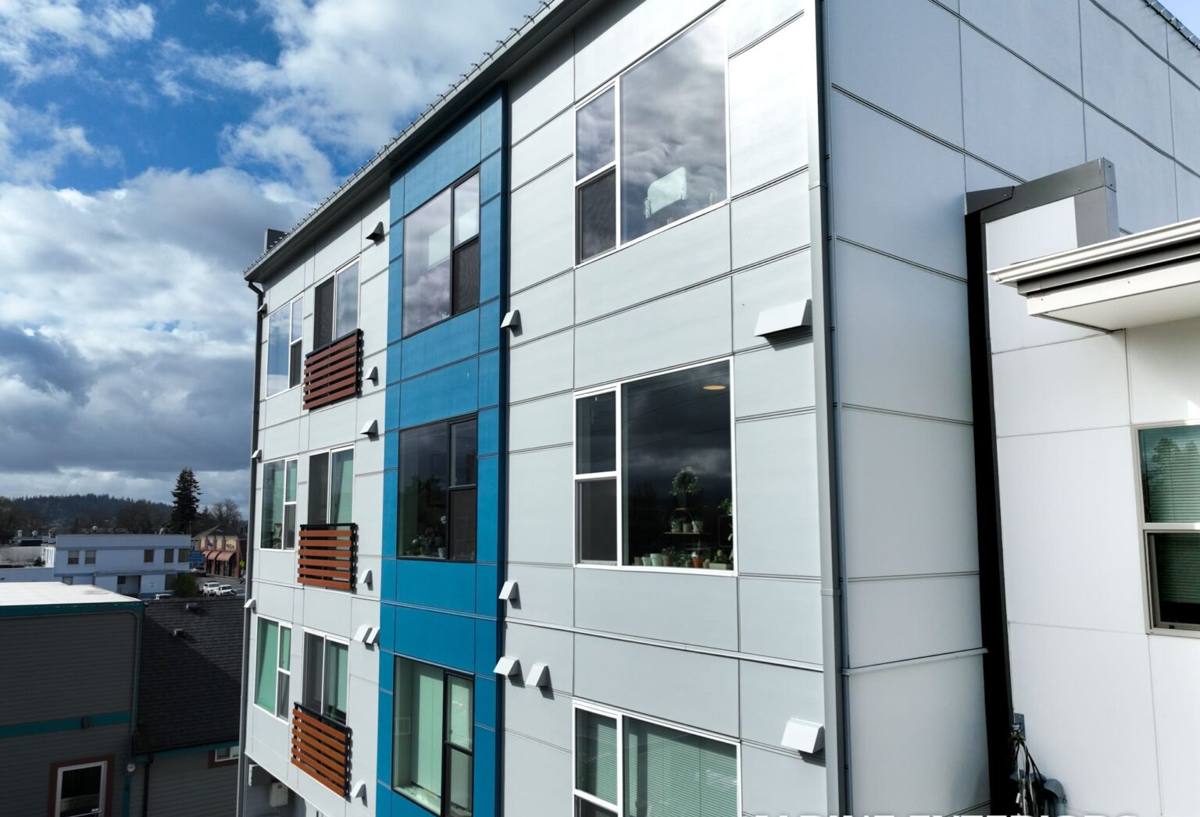
Why New Construction Is the Only Time You Get a Clean Shot at This
With a replacement window, the installer is working with what's already there — an existing rough opening, existing flashing, existing siding tied into the wall. With new construction, there's no shortcut and no excuse: the rough opening, the weather-resistive barrier (WRB), the flashing, and the window itself all go in together, in sequence, before the siding ever closes it up.
That sequencing matters more than almost anything else in the entire install. A window that's perfectly caulked around the trim but was never flashed correctly underneath the nailing fin will leak — slowly, invisibly, into the wall cavity rather than onto the floor where you'd notice it. New construction is the one point in a home's life where every layer of that system is exposed and accessible at the same time. Once the siding goes on, that opportunity is gone for decades.
What Lynden's Climate Actually Demands From a Window Install
Driving Rain and Wind-Driven Moisture
Whatcom County doesn't just get a lot of rain — it gets a lot of wind-driven rain, which behaves very differently than a straight-down shower. Wind-driven rain gets pushed sideways and upward under laps, fins, and trim that would stay dry in calmer weather. That's why sill pan flashing, back-dammed sills, and properly shingled (top-lapped) flashing tape aren't optional extras on a Lynden new build — they're the baseline for keeping water from ever reaching the framing.
Moss, Algae, and Prolonged Dampness
The long moss season in this part of Washington isn't just a roof problem. Anywhere moisture sits — a window sill that doesn't shed water cleanly, a horizontal trim board, a poorly sloped exterior sill — moss and algae will eventually take hold. On new construction, this is solved with correct sill slope and drainage detailing at install, not with a pressure washer five years down the road.
Condensation From the Inside
New homes are built tighter than older ones, which is good for energy bills but changes how humidity behaves indoors. Properly specified glass packages and correctly sealed frames reduce interior condensation on cold mornings — a detail that matters as much to window performance here as the exterior weather does.
Choosing Window Products for a New Whatcom County Build
There's no single "best" frame material for every new-construction project — the right choice depends on budget, the home's design, and how much long-term maintenance you want to take on. Here's how the common options generally compare for our climate:
| Frame Material | Moisture Resistance | Maintenance | Typical Fit |
|---|---|---|---|
| Vinyl | Good; won't rot, handles wet climates well | Low — occasional cleaning | Value-focused and mid-range new builds |
| Fiberglass | Excellent; very stable in temperature and moisture swings | Low | Homes wanting durability with a slimmer sightline |
| Wood-clad | Good on the exterior clad face; interior wood needs protection from moisture | Moderate to high — finish upkeep over time | Homes prioritizing a traditional interior wood look |
| Aluminum | Fair; prone to condensation without thermal breaks | Low | Modern designs with narrow-frame aesthetics |
Whichever frame material you land on, we install to the manufacturer's specific flashing and fastening instructions — that's what keeps the warranty intact and what actually determines how the window performs in our weather, more than the material itself does. We also talk through glass packages at this stage: low-E coatings and argon fill are standard on most new-construction packages now, and the right coating package depends on which direction the window faces and how much afternoon sun that wall gets.
Washington State Energy Code and New-Construction Windows
New construction in Washington has to meet the state energy code, which sets maximum U-factor requirements for windows based on the home's overall compliance path. This isn't a box to check after the fact — window selection has to be part of the energy compliance plan from the design stage, because window area and performance directly affect the rest of the home's insulation and mechanical requirements.
We work from the plans and the energy compliance documentation your builder or designer provides, and we make sure the windows ordered actually match what was submitted for permit. A mismatch between what's on the energy code worksheet and what shows up on the truck is one of the most common — and most avoidable — causes of delay on new-construction jobs.
Our New-Construction Window Installation Process
- Plan review and takeoff. We work from your architectural plans or your builder's window schedule to confirm sizes, styles, swing directions, and egress requirements before anything is ordered.
- Product selection and ordering. We help you choose frame material and glass package based on budget, orientation, and energy code targets, then place the order with enough lead time to avoid holding up framing.
- Rough opening verification. Before install day, we confirm every rough opening is square, plumb, and correctly sized — catching framing issues now is far cheaper than catching them after siding is on.
- WRB and flashing integration. We install sill pan flashing, then the window, then jamb and head flashing shingled in the correct order over the weather-resistive barrier, so water is always directed outward and down.
- Air sealing and insulation. The gap between the rough opening and the window frame is sealed and insulated correctly — not overpacked with expanding foam, which can bow frames and cause operational problems.
- Final inspection and sign-off. We check operation, seal integrity, and flashing laps before the wall closes up, and we're glad to walk your builder or inspector through the details on request.
Working With Your Builder or General Contractor
Window installation on a new build doesn't happen in isolation — it has to be sequenced correctly with framing, house wrap, and siding crews. We coordinate directly with your general contractor or builder to make sure windows go in at the right point in the schedule, with the WRB already lapped correctly underneath and ready for siding to close over our flashing work without any gaps.
We also communicate clearly if we find something during rough opening verification that needs to be corrected before we can proceed — an out-of-square opening, a header issue, or a WRB detail that doesn't match the window manufacturer's requirements. Flagging that early, while it's still an easy fix, is part of doing the job right.
The New-Construction Window Installation Checklist
Whether you're hiring us or evaluating another crew, this is what a correct new-construction window install should include:
- Rough openings verified square, plumb, and correctly sized before install
- Sloped sill pan flashing installed under every window, not just caulk at the sill
- Flashing tape shingled in the correct order (sill, then jambs, then head) so water always sheds outward
- Weather-resistive barrier properly lapped over the head flashing, not tucked behind it
- Windows shimmed and fastened per manufacturer specifications, not just foamed into place
- Insulation and air sealing around the frame that doesn't bow or distort the window
- Interior and exterior operation tested before the crew leaves the site
- Installation documented to keep the manufacturer's warranty valid
Why Hire a Crew That Already Works in Lynden
A lot of window problems in new construction don't show up as installation mistakes in the obvious sense — they show up as a mismatch between generic installation habits and what this specific climate actually requires. A crew that mostly works in drier parts of the country may not default to sloped sill pans or fully shingled flashing laps, because in their normal conditions, a lighter approach mostly gets away with it. In Whatcom County's driving rain and long wet season, it doesn't.
Working regularly in and around Lynden also means we're familiar with the local building department's inspection expectations, the pace and rhythm of new-construction schedules in this area, and the realities of coordinating with the framers, siders, and builders who are also on these job sites every week. That local familiarity translates into fewer surprises, fewer callbacks, and a window installation that's built for the weather it actually has to stand up to.
If you're planning a new build in Lynden and want windows specified and installed correctly from the start, we're happy to walk through your plans and put together a free, no-pressure estimate — just fill out the form below.