 Bellingham
 Blaine's Coastal Climate Asks More of a Window Than Most Manufacturers Assume
Blaine sits right on the water, close to the Canadian border, in a part of Whatcom County that gets a steady diet of salt-laden air, wind-driven rain, and a moss season that can stretch for most of the year. That combination is harder on exterior building products than people expect. Windows here don't just have to keep weather out — they have to hold up against airborne salt that accelerates corrosion on hardware and fasteners, near-constant moisture that finds its way into any gap in the flashing or sealant, and long stretches of damp, low-sun conditions that let algae and moss get a foothold on frames, sills, and trim.
A window that's perfectly fine in a drier inland climate can start failing early in Blaine if it wasn't specified or installed with this environment in mind. That's the whole reason a page like this exists — Custom Windows isn't a generic product decision here, it's a decision that has to account for what this specific stretch of Whatcom County throws at a house year-round.
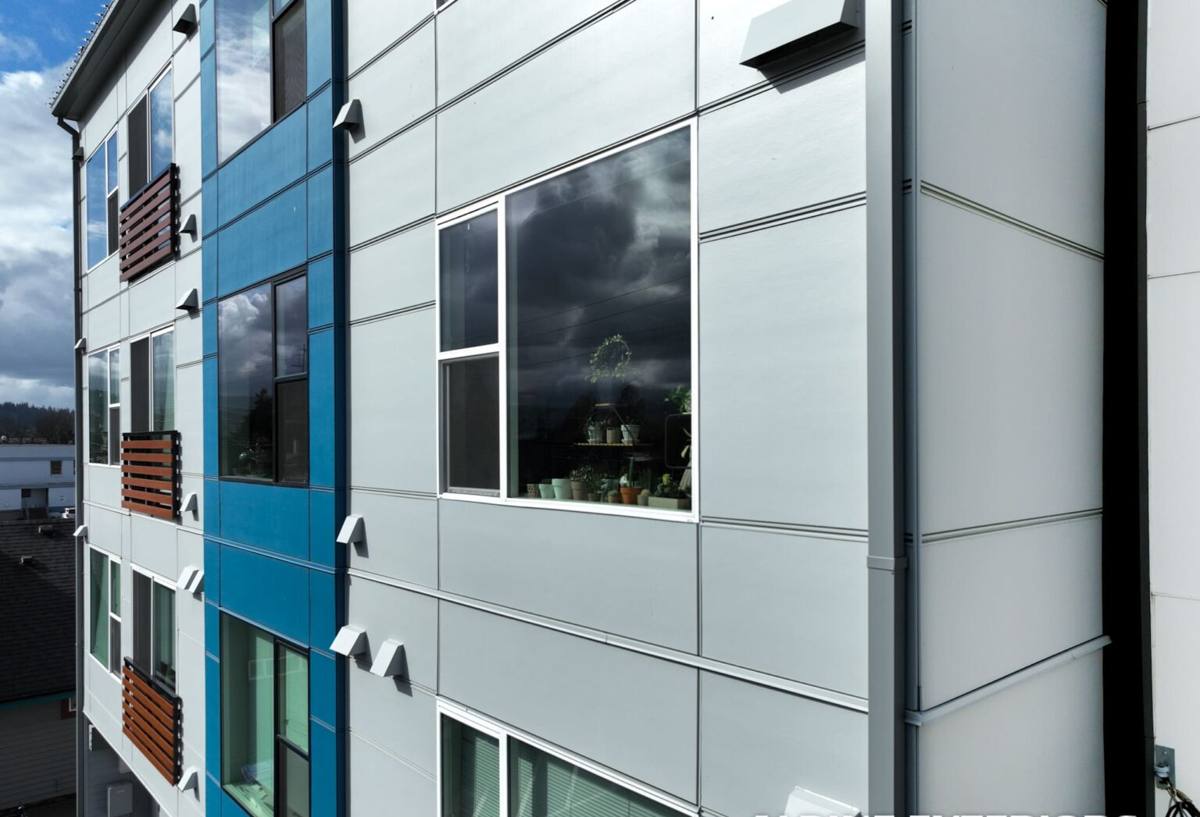
What Salt Air, Rain, and Moss Actually Do to a Window Over Time
Salt Air
Salt-laden air is corrosive to metal hardware — hinges, locks, balance systems, and screws — especially on windows that face open water or prevailing wind. Once corrosion starts on a lock mechanism or a balance spring, the window gets harder to operate, and a window that's hard to operate usually gets forced, which is how seals and frames get damaged.
Driving Rain
Wind-driven rain doesn't fall straight down — it gets pushed sideways into wall assemblies, testing every seam around a window opening. A window that's watertight in calm conditions can still leak in a sideways storm if the flashing, sill pan, and sealant weren't detailed for wind-driven exposure. This is one of the most common reasons we get called out to older Blaine homes: not a bad window, but a window that was never flashed correctly for this climate in the first place.
Moss and Algae
Extended damp, shaded conditions let moss and green algae grow on horizontal surfaces — sills, exterior trim, and the tops of frames — especially on the north and west sides of a house. Beyond the appearance issue, moss holds moisture against wood trim and can work into hairline gaps in caulking, which speeds up rot in surrounding trim even when the window unit itself is sound.
What a Correct Window Job Involves in This Environment
Replacing or installing windows correctly in Blaine isn't just about picking a good window — it's about how the opening is prepared and sealed. The window is only as good as the details around it.
- Removing old units carefully to expose the rough opening and check the sheathing underneath for hidden water damage before anything new goes in
- Installing a properly sloped sill pan so any water that gets past the outer seal drains out instead of sitting against the framing
- Flashing the head, jambs, and sill in the correct shingled sequence so water is always directed outward and downward, never trapped
- Using sealants and flashing tapes rated for sustained moisture exposure, not just general-purpose caulk
- Selecting corrosion-resistant hardware and fasteners suited to a salt-air environment
- Confirming the window is level, plumb, and square before final fastening, so weatherstripping compresses evenly on all sides
- Sealing and insulating the gap between the window frame and rough opening without over-packing it, which can bow the frame
Skip any one of these steps and the window can look fine for a year or two before a leak shows up inside the wall, where it's much more expensive to fix than it would have been to do right the first time.
Choosing Frame Materials That Hold Up Near the Water
Frame material matters more in Blaine than it would a few miles inland. Some materials handle salt air and constant moisture better than others, and some require more upkeep than a homeowner may want to take on.
| Frame Material | Salt Air / Moisture Behavior | Maintenance Load | Typical Fit for Blaine |
|---|---|---|---|
| Vinyl | Won't corrode or rot; handles humidity well | Low — occasional cleaning | Strong all-around choice for most homes |
| Fiberglass | Very stable in moisture and temperature swings; resists warping | Low | Good for higher-exposure walls facing the water or prevailing wind |
| Wood / Wood-Clad | Attractive but the exposed wood side is vulnerable to moisture and moss if not maintained | Higher — regular painting/sealing needed | Best reserved for protected elevations, or interior-only wood with a clad exterior |
| Aluminum | Prone to corrosion and condensation in salt air unless heavily treated | Moderate to high | We generally steer clients away from bare aluminum on exposed elevations here |
We're not against wood or aluminum windows as a category — they have their place and their appeal. Our standard for Blaine homes just weighs how much upkeep a homeowner is signing up for against how exposed a given wall is to salt air and driving rain. On a sheltered courtyard wall, wood-clad can be a fine choice. On a wall facing open water and prevailing wind, we'll usually recommend vinyl or fiberglass and explain why.
Glass and Weatherstripping Choices That Actually Matter Here
Beyond the frame, two other components make a real difference in this climate:
Glass Package
Double-pane, low-E glass with an argon or krypton fill is the practical standard for this region — it manages the condensation risk that comes with cool, humid air meeting a warmer interior, and it helps with energy performance during Whatcom County's long stretches of overcast, damp weather. Failed seals (fogging between panes) are one of the most common window complaints we see on older homes, and it almost always traces back to a worn-out edge seal rather than the glass itself.
Weatherstripping and Compression Seals
Weatherstripping wears faster in an environment with constant moisture and salt exposure. Look for durable, replaceable compression seals rather than adhesive-backed foam strips that degrade quickly. A window with good glass but tired weatherstripping will still leak air and let moisture creep in around the sash.
Our Process for a Blaine Custom Windows Project
- On-site assessment — we look at each window opening, check for existing water damage, moss buildup, or corrosion, and note which elevations face the most weather exposure
- Measuring and product selection — windows are measured and specified for each opening, factoring in exposure, style, and budget rather than a one-size-fits-all package
- Opening prep — removal of old units, inspection and repair of any damaged sheathing or framing found underneath
- Sill pan and flashing installation — built for wind-driven rain, not just standard vertical rainfall
- Window installation — set level, plumb, and square, with corrosion-resistant fasteners and hardware
- Sealing and insulation — interior and exterior sealing done to keep moisture out without trapping it inside the wall assembly
- Final walkthrough — every window opened, closed, and locked to confirm smooth operation before we call the job done
Signs Your Current Windows Are Already Losing the Battle
Homeowners often wait longer than they should to address window problems because the early signs are easy to write off. In a climate like Blaine's, these are worth acting on sooner rather than later:
- Fogging or a hazy film between the panes of double-pane glass (a failed seal)
- Windows that are stiff, sticky, or hard to lock — often a sign of hardware corrosion
- Soft or discolored trim around the window frame, especially on north- or water-facing walls
- Visible moss or green growth building up on sills or the tops of frames
- A draft you can feel near the frame even when the window is closed and locked
- Peeling paint or bubbling finish on wood trim near the window opening
- Water staining on interior drywall or trim below or beside a window
Any one of these on its own might just mean a caulking touch-up. Several of them together, especially on the same window, usually means the unit or its flashing has reached the end of its useful life.
Living With Your Windows Through a Long Moss Season
Even a well-installed window benefits from some seasonal attention in this climate. Rinsing sills and frame tops periodically to keep moss and algae from establishing themselves goes a long way, as does checking that weep holes (the small drainage openings at the bottom of the frame) stay clear of debris so water can actually drain instead of pooling. Wood trim exposed to the weather should be inspected for cracked paint or checking before it becomes a moisture entry point. None of this is heavy maintenance, but it's more than a homeowner in a drier climate would ever need to think about — and it's part of what we walk clients through after installation.
Why a Crew That Already Works in Blaine Makes a Difference
Window installation standards don't change by zip code, but the judgment calls do. Knowing which elevations on a given lot take the brunt of wind-driven rain, how much salt exposure a particular street or shoreline-facing block typically sees, and how long moss season really runs here changes decisions about flashing detail, hardware selection, and which frame material makes sense on which wall. A crew that works this area regularly isn't guessing at that — it's applied every job. That local familiarity, paired with installation standards that don't cut corners on flashing or sealing, is what keeps a Custom Windows project performing years down the road instead of needing rework after the first hard winter storm off the water.
Ready to Talk About Your Windows?
If your current windows are showing any of the wear signs above, or you're planning a Custom Windows project for a Blaine home and want it done right for this coastal climate, we're happy to take a look. Fill out the form below for a free, no-pressure estimate — we'll assess your specific openings and exposure and walk you through options that make sense for your home and budget.