 Bellingham
 Why Cordata Roofs Wear Differently Than Roofs Farther Inland
Cordata sits close enough to Bellingham Bay and the Salish Sea that salt-laden air is a real factor in how a roof ages here, not just a talking point. Metal fasteners, flashing, and vent components corrode faster near the water than they do twenty or thirty miles inland. Layer on Whatcom County's long stretch of driving rain each fall and winter, and a moss season that can run eight months or more under the neighborhood's heavy tree cover, and you have a climate that is genuinely tougher on roofing than what homeowners in drier parts of the state deal with. A roof replacement done correctly in Cordata has to account for all three factors together — salt exposure, wind-driven rain, and sustained dampness — not just swap old shingles for new ones and call it done.
This matters because a roof that would perform fine in eastern Washington can fail early here if it's installed without the right underlayment, flashing details, and ventilation for a wet marine climate. The materials, fastener choices, and workmanship all need to be matched to what Bellingham actually throws at a roof over a Pacific Northwest winter.
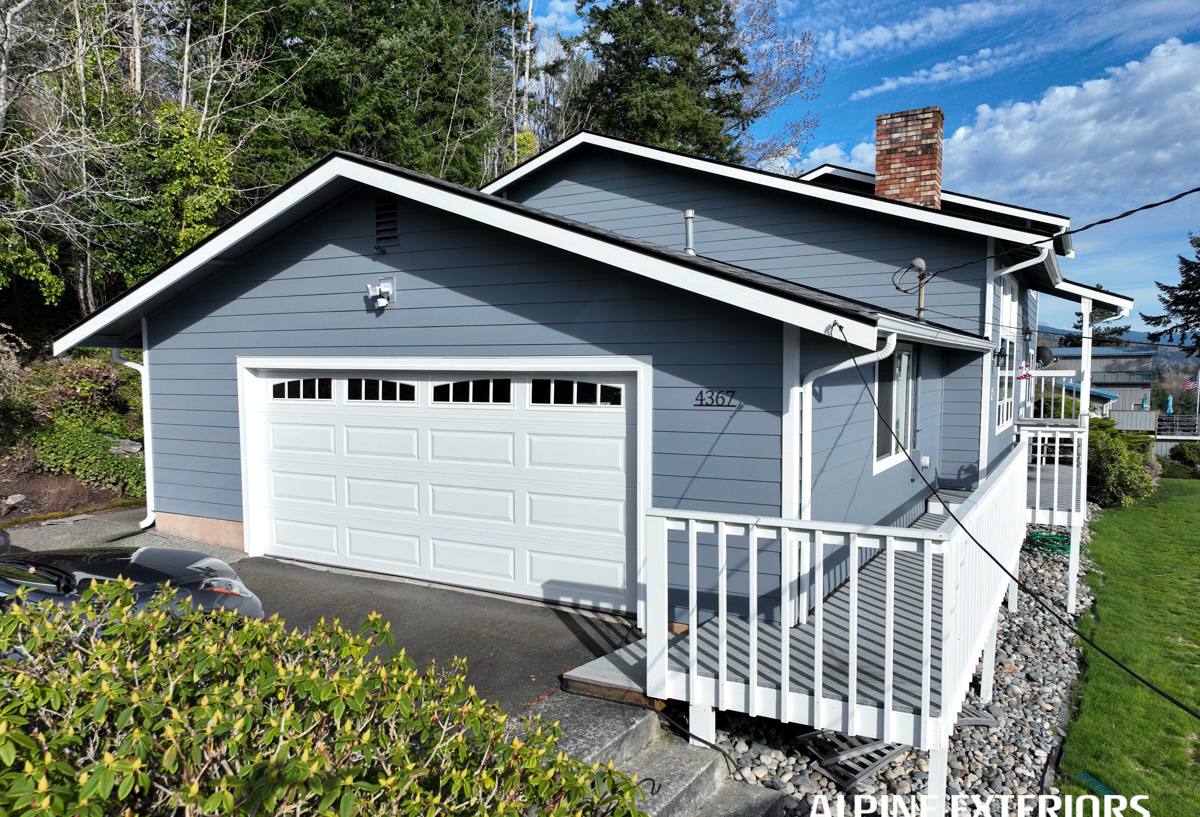
Signs Your Cordata Home May Be Ready for a New Roof
Most roofs don't fail all at once — they show warning signs for a year or two first. Homeowners in this neighborhood should watch for a combination of the following, especially if the home has shaded areas or north-facing slopes that stay damp longer after a storm.
- Shingles that are cupping, curling at the edges, or shedding granules in patches
- Moss or algae streaking that returns within a season or two of cleaning
- Soft or spongy spots underfoot when the roof is walked, a sign the decking has absorbed moisture
- Rust staining or visible corrosion around flashing, pipe boots, or exposed fasteners
- Daylight visible through the roof boards from inside the attic, or damp insulation after a heavy rain
- A roof approaching or past the 20-year mark for standard asphalt shingles, or showing heavy wear earlier than that if it's been shaded and damp for most of its life
Any one of these on its own might just mean a repair. Two or three together, especially on an older roof, usually means it's time to start pricing a full replacement before a small problem becomes water damage to the decking, framing, or interior of the home.
What a Correct Roof Replacement Involves Here
Full Tear-Off and Deck Inspection
A proper replacement starts with removing the roof down to the decking — not layering new shingles over old ones. That's the only way to actually see the condition of the plywood or plank decking underneath, which is where moisture damage from Bellingham's wet winters tends to hide. Any soft, delaminated, or rotted decking gets replaced before anything new goes down. Skipping this step is the single most common reason a roof fails years ahead of schedule in a climate like ours.
Underlayment and Ice-and-Water Membrane
Whatcom County doesn't get the deep snow loads of the Cascades, but it gets plenty of horizontal, wind-driven rain off the water, and the occasional freeze that can back up water at eaves and valleys. Self-adhering ice-and-water membrane at eaves, valleys, and around penetrations, combined with a quality synthetic underlayment across the rest of the roof, is what keeps that wind-driven rain from working its way under the shingles and into the deck.
Flashing and Ventilation
Flashing around chimneys, skylights, and wall intersections is where most roof leaks actually start, and it's also where salt air does the most damage to lower-grade metal over time. Correct flashing means new metal, not reused pieces, sized and formed to shed water rather than just cover a gap. Balanced attic ventilation matters just as much — a roof that can't breathe traps moisture underneath it, which accelerates rot on the deck and feeds the moss and algae growth this area is already prone to.
Choosing Materials That Hold Up to Salt Air and Moss
There's no single "best" roofing material for every home in Cordata — the right choice depends on the home's exposure, roof pitch, tree cover, and budget. Here's how the common options compare for this specific climate.
| Material | Typical Lifespan | Moss/Algae Resistance | Upkeep in This Climate |
|---|---|---|---|
| Standard architectural asphalt | 20-25 years | Moderate — benefits from regular cleaning | Periodic moss removal, especially on shaded slopes |
| Algae-resistant (AR) asphalt shingle | 25-30 years | Higher — copper-infused granules slow regrowth | Still needs occasional inspection and gutter clearing |
| Standing seam metal | 40-50+ years | High — smooth surface sheds moss more easily | Low, but fastener and flashing quality is critical near the coast |
| Cedar shake/shingle | 20-30 years with upkeep | Lower — porous wood holds moisture and feeds moss | Higher — periodic treatment and cleaning needed |
For most Cordata homes, an algae-resistant architectural asphalt shingle offers the best balance of upfront cost, appearance, and resistance to the moss problem the neighborhood's tree cover creates. Homes with significant shade or a longer-term ownership horizon sometimes do better with metal, which sheds moisture faster and holds up better to salt exposure over decades. We'll walk through the honest trade-offs for your specific roof rather than pushing one product across every house.
Moss and Shade: An Ongoing Maintenance Reality
Cordata's mature trees and greenbelt-adjacent lots are part of what makes the neighborhood appealing, but they also mean many roofs here spend a large part of the year shaded and damp. North-facing slopes and areas under overhanging branches are where moss establishes first, and once it takes hold, it lifts shingle edges and traps moisture against the roof surface — which is exactly the condition that shortens a roof's life fastest.
A correct replacement addresses this two ways: choosing a moss-resistant material where the budget allows, and installing zinc or copper strips near the ridge on shaded roofs, which release trace metal ions with each rain that inhibit regrowth lower on the slope. Neither of these eliminates the need for occasional cleaning, but together they cut down how often it's needed and reduce the damage moss does between cleanings.
Our Roof Replacement Process
Inspection and Estimate
We start with a full roof and attic inspection, not just a look from the ground. That includes checking decking condition where accessible, current ventilation, flashing condition, and how much of the roof stays shaded or damp longer than the rest. You get a written estimate that spells out material options and what's actually driving the price.
Material Selection
Once we know the roof's condition and exposure, we walk through material options suited to it — not a one-size-fits-all recommendation. This is where we discuss moss resistance, lifespan, and cost trade-offs specific to your home's shade and slope.
Tear-Off and Deck Repair
Full removal of the old roofing, inspection and repair of any compromised decking, and disposal handled as part of the job — no leftover debris in yards or gutters afterward.
Install and Weatherproofing
New underlayment, ice-and-water membrane at vulnerable points, new flashing, correct ventilation, and the chosen roofing material installed to manufacturer specification, which is also what keeps material warranties valid.
Final Walkthrough
We walk the finished job with you, confirm cleanup is complete, and go over care and maintenance specific to your roof's exposure — including how often it should reasonably be inspected for moss given the tree cover on the property.
Permits and Local Requirements
Roof replacement in Bellingham typically requires a building permit, and the process runs through the City of Bellingham or Whatcom County depending on exactly where a property sits relative to city limits. We handle that paperwork as part of the job rather than leaving it for the homeowner to sort out. We also coordinate disposal of old roofing material through licensed haulers, which matters for a full tear-off given the volume of debris a complete roof generates.
Why Hiring a Crew That Already Works in Cordata Matters
A roofing crew that works this neighborhood regularly already knows which streets sit closer to prevailing wind off the bay, which lots hold shade long enough to need extra moss protection, and how local building and permitting requirements apply here specifically. That local knowledge shows up in small decisions — where to add extra ice-and-water membrane, which flashing details need reinforcing, how to sequence a tear-off around Bellingham's unpredictable rain windows — that a crew unfamiliar with the area might miss. It also means faster response if something needs attention after the job is done, rather than waiting on a contractor based well outside the county.
What Drives the Cost of a Roof Replacement in Cordata
Every roof is priced individually, but the same handful of factors move the number up or down on most jobs in this neighborhood.
| Factor | Why It Matters Here |
|---|---|
| Roof size and pitch | More surface area and steeper pitches mean more material and labor time |
| Decking condition | Moisture damage common in shaded, damp areas can require deck replacement, not just re-shingling |
| Material choice | Standard shingle, algae-resistant shingle, and metal carry different upfront costs and lifespans |
| Flashing and ventilation scope | Older homes often need flashing and vent upgrades to meet current standards |
| Tree cover and access | Heavily shaded or tight-access lots can add time for setup, protection, and cleanup |
Broad ranges vary widely based on these factors, which is why we prefer to give homeowners a real number after seeing the roof rather than a generic estimate that doesn't reflect the actual job.
If your Cordata roof is showing its age, holding onto moss it shouldn't, or just due for a straight answer about what it needs, we're glad to take a look. Request a free, no-pressure estimate using the form below and we'll walk the roof with you before recommending anything.