 Bellingham
 New-Construction Windows for Columbia Homes
Columbia sits close enough to Bellingham Bay and the surrounding wetlands that its homes take a different kind of weather beating than houses further inland in Whatcom County. Salt-laden air off the water, wind-driven rain that comes in sideways during winter storms, and a long stretch of the year when moss and moisture just sit on exterior surfaces — all of that matters when you're putting new windows into a home under construction or a major addition. New-construction windows aren't the same product or the same install as a replacement window dropped into an existing opening, and getting that distinction right is the difference between windows that perform for decades and windows that start leaking within a few winters.
This page covers what new-construction window installation actually involves, what Columbia's climate demands from the work, and how we approach it as a crew that already knows this part of Bellingham.
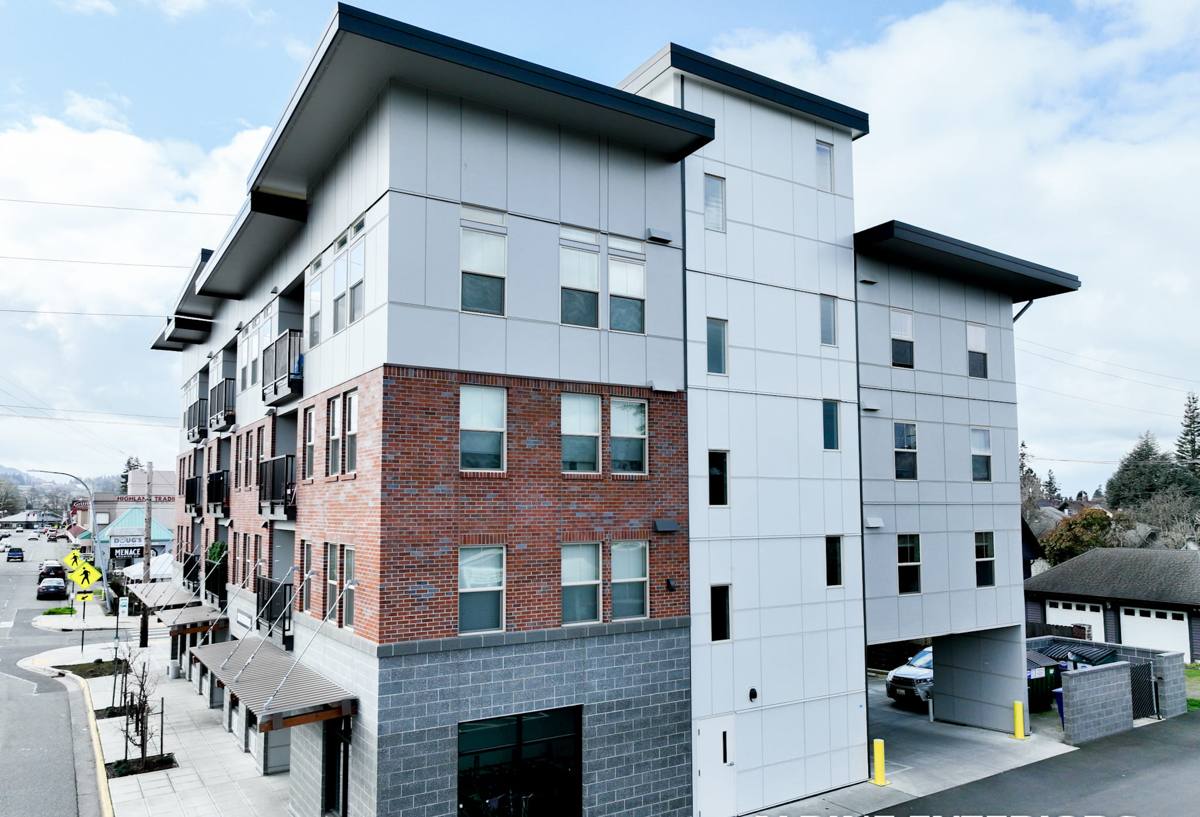
New-Construction vs. Replacement: Why It Matters Here
A new-construction window has a nailing fin (sometimes called a nail flange) built into the frame. That fin gets fastened directly to the sheathing and integrated into the home's weather-resistive barrier before siding goes on. A replacement window, by contrast, is designed to fit into an existing finished opening without disturbing the exterior wall assembly. If your project involves new framing, an addition, or a full siding tear-off in Columbia, new-construction windows are almost always the right call — they let us build the flashing and drainage plane correctly from scratch, which is exactly what a wet, wind-exposed lot needs.
The trade-off is that new-construction windows demand more from the install itself. There's no forgiving that fin once siding is on. Flashing sequencing, sill pan installation, and house-wrap integration all have to happen in the right order, the first time.
Why This Distinction Gets Missed
Homeowners are sometimes quoted "window installation" without anyone specifying which type is being installed, and on new framing or additions, that ambiguity causes real problems. A replacement-style install on new framing skips the sill pan and flashing integration a new-construction opening is supposed to get, leaving a gap in the drainage plane exactly where wind-driven rain is going to test it hardest.
What Bellingham's Climate Asks of a New Window Install
Three regional conditions drive most of our decisions on a Columbia job:
Salt Air and Corrosion
Proximity to the bay means airborne salt settles on exterior hardware and fasteners over time. We favor corrosion-resistant fasteners and hardware at window openings near the water, and we're careful about mixing metals in flashing details — galvanic corrosion between dissimilar metals is a slow, quiet failure mode that shows up years later as staining or hardware seizing.
Driving Rain
Storms here don't just fall straight down — wind pushes rain sideways against west- and south-facing walls. That means head flashing, sill pans, and end-dam details at every window opening need to actually shed water outward and down, not just sit there decoratively. A sill pan with a back dam and properly lapped house-wrap is non-negotiable on any wall that takes weather directly.
Moss and Sustained Moisture
Whatcom County's moss season is long, and it's really a proxy for something else: extended periods where exterior surfaces stay damp. Wood-adjacent trim and sills near new windows need either factory-clad protection or a paint/sealant plan that accounts for months of low sun and high humidity, not just a coat of caulk at install.
What a Correct Installation Involves
A properly installed new-construction window in this climate follows a specific sequence, and skipping steps is where leaks start — sometimes not for a year or two, which is part of why cutting corners here is so tempting for less careful crews.
- Rough opening checked for square, level, and correct sizing before the window ever arrives on site
- Sill pan flashing installed with a back dam, sloped or drained toward the exterior
- House-wrap or weather-resistive barrier cut and prepped in the correct shingle-lap order
- Window set, shimmed level and plumb, and fastened through the nailing fin per manufacturer spec
- Flashing tape applied at jambs and head, lapped over the sill pan and under the house-wrap above
- Interior air sealing (low-expansion foam or backer rod and sealant) — this is an energy and comfort detail, not just a weatherproofing one
- Exterior sealant at trim and cladding transitions, sized and placed for movement, not just gap-filling
Every one of those steps matters more in Columbia than it would in a drier, more sheltered part of the county, because the wall assembly is going to get tested by real weather within the first year, not eventually.
Our Process on a Columbia Job
We start with a site visit and a look at the framing plans or existing rough openings, not just a phone quote. From there:
- Measure and verify — rough openings are checked against actual window schedules, not assumed from plans, since framing tolerances vary job to job
- Material and product selection — we walk through frame material, glazing package, and performance ratings based on the wall's sun and wind exposure
- Ordering and lead time — window lead times vary by manufacturer and season; we give you a realistic timeline up front instead of an optimistic one
- Installation — following the sequence above, with flashing and sill pan work treated as the most important part of the job, not an afterthought
- Final inspection — operation check on every unit, exterior sealant review, and a walkthrough with you before we call it done
Frame Material Comparison
Frame choice affects how a window handles Bellingham's damp, salt-touched air over the long run. Here's how the common options stack up for a coastal Whatcom County install:
| Frame Material | Moisture Behavior | Maintenance | Relative Cost |
|---|---|---|---|
| Vinyl | Won't rot or corrode; performs well near salt air | Low — occasional cleaning | Lower |
| Fiberglass | Very stable dimensionally, strong moisture resistance | Low | Higher |
| Wood-clad (vinyl or aluminum exterior) | Good if cladding stays intact; interior wood still needs protection from condensation | Moderate — watch cladding seams and interior finish | Higher |
| Aluminum | Durable but a poor thermal performer unless thermally broken; can show corrosion near salt air over time without the right finish | Low to moderate | Varies |
We don't push one material as universally "best" — it depends on the wall's exposure, your budget, and how the rest of the home's envelope is built. What we will steer you away from is any product or install shortcut that trades short-term savings for a wall that stays wet on the inside, since that's the failure mode this climate actually produces.
Why a Local Columbia Crew Matters
Whatcom County's building code and inspection expectations around flashing and weather-resistive barriers aren't unusual, but a crew that regularly works Columbia and nearby Bellingham neighborhoods already knows how local inspectors want flashing details documented, what wind exposure a given lot orientation typically sees, and how the bay's salt air behaves on hardware over a few winters — not in theory, but from having gone back to check on past work. That local pattern recognition is what keeps a new-construction window install from becoming a callback a year later.
It also means straightforward scheduling. We're not routing a crew in from across the state for a single job; we're already working in the area, which keeps lead times honest and follow-up easy if you ever have a question about a window we installed.
Questions to Ask Before Hiring Anyone for This Job
- Will you install a proper sill pan with a back dam at every opening, not just caulk and go?
- How do you sequence flashing tape relative to the house-wrap — over or under, and why?
- What frame materials do you recommend for this specific wall's sun and wind exposure, and why?
- What's the realistic lead time for the windows you're specifying, given current manufacturer schedules?
- Will someone walk the finished install with me and explain what was done at each opening?
Any contractor who can't answer those clearly and specifically probably hasn't thought through the parts of the job that actually determine whether the windows perform in Columbia's weather.
Get a Free, No-Pressure Estimate
If you're planning new construction, an addition, or a full siding replacement in Columbia and need windows installed correctly the first time, we're happy to take a look at your project and walk you through options honestly — no pressure, no upsell. Use the form below to request a free estimate.