 Bellingham
 Windows Built for Columbia's Coastal Conditions
Columbia sits close enough to Bellingham Bay that its homes take a different kind of weather beating than houses further inland in Whatcom County. Salt-laden air moves in off the water and settles on everything it touches, including window hardware, frame seams, and exterior trim. Add Bellingham's driving rain, which comes in sideways more often than straight down during a real winter storm, and a long, damp moss season that keeps north-facing surfaces wet for weeks at a stretch, and you have a climate that is genuinely hard on window systems that weren't built or installed with that combination in mind.
A window that performs fine in a drier part of the state can fail here in ways that show up slowly: hardware that starts to pit and stick, glazing seals that give out early, sills that stay damp long enough to feed mold and soft wood, and frame corners that let wind-driven rain work its way in during a hard blow off the water. Custom windows for a Columbia home aren't about upgrading for the sake of it. They're about matching the window, the frame material, and the installation detailing to what this specific neighborhood actually deals with every year.
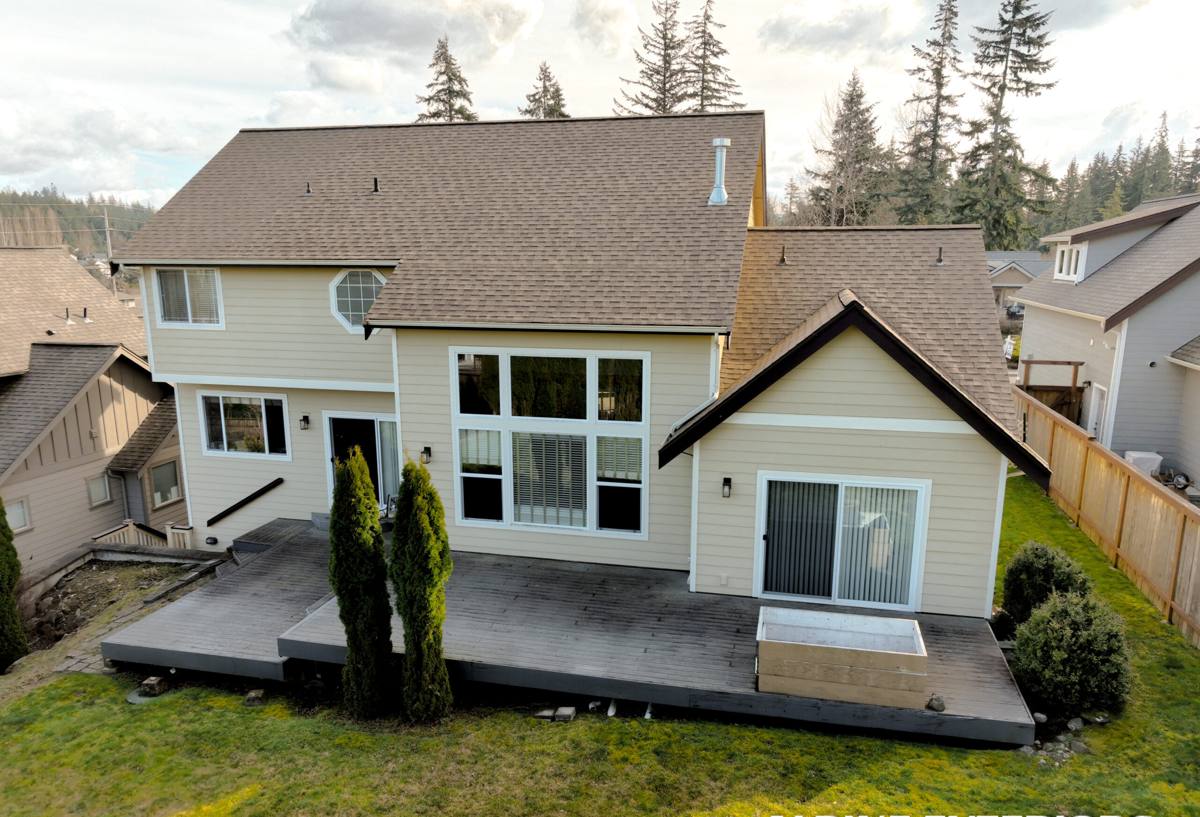
What "Custom" Actually Means Here
Custom doesn't just mean a non-standard size, though that matters too, especially in older homes where openings were framed before modern window sizing became standardized. Custom, done right, covers a few things at once:
- Exact measurement of each opening, since older houses often have openings that are slightly out of square after decades of settling
- Frame material selected for how it holds up against salt air and constant moisture, not just upfront cost
- Glazing and gas-fill package matched to the exposure of that specific wall — a window facing prevailing weather off the bay needs different performance than one on a sheltered side
- Flashing and sealing details built around wind-driven rain, not just a bead of caulk and a nailing fin
- Trim and hardware finishes chosen to resist the pitting and corrosion that salt air causes over time
Off-the-shelf windows ordered in stock sizes and installed with a generic approach can still look fine on install day. The problems tend to show up two, five, or ten years later, once the coastal exposure has had time to work on weak points in the material or the installation.
Older Homes Need Extra Attention
Columbia is one of Bellingham's older neighborhoods, and a lot of the housing stock reflects that. Original window openings, older framing, and layers of past repairs are common. Before we talk product, we look at what's actually behind the existing trim: whether the sheathing and framing around the opening are sound, whether there's existing water damage that needs to be dealt with first, and whether the opening itself has shifted enough over the years that a true custom size is the right call instead of trying to force a standard size to fit.
Choosing the Right Frame Material for This Exposure
There's no single "best" window material for every home — it depends on exposure, budget, and how much upkeep you're willing to do. Here's how the common options actually perform in a salt-air, high-rain environment like Columbia's:
| Frame Material | Salt Air / Corrosion Resistance | Moisture Handling | Maintenance |
|---|---|---|---|
| Vinyl | Good — won't corrode, though hardware quality varies by manufacturer | Good when properly sealed and drained | Low |
| Fiberglass | Very good — stable and doesn't pit or corrode | Very good, minimal expansion/contraction | Low |
| Aluminum | Fair — prone to pitting and corrosion near salt air unless properly coated | Requires thermal breaks to manage condensation | Moderate |
| Wood / Wood-Clad | Depends heavily on cladding and finish upkeep | Needs consistent maintenance to prevent rot in this climate | High |
We won't push a wood window on a Columbia home with heavy weather exposure without an honest conversation about the maintenance commitment involved. Wood can look great and perform well, but in a damp, salty coastal climate it demands more attention than vinyl or fiberglass. That's a trade-off for you to decide on, not a reason to avoid the product — we just want you making that call with full information rather than finding out the hard way three winters in.
Why the Installation Matters More Than the Window Itself
A high-quality window installed poorly will leak. A modest window installed correctly, with proper flashing and drainage, will often outperform it. In a climate where wind-driven rain is a regular occurrence, installation detailing is where most window failures actually originate.
What a correct installation includes
- Removing old windows carefully to expose and inspect the framing and sheathing underneath
- Repairing any hidden rot or water damage before the new window goes in — never installing over a problem
- Installing a proper water-resistive barrier and flashing sequence, lapped correctly so water sheds outward and downward, not into the wall cavity
- Sealing with materials rated for exterior exposure, applied at the right points — not everywhere, since over-sealing can trap moisture instead of letting it drain
- Shimming and fastening so the window operates smoothly and doesn't rack out of square as the house settles further
- Finishing interior and exterior trim so the whole assembly sheds water rather than collecting it
This is the part of the job that doesn't show up in a photo of the finished window, but it's the difference between a window that's still performing in fifteen years and one that starts leaking after the first serious storm season.
Signs Your Current Windows Are Losing the Fight
If you're not sure whether it's time to replace or repair, these are the signs we look for on Columbia homes specifically:
- Visible corrosion or pitting on hardware, hinges, or metal frame components
- Fogging or moisture between panes of double-glazed units, meaning the seal has failed
- Soft or discolored wood on sills, jambs, or exterior trim near the window
- Persistent moss or mildew growth on or around the frame, especially on north- and west-facing windows
- Drafts or a noticeable temperature difference near the window on windy days
- Difficulty opening, closing, or locking, which often points to a frame that's shifted or warped
- Visible daylight or gaps around the frame from outside
Some of these are cosmetic and can wait. Others, particularly soft wood or persistent moisture intrusion, point to damage that's actively spreading behind the trim and are worth addressing sooner rather than later.
Our Process for Columbia Homes
We keep this straightforward because window replacement doesn't need to be complicated when it's done right the first time.
1. On-site assessment
We look at every opening individually — not just the glass, but the framing, sheathing, and existing flashing behind it. This is especially important on older Columbia homes where past repairs or original construction details can vary window to window on the same house.
2. Honest product recommendation
We walk through frame material, glazing package, and hardware options based on that specific window's exposure — a bay-facing wall and a sheltered interior courtyard wall don't need the same specification, and we won't sell you the same package for both just to simplify the quote.
3. Precise measurement and ordering
Every opening gets measured individually rather than assumed to match a standard size, which matters most in older housing stock where openings have shifted over time.
4. Installation with proper flashing and sealing
This is where we spend the extra time that a coastal, high-rain climate demands — correct flashing sequence, verified drainage, and sealing that's built to handle wind-driven rain rather than just look finished.
5. Walkthrough and cleanup
We test operation on every window, walk you through anything you should watch for, and leave the site clean.
Why It Matters That We Already Work in Columbia
Whatcom County covers a lot of different microclimates, and a crew that mostly works inland doesn't always have a feel for how aggressively salt air and coastal rain exposure age a window installation. Working regularly in and around Columbia and the surrounding Bellingham waterfront-adjacent neighborhoods means we've seen how these specific conditions play out over years, not just on install day — which flashing details actually hold up, which hardware finishes hold up to salt exposure, and which framing issues are common in this neighborhood's older housing stock. That's the kind of knowledge that doesn't come from a product brochure.
Simple Maintenance That Extends Window Life Here
Even a well-installed, well-chosen window benefits from a little seasonal attention in this climate:
- Rinse salt residue off frames and hardware periodically, especially after storms with strong onshore wind
- Clear moss and debris from sills and tracks before it holds moisture against the frame
- Check exterior caulking and sealant annually for cracking or separation
- Operate hardware a few times through the off-season so mechanisms don't seize up from disuse and moisture
- Keep gutters and downspouts near window openings clear so water isn't sheeting directly over the frames
None of this requires much time, but it meaningfully extends the life of the installation, especially through Whatcom County's wetter months.
Getting Started
If you're weighing whether it's time to replace windows on a Columbia home, or you just want a straight answer about what's causing a specific window to underperform, we're glad to take a look. We offer a free, no-pressure estimate — walk the property, look at each opening, and give you an honest read on what's needed and what it'll take. Use the form below to get started.