 Bellingham
 Roofing Columbia the Way Its Homes Actually Need
Columbia is one of Bellingham's older, established neighborhoods, sitting under a heavy canopy of mature trees near Whatcom Falls Park and just a short run from Bellingham Bay. That combination — shade, tree cover, and salt-laced marine air — puts a specific kind of stress on a roof that a lot of general roofing crews aren't set up to handle well. We work asphalt shingle roofs in this part of Whatcom County regularly, and the patterns repeat: moss on the north-facing slopes, rusted-out fasteners nobody replaced, valleys that were never properly lined, and attic ventilation that hasn't kept pace with modern building science.
A Mix of Roof Ages and Roof Lines
Columbia's housing stock spans early-1900s bungalows, mid-century ramblers, and newer infill construction, which means roof decking, framing, and original ventilation vary a lot from house to house. A shingle roof that's correct for a 1920s cottage with tight eaves and no soffit venting is not the same job as a 1970s rambler with a wide-open attic. Treating every Columbia roof the same way is how corners get cut. We start every job by actually looking at what's underneath the old shingles rather than assuming.
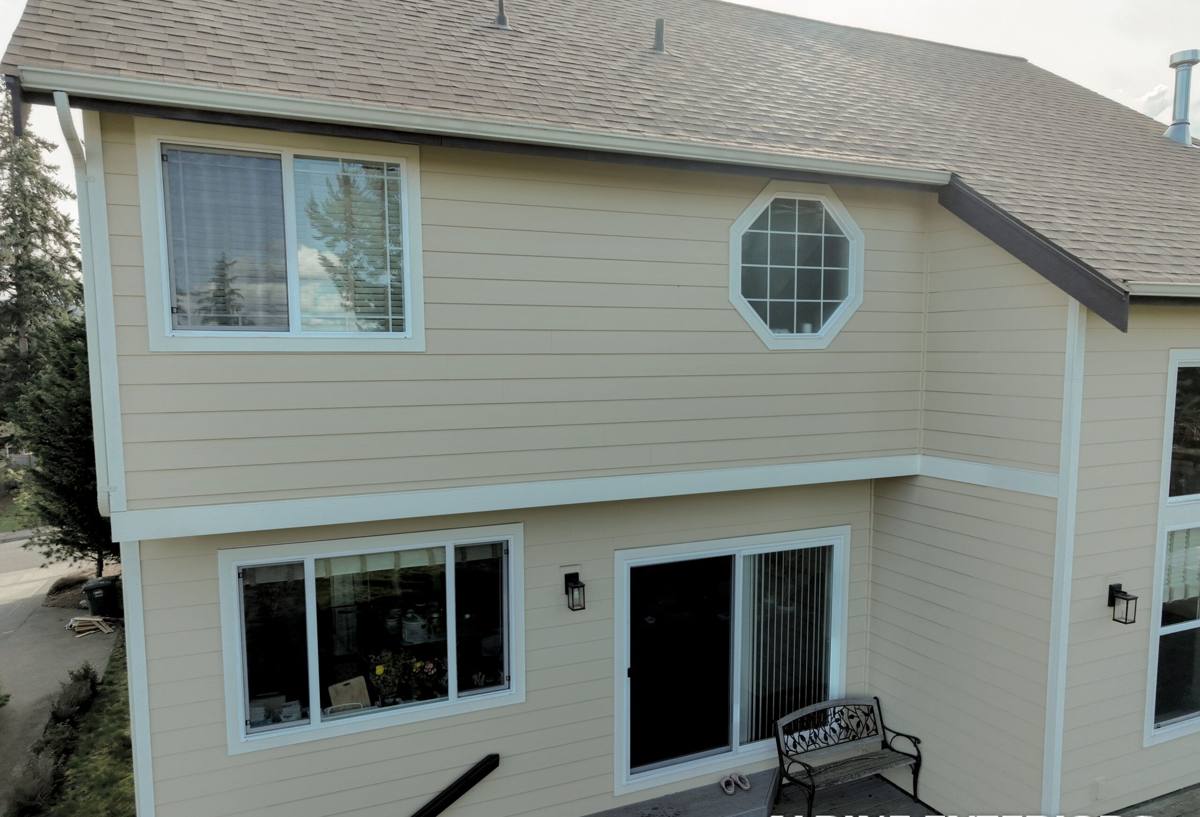
How Bellingham's Climate Shapes Every Shingle Roof in Columbia
Whatcom County's climate is mild compared to most of the country, but "mild" doesn't mean easy on a roof. Three factors specific to this area drive most of the shingle failures we see in Columbia.
Salt Air and Metal Fasteners
Bellingham Bay is close enough that salt-laced air reaches inland neighborhoods like Columbia, especially during onshore wind events. Salt air speeds up corrosion on exposed nail heads, unprotected flashing, and cheaper fastener coatings. A roof that looks fine from the ground can have rust bleeding through at nail pops or flashing seams within a few years if the wrong fastener grade was used the first time around.
Driving Rain and Wind-Driven Water
Storms coming off the Salish Sea don't always fall straight down — wind pushes rain sideways, under shingle laps, around chimney flashing, and into any gap where a valley or wall transition wasn't sealed correctly. Asphalt shingle roofing depends on overlapping courses shedding water downhill; a roof installed for a calmer climate, with shorter laps or skipped underlayment at vulnerable transitions, will leak here even though it might hold up fine somewhere drier.
A Long Moss Season
Between the tree cover around Columbia and Whatcom County's extended wet season, roofs here can stay damp for months at a time. Moss and lichen need exactly that: shade and moisture. Once moss takes hold, it lifts shingle edges, holds water against the roof deck, and accelerates granule loss — which is why moss isn't just a cosmetic problem here, it's a structural one if it's left alone long enough.
What a Correctly Installed Asphalt Shingle Roof Actually Includes
A shingle roof is a system, not a single product. Skipping or shortcutting any layer below the shingle is where most premature failures start. A correct installation for this climate includes:
- A deck inspection and repair of any soft, rotted, or delaminated sheathing before anything new goes down
- Synthetic underlayment across the full roof, not just felt paper in the easy spots
- Self-adhered ice-and-water membrane at eaves, valleys, and around penetrations, where wind-driven rain and moss-related moisture do the most damage
- Properly formed step flashing and counter-flashing at chimneys, walls, and dormers
- Drip edge at eaves and rakes to keep water off the fascia
- Correct nailing — six nails per shingle in higher-exposure areas, placed in the manufacturer's nailing zone, not just four in the middle
- A starter course and ridge cap matched to the field shingle for full wind and warranty performance
None of this is exotic. It's the difference between a roof that's assembled quickly and one that's built to actually perform through a Whatcom County winter.
Choosing the Right Shingle for a Columbia Roof
Not every asphalt shingle is built the same, and the differences matter more in a shaded, damp neighborhood like Columbia than they would in a drier climate. The two decisions that matter most are shingle class and granule treatment.
Algae-Resistant Granules
Given how much shade and moisture Columbia roofs deal with, we generally steer homeowners toward algae-resistant (AR) shingles. These use copper-containing granules that resist the dark streaking caused by algae growth — a cosmetic issue mostly, but one that shows up faster here than almost anywhere else in the region. It's a modest upgrade in material cost for a real difference in how the roof looks five and ten years out.
Wind and Impact Ratings
Most manufacturers rate shingles for wind resistance and, in some lines, impact resistance. For a neighborhood with mature trees overhead, a higher wind rating and, where budget allows, a Class 4 impact-resistant shingle can reduce the odds of storm damage from falling limbs or wind gusts funneling through the tree canopy.
| Shingle Type | Typical Lifespan | Wind Rating | Best Suited For |
|---|---|---|---|
| 3-Tab | 15-20 years | Standard | Budget-driven projects, simple roof lines |
| Architectural / Dimensional | 25-30 years | Higher | Most Columbia homes; better wind and hail resistance |
| Algae-Resistant Architectural | 25-30 years | Higher | Shaded, tree-covered, or moisture-prone roofs |
| Impact-Resistant (Class 4) | 30+ years | Highest | Heavy tree cover or storm-exposed roofs |
We'll walk through these trade-offs with you rather than pushing one line of shingle — the right choice depends on your roof's exposure, your budget, and how long you plan to stay in the home.
Our Process, From First Look to Final Walk-Through
A shingle roof replacement should be predictable, not a mystery. Here's how we run it:
- On-site inspection: we get on the roof, check the deck, flashing, ventilation, and any moss or moisture damage before quoting anything
- Written estimate: a clear scope of work and shingle options, no vague line items
- Tear-off and deck check: old roofing comes off down to the sheathing so we can actually see what's there and repair it if needed
- Underlayment and flashing: ice-and-water membrane, synthetic underlayment, and new flashing installed to current standards
- Shingle installation: correct nailing pattern, starter strip, and ridge cap matched to the field shingle
- Ventilation check: intake and exhaust venting confirmed or corrected as part of the job, not billed as a surprise add-on later
- Cleanup and magnetic sweep: job site and yard cleared of debris and stray fasteners
- Final walk-through: we go over the finished roof and paperwork, including manufacturer warranty registration, with you directly
Ventilation and Attic Moisture: The Half of the Job You Don't See
A shingle roof that looks perfect from the curb can still fail early if the attic underneath isn't ventilated correctly. Balanced intake (soffit vents) and exhaust (ridge or roof vents) keep moist, warm air from condensing against the underside of the deck. In a neighborhood with Columbia's long stretch of damp weather, that condensation risk is higher than average — trapped moisture rots sheathing from the inside, and no shingle warranty covers deck failure caused by attic moisture. When we tear off a roof, we check this every time, because it's often the actual root cause behind a roof that "failed early" for no obvious reason.
Moss, Debris, and Tree Cover: Keeping a Columbia Roof Healthy Between Jobs
Even a well-installed roof needs some ongoing attention in a neighborhood with this much tree cover. A few habits go a long way toward getting full life out of your shingles:
- Clean gutters at least twice a year — needle and leaf buildup holds moisture against the roof edge
- Trim back branches that overhang the roofline to reduce shade, debris, and physical wear from limbs rubbing shingles
- Remove moss with a soft wash approach rather than pressure washing, which strips granules and shortens shingle life
- Have valleys and penetrations checked after major storms, since that's where wind-driven rain finds weak spots first
- Watch for granules collecting in gutters or downspouts — a sign of accelerating wear worth having looked at
- Schedule a roof check in fall before the wet season and again in spring to catch small issues early
What Affects the Cost of Asphalt Shingle Roofing in Columbia
Every roof is priced on its own specifics, but the same factors move the number up or down on almost every job we quote in this neighborhood.
| Cost Factor | Why It Matters |
|---|---|
| Roof pitch and access | Steeper roofs and limited street or yard access under mature trees take longer and require more safety setup |
| Number of tear-off layers | Removing multiple old layers adds labor and disposal costs before new roofing can go on |
| Deck repair needs | Rot or moisture damage found during tear-off has to be fixed before shingles go down |
| Shingle class chosen | 3-tab, standard architectural, algae-resistant, and impact-resistant shingles all carry different material costs |
| Roof complexity | Chimneys, skylights, dormers, and valleys all add flashing work and time |
| Permitting and disposal | Local permit fees and dump costs for old shingle debris are part of an honest total |
We'll break these out in your estimate so you can see exactly what's driving the price, not just a bottom-line number.
Why a Crew That Already Works Columbia Matters
Roofing a home in this neighborhood isn't identical to roofing one out on flat, open ground. Narrow, tree-lined streets change how we stage material and set up dumpsters. Mature root systems and overhanging limbs change how we protect landscaping during tear-off. And knowing the local building department's expectations for permitting and inspections keeps a job moving instead of stalling out on paperwork. A crew that's already worked several roofs in Columbia has seen the deck conditions, the ventilation shortcuts, and the moss patterns specific to this pocket of Bellingham — that familiarity shows up as fewer surprises and a faster, cleaner job for you.
If you're weighing a repair against a full replacement, or just want an honest look at where your current shingle roof stands, we're happy to come take a look. The estimate is free, there's no pressure attached to it, and you'll get a straight answer either way — just fill out the form below to get started.