 Bellingham
 James Hardie Siding Services for Birch Bay
Birch Bay homes sit closer to salt water, more exposed to wind, than almost anywhere else in Whatcom County. That changes what a siding job actually needs to hold up. We install James Hardie fiber cement siding exclusively, and this page is specifically about what that service looks like for a Birch Bay property: the product decisions, the installation details, and the process we follow from first walk-through to final trim work.
This isn't a general overview of exterior services in the area. It's focused on one job — putting correctly installed Hardie siding on a Birch Bay home — and what separates a version of that job that lasts three decades from one that starts showing seams, staining, or soft trim within a handful of wet winters.
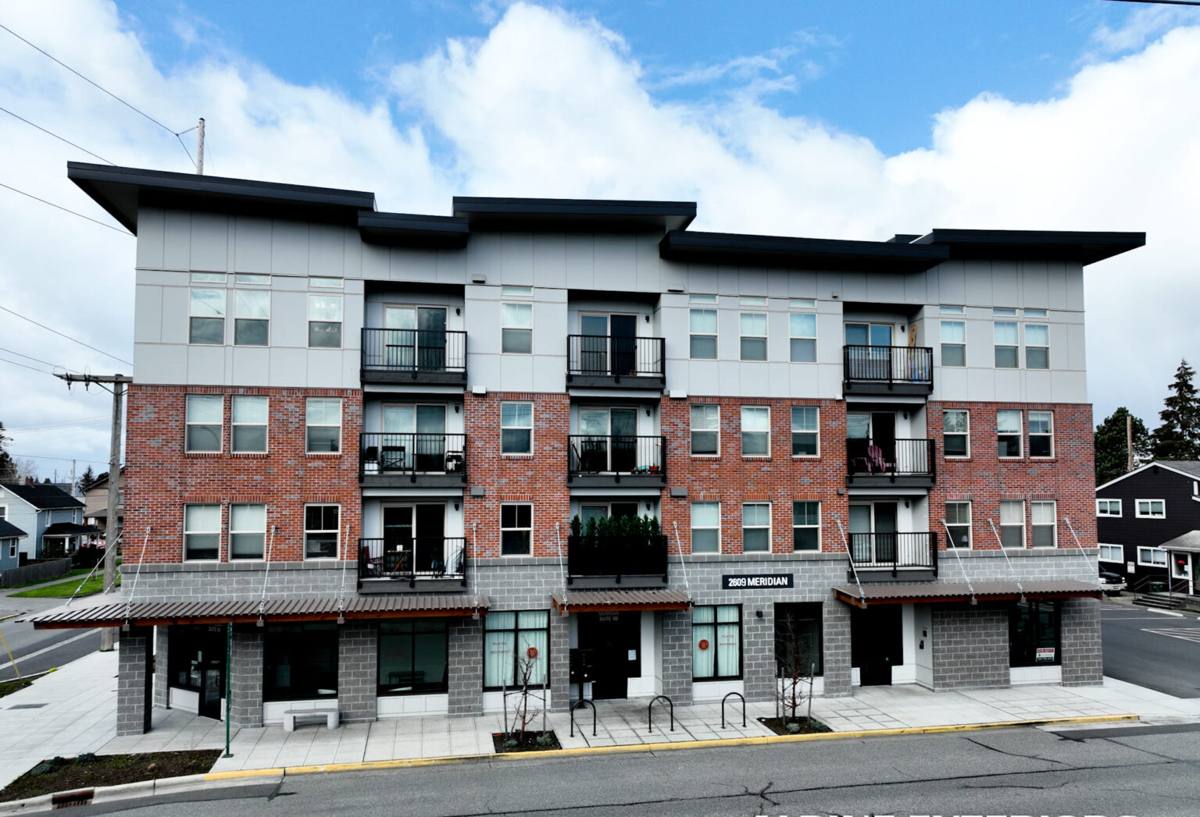
What a Waterfront Address Adds to the Job
A siding crew that only works inland jobs can get away with a looser standard than a crew working Birch Bay regularly. Three conditions specific to this stretch of coastline drive most of the decisions we make on a Birch Bay siding job.
Salt-Laden Air
Being this close to the bay means salt is a constant in the air, not an occasional coastal storm event. Salt accelerates corrosion in fasteners, flashing, and any exposed metal trim, and it can dull or degrade a lower-quality finish faster than the same product would wear a few miles inland. We treat fastener and hardware selection as a real decision on every Birch Bay job, not a line item to shop down on cost.
Wind-Driven, Sideways Rain
Open water exposure means more wind, and wind pushes rain sideways into lap joints, trim seams, and anywhere a siding system depends on gravity alone to shed water. That's a harder test than a straightforward annual rainfall number suggests, and it's the exposure that separates a fiber cement installation with proper flashing and lap detailing from one that looks fine on install day and leaks three winters later.
A Long Moss and Mildew Season
Mild temperatures and steady moisture keep moss and mildew active across most of the calendar here, especially on shaded or north-facing walls. Any siding surface that stays damp against the substrate becomes a growth surface over time, which is one more reason drainage detailing behind the panel matters as much as the panel itself.
Why James Hardie Is the Product We Install
We used to install a wider range of siding products. We don't anymore, and Birch Bay's climate is a big part of why. James Hardie fiber cement is an inorganic material — a blend of Portland cement, sand, and cellulose fiber — so it doesn't have a wood-based or petroleum-based core that swells, warps, or feeds insects the way organic siding materials can when they take on repeated moisture. It's also non-combustible, which is worth something to homeowners and insurers alike, even on a coastal property.
- Climate-engineered HZ5 formulation: Built for regions with sustained moisture exposure and freeze-thaw cycling, which fits waterfront Whatcom County's winters better than a product engineered for a hot, dry market.
- Factory-applied ColorPlus finish: Color is baked on in multiple coats under controlled factory conditions rather than brushed on in the field, so it holds up better against fading and chalking in salt air and direct UV.
- Dimensional stability: Fiber cement doesn't expand and contract the way vinyl does with temperature swings, or swell and cup the way engineered wood can along cut edges and joints.
- Transferable warranty: Hardie backs its products with a substrate warranty plus a separate ColorPlus finish warranty, and that coverage generally transfers to a future buyer, which matters in a market where buyers increasingly ask about a home's exterior history.
We won't install LP SmartSide, vinyl, Cemplank, Allura, primed spruce, or cedar. Each has a place in the broader market, and homeowners elsewhere are satisfied with them. On a shoreline exposure like Birch Bay, we made a professional call that we'd rather stand fully behind one system than offer a cheaper option that quietly shifts long-term maintenance risk onto the homeowner.
Choosing the Right Hardie Profile for Your Home
Hardie's product line covers more than one look, and picking the right profile matters as much as picking the manufacturer. The table below covers the main options we work with.
| Hardie Product | Typical Look | Where It Fits Best |
|---|---|---|
| HardiePlank lap siding | Traditional horizontal lap, smooth or woodgrain texture | Most single-family Birch Bay homes; the most common re-side choice |
| HardieShingle | Staggered or straight-edge shingle profile | Homes going for a coastal cottage or Craftsman look |
| HardiePanel with battens | Vertical board-and-batten | Accent walls, gables, or a more modern exterior |
| HardieTrim | Smooth trim boards for corners, fascia, and window casing | Every job — trim detailing is where a lot of water intrusion starts if it's wrong |
We walk through these options with you at the estimate, factoring in your home's existing architecture, HOA or neighborhood covenants where they apply, and which profile makes the most sense for the specific walls that take the worst weather on your lot.
What Correct Installation Actually Involves
Fiber cement's real-world performance depends heavily on installation quality. A Hardie product installed loosely will still develop moisture problems in this climate — the material is only as good as the details behind it. On a Birch Bay job specifically, we treat the following as non-negotiable, not upsells.
| Installation Detail | Why It Matters on Birch Bay's Coastline |
|---|---|
| Corrosion-resistant fasteners, correct type and spacing | Salt air accelerates fastener corrosion faster than inland exposure |
| Manufacturer-specified clearances from grade, roofline, and deck | Keeps splash-back and standing moisture off the board edge |
| Rain screen or drainage plane behind the siding | Lets moisture that gets past the surface drain and dry instead of sitting against the wall |
| Properly lapped flashing at windows, doors, and penetrations | Directs wind-driven, sideways rain away from seams instead of trapping it |
| Factory-cut edges used wherever possible; field cuts sealed to spec | Preserves the factory finish's protection at every cut point |
Fastener choice alone is worth calling out. On an inland job, standard fasteners might hold up fine for decades. On a Birch Bay job, we account for the added corrosion load from salt air in what we spec, because a fastener that fails quietly behind the siding is one of the harder problems to catch until it's already caused damage.
Our Process on a Birch Bay Siding Job
The sequence matters as much as any single material choice. Here's how a typical Hardie re-side runs on a Birch Bay home:
- On-site assessment: We walk the exterior, check the existing siding and sheathing for hidden moisture or rot, and look specifically at how the home has weathered its current exposure to wind and salt air.
- Written scope and product selection: We put together a clear scope covering profile, trim details, and color before any work starts, so there's no ambiguity about what's being installed.
- Tear-off and sheathing repair: Old siding comes off, and any damaged sheathing or framing found underneath gets addressed before new material goes on — covering it up doesn't fix it.
- Weather-resistive barrier and drainage plane: This layer is what actually keeps incidental moisture from reaching the sheathing, and it's not optional on a job this exposed.
- Hardie installation to spec: Correct fasteners, clearances, and flashing at every penetration, following Hardie's published installation guidelines rather than general carpentry habits.
- Trim, caulking, and final detailing: The finish work at corners, window casings, and transitions is where a lot of long-term leaks either get prevented or get built in.
- Final walkthrough: We go over the finished job with you before calling it done, not just hand you an invoice.
Comparing Siding Options for a Birch Bay Re-Side
Homeowners often ask us to compare Hardie against whatever else they've looked at. Here's an honest breakdown for this specific coastal setting.
| Material | Behavior in Salt Air and Wind-Driven Rain | Typical Maintenance Here |
|---|---|---|
| James Hardie fiber cement | Dimensionally stable, resists swelling; factory finish holds up to salt and UV | Low; no periodic repainting of the substrate |
| Vinyl siding | Can distort under heat; lapped seams are exposure points in sideways wind-driven rain | Low upfront, but seam and fastener integrity matters more here than inland |
| Engineered wood (LP SmartSide) | Wood-fiber core is moisture-sensitive at cut edges and fastener penetrations | Moderate to high; edge sealing has to be kept up consistently |
| Cedar or primed wood | Absorbs and releases moisture readily; organic surface is hospitable to moss | High; regular refinishing needed in a climate this wet |
Cost Factors on a Birch Bay Hardie Project
We don't publish blanket pricing because every home is different, but the factors that actually move the number on a Birch Bay job are consistent:
- Tear-off and disposal: Removing and hauling away the existing siding, more involved if there are multiple layers or hidden damage.
- Sheathing and framing repair: Any rot or water damage found once the old siding comes off gets addressed as a change order with your approval, not assumed away.
- Profile and trim complexity: A straightforward lap siding job costs less than one mixing lap siding, shingle accents, and custom trim details.
- Corrosion-resistant hardware: Fastener and flashing specs suited to salt air exposure are a deliberate line item, not a corner we cut to hit a lower number.
- Access and site conditions: Waterfront lots sometimes come with tighter access, retaining walls, or grading that affects staging and labor time.
A Checklist Before You Hire Anyone for Hardie Siding in Birch Bay
- Ask whether the crew is manufacturer-certified for James Hardie installation, not just generally experienced with siding.
- Confirm current Washington contractor licensing and active liability insurance before signing anything.
- Ask specifically how they detail flashing and drainage for wind-driven, sideways rain, not just standard rainfall.
- Ask what fastener and hardware grade they spec for salt air exposure, and why.
- Get a written scope covering profile, trim, color, and warranty terms before work begins.
Why Local Experience on This Coastline Matters
A crew that works Birch Bay regularly already knows how salt air, wind exposure, and near-constant moisture behave differently here than they do even a few miles inland. That shows up in specific decisions — the fastener grade that gets used, how much drainage detailing gets added behind the siding, where extra flashing goes at wall penetrations — and those decisions are what determine whether a Hardie installation delivers the thirty-plus years it's capable of or starts showing problems in year five because it was installed like an inland job.
If you're planning a re-side in Birch Bay, we're glad to walk the property, look honestly at what your current siding is telling us about how the home has weathered this exposure, and give you a clear, written plan. Reach out using the form below for a free, no-pressure estimate.