 Bellingham
 Storm Damage Repair Built for How Birchwood Actually Weathers
Birchwood sits close enough to the water and open enough to wind that its roofs take a specific kind of beating year after year. It's not one dramatic storm that usually causes the trouble we get called out for — it's the combination of salt-laden air off the bay, long stretches of driving rain, and a moss season that never really ends in this part of Whatcom County. A roof that would hold up fine in a drier inland climate can start failing here in ways homeowners don't expect, and generic repair advice written for a different climate just doesn't apply.
This page is about one thing: storm damage roof repair for homes in Birchwood, done correctly, by a crew that already understands what this neighborhood's roofs are up against.
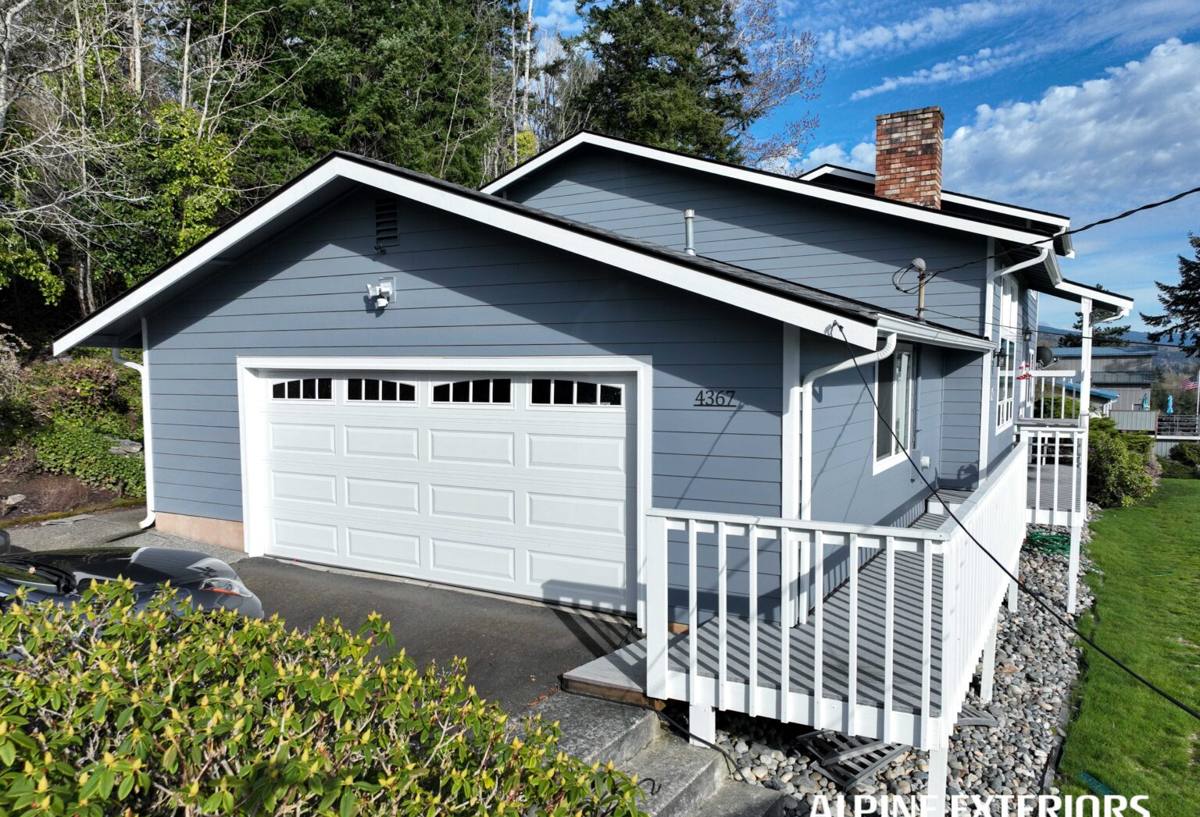
What Storm Damage Looks Like on a Birchwood Roof
When people think "storm damage," they usually picture missing shingles after a windstorm. That happens here, but it's often not the whole story. The moisture-heavy climate around Bellingham means storm damage frequently shows up as a combination of problems that built on top of each other:
- Wind-lifted or creased shingles along ridges, edges, and any area exposed to gusts coming off open ground
- Flashing pushed loose around chimneys, vents, and valleys — often the actual entry point even when the shingles nearby look intact
- Moss-weakened shingle mat that tears or lifts far more easily than a clean, moss-free roof would under the same wind load
- Granule loss from driving rain hitting shingles that have already been softened by sitting under moss and damp debris
- Gutter and downspout overflow during heavy rain events, which backs water up under the roof edge rather than letting it drain away
- Fastener corrosion on older roofs, accelerated by salt air, which lets nails work loose and shingles shift in wind before they'd normally fail
The salt air part is easy to underestimate if you haven't worked roofs in a coastal-influenced climate. It doesn't just affect gutters and flashing — it speeds up the breakdown of exposed fasteners and metal components generally, which is one reason storm damage on a 15-to-20-year-old Birchwood roof often looks worse than the same storm would produce on a newer roof a few miles further inland.
Why a Quick Patch Isn't the Same as a Correct Repair
After a storm, it's tempting to just replace the shingles that are obviously missing or torn and call it done. That approach misses the damage you can't see from the ground, and in this climate, what you miss tends to come back as a bigger problem within a season or two.
What we actually check
A correct storm damage repair starts with an inspection that goes past the visible shingle damage:
- Decking underneath the damaged area, checked for soft spots or staining that indicate water has already gotten through
- Underlayment condition around the repair zone, not just at the exact point of visible damage
- Flashing at every penetration nearby — chimneys, plumbing vents, skylights — since wind that damages shingles often loosens flashing at the same time
- Fastener condition on adjacent shingles that survived the storm but may be one gust away from the same failure
- Ventilation paths, since trapped moisture from a damaged section can accelerate rot in the surrounding roof deck if airflow is blocked
Skipping any of these steps doesn't save the homeowner money — it just moves the cost down the road, usually to a point where the fix is bigger and the damage has spread to the decking or interior of the home.
Our Process for Birchwood Storm Repairs
The process is straightforward, but each step matters:
- Initial inspection. We walk the roof (or use a ladder and close visual/photo inspection where walking isn't safe) and document every area of damage, not just the spot that prompted the call.
- Honest scope assessment. We tell you plainly whether this is a repair, a partial re-roof of one slope, or something bigger — and why.
- Documentation. If you're planning to file an insurance claim, we photograph and describe the damage in a way that supports that claim rather than working against it.
- Repair. Matching materials as closely as possible, replacing compromised decking or underlayment (not just the top layer of shingles), and resealing flashing properly rather than just caulking over it.
- Cleanup and gutter check. Storm debris often clogs gutters right when you need them draining well — we clear them as part of the job, not as an upsell.
- Follow-up recommendation. If the repair revealed moss buildup or ventilation issues likely to cause repeat damage, we tell you, with no pressure to act on it immediately.
Repair, Partial Re-Roof, or Full Replacement — How We Decide
Not every storm-damaged roof needs the same response. The table below is a general guide to how the decision usually plays out — your actual situation depends on the inspection.
| Situation | Typical Approach | Why |
|---|---|---|
| Isolated wind damage, roof under ~10 years old, decking sound | Targeted repair | Surrounding material still has useful life; a clean patch will hold |
| Damage concentrated on one slope, roof 10–18 years old | Partial re-roof of that slope | Matching old and new shingles elsewhere on an aging roof rarely looks right or performs evenly |
| Storm damage plus significant moss history or granule loss roof-wide | Full replacement likely more cost-effective | Repairing one section doesn't address a roof that's failing broadly |
| Decking found soft or stained during inspection | Repair scope expands to include deck replacement | Shingles installed over compromised decking will fail again quickly |
| Storm damage on a roof already near the end of its expected lifespan | Replacement usually recommended over repair | Spending repair money on a roof that needs full replacement soon doesn't serve the homeowner |
Storm Damage and Insurance Claims
Most homeowners' policies cover sudden storm damage — wind, falling debris, impact events — but not damage that's really the result of long-term neglect, like a roof that failed because moss had been eating at it for years. Adjusters know the difference, and so do we. Part of doing this job honestly means telling you which category your damage falls into before you file a claim, not after an adjuster denies it.
If the damage is a legitimate storm claim, thorough documentation matters more than almost anything else in getting it approved at a fair scope. We provide that documentation as a standard part of any storm repair, whether or not you end up filing.
Preventing Repeat Storm Damage in a Wet, Mossy Climate
Bellingham's climate means moss isn't a one-time cleanup — it's an ongoing maintenance item, and the roofs that hold up best after a storm are the ones that were already being maintained before the storm hit. A few habits make a real difference:
- Clear moss and organic debris from roof surfaces at least once a year, more often on shaded slopes
- Keep gutters clear year-round, not just in fall — needle and leaf buildup happens on a longer schedule here than in drier climates
- Have flashing and fasteners checked every few years, since salt-air corrosion isn't always visible from the ground
- Address small leaks or lifted shingles promptly — a small, easy repair now prevents a bigger storm-triggered failure later
- Confirm attic ventilation is adequate, since trapped moisture accelerates decking rot and makes storm damage worse when it happens
Why Local Experience in Birchwood Actually Matters
Storm damage repair isn't just a technical skill — it's a judgment call about how a specific roof, in a specific microclimate, is likely to behave. A crew that works Birchwood regularly already has a working sense of which slopes in this area tend to hold moss longest, how exposed a given lot is to wind coming off open water, and what shows up first when salt air starts working on aging flashing and fasteners. That local pattern recognition shortens the inspection and sharpens the recommendation — it's the difference between guessing at a repair and knowing what this particular climate does to this particular kind of roof.
It also means faster response after a storm. When a weather event hits Whatcom County, being a crew that's already familiar with the neighborhood — not one dispatched cold from across the region — matters for how quickly a damaged roof gets a tarp, an inspection, and a real repair plan.
Get an Honest Look at Your Roof
If your Birchwood home has visible storm damage, or you're just not sure whether recent weather did any harm, we're glad to take a look and tell you plainly what we find — repair, partial re-roof, or nothing urgent at all. Use the form below to request a free, no-pressure estimate.