 Bellingham
 Window Installation in Barkley: What Local Homes Need
Barkley sits close enough to Bellingham Bay and the surrounding wetlands that its homes take on a specific kind of weather stress: salt-laced air, wind-driven rain off the Sound, and a wet season that runs long enough to grow moss on nearly anything that stays damp. Windows are one of the first parts of a house to show that stress. Seals fail, frames swell or rot, and glass fogs between panes years before it should. Window installation here isn't just a cosmetic upgrade — it's a maintenance decision that affects how well the rest of the house holds up.
We work on homes throughout Barkley regularly, from older single-pane builds that never had proper flashing to newer construction where the windows are fine but the installation underneath them wasn't. The window itself only does part of the job. How it's set into the wall determines whether it lasts fifteen years or thirty.
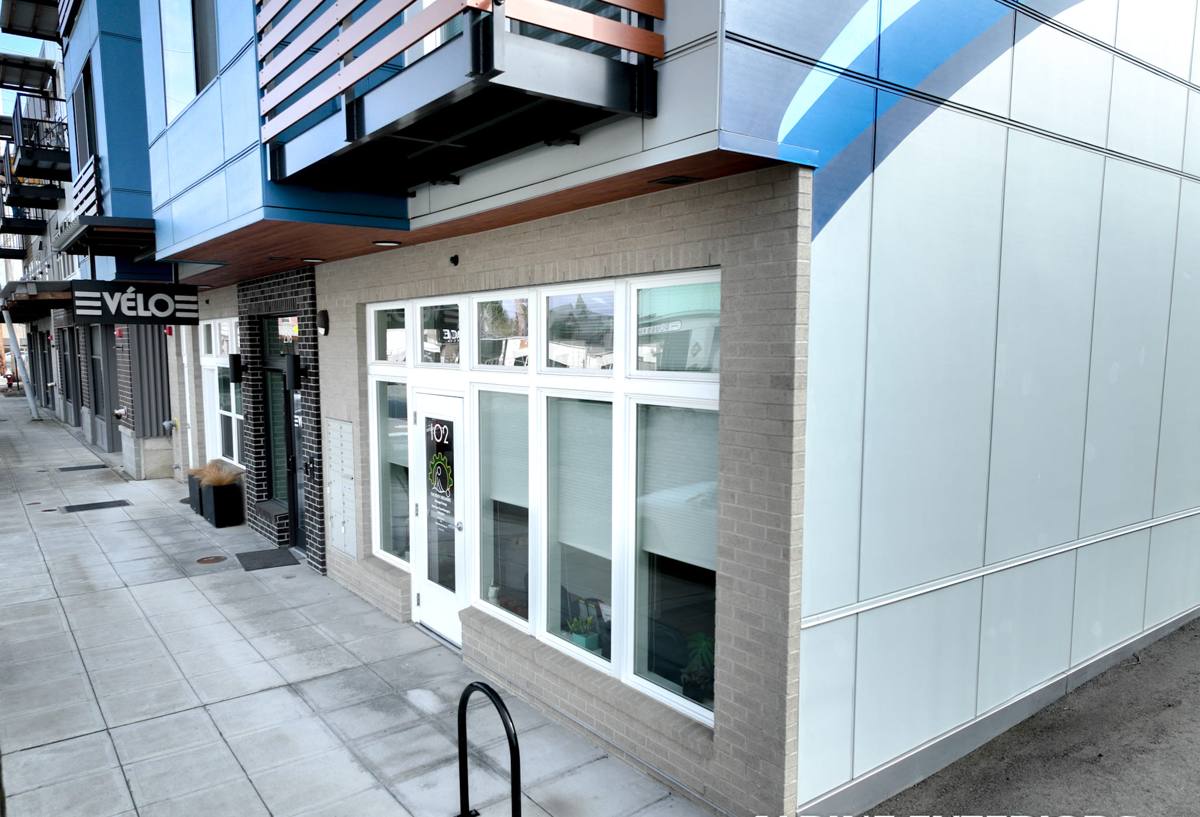
How Bellingham's Climate Wears Down Windows
Whatcom County's marine climate is milder than most of the country, which is part of why people move here — but mild doesn't mean gentle on building materials. Three things do the most damage to windows in Barkley specifically:
- Salt air: Proximity to the bay means fine salt particles ride the wind and settle on window frames and hardware, accelerating corrosion on metal components and breaking down some sealants faster than manufacturers rate them for.
- Driving rain: Storms off the Pacific don't just fall straight down — wind pushes rain sideways into window assemblies, which is exactly the condition that exposes weak flashing and undersized sealant beads.
- Moss and constant dampness: Long stretches of wet weather keep wood sills and trim damp for days at a time. Moss and algae hold moisture against the surface, which is worse for wood than rain alone because it never gets the chance to dry between exposures.
None of these are dramatic events. They're slow, cumulative, and easy to ignore until a window frame is soft to the touch or a sill has started to delaminate.
Signs It's Time for New Windows
Homeowners in Barkley usually notice one of these before they call us:
- Fogging or a visible haze between panes on double- or triple-glazed windows — a sign the seal has failed and the gas fill or desiccant has been compromised
- Soft, discolored, or spongy wood at the sill or lower frame corners
- Drafts you can feel with a hand near the frame, even when the window is latched
- Windows that are hard to open, close, or lock — often a sign the frame has swollen or shifted
- Visible gaps between the window frame and siding or trim
- A noticeable jump in heating costs without any other explanation
Any one of these on its own might just need a repair. Several at once, especially on a house that's had the same windows for two or three decades, usually points to full replacement being the better long-term move.
What Correct Installation Actually Involves
Most window failures we're called out to fix aren't failures of the window itself — they're failures of the installation. The window is a manufactured product with a warranty; the installation is a field judgment call, and it's where quality is won or lost.
Flashing and Moisture Management
Every window opening needs a flashing sequence that directs water out and away from the wall assembly, layered so each piece overlaps the one below it — the same principle as shingles on a roof. Skipping a sill pan, using the wrong tape for the substrate, or flashing out of sequence is invisible on install day and shows up as rot two or three winters later. In a climate that gets as much driving rain as Bellingham does, this step matters more than the window brand.
Sealing and Insulation
Gaps between the window frame and the rough opening need to be filled with a proper low-expansion foam or backer rod and sealant, not just caulked over on the exterior face. Exterior sealant is a second line of defense, not the primary air and water barrier. We check both the interior air seal and the exterior weather seal on every install, because relying on caulk alone is one of the most common shortcuts that leads to callbacks.
Choosing the Right Window for a Whatcom County Home
There's no single "best" window material — the right choice depends on your home's exposure, your budget, and how much upkeep you want to take on. Here's how the common options compare for a coastal Whatcom County setting:
| Frame Material | Salt/Moisture Resistance | Maintenance | Typical Lifespan |
|---|---|---|---|
| Vinyl | Good — won't rot or corrode | Low | 20-30 years |
| Fiberglass | Very good — dimensionally stable, resists warping | Low | 30-40 years |
| Wood (clad exterior) | Fair — cladding protects wood, but any breach invites rot | Moderate to high | 20-30 years with upkeep |
| Aluminum | Fair — prone to corrosion near salt air unless well-finished | Low to moderate | 20-30 years |
We don't push one material on every job. A vinyl or fiberglass frame is usually the lower-maintenance choice for a Barkley home with real salt and rain exposure, while a clad-wood window can still make sense on a house where the trim style calls for it, as long as the owner understands the added upkeep. We'll walk through the trade-offs honestly rather than steering you toward whatever's easiest for us to install.
Our Process, Start to Finish
- On-site assessment: We check existing frames, flashing, and any signs of hidden moisture damage before quoting anything.
- Product selection: We go over frame material, glass package, and options based on your home's exposure and your budget — no pressure toward the priciest option.
- Removal and inspection: Old windows come out carefully so we can inspect the rough opening for rot or prior flashing mistakes before anything new goes in.
- Flashing and sealing: Sill pans, flashing tape, and air/water barriers are installed in proper sequence — this is the step that determines long-term performance.
- Window setting and shimming: Windows are leveled, plumbed, and shimmed correctly so they operate smoothly and seal evenly for years, not just on day one.
- Interior and exterior finish: Trim, insulation, and sealant are finished on both sides, and we walk the job with you before we consider it done.
Why Hire a Crew That Already Works Barkley
A window that's correctly installed for a dry inland climate isn't automatically correct for a house exposed to Bellingham Bay's wind and salt. Crews who don't regularly work this area sometimes under-flash, under-seal, or spec hardware that corrodes faster than expected here. We're on Barkley job sites often enough to know which corners of a house take the worst weather and which details are worth the extra time. That's not a marketing line — it's the difference between an install that needs attention again in five years and one that doesn't.
It also matters for accountability. A local crew with a local reputation has a reason to get the flashing right the first time, because we're the ones who come back if it wasn't.
Cost Factors to Expect
Window installation costs vary by opening size, frame material, glass package, and how much of the surrounding trim or siding needs to be opened up to install flashing correctly. Broad factors that move the price:
| Factor | Why It Matters |
|---|---|
| Frame material | Fiberglass and premium vinyl cost more upfront than basic vinyl or aluminum |
| Glass package | Double-pane, low-E coatings, and argon fill each add cost but improve performance |
| Opening condition | Rot or prior flashing failures mean repair work before the new window goes in |
| Number of windows | Whole-house jobs typically bring a lower per-window cost than one-off replacements |
| Trim and siding work | Matching existing trim or replacing damaged siding around the opening adds labor |
We give a firm, itemized quote after seeing the actual openings — not a phone estimate — because hidden rot or flashing issues are common enough in this climate that a number given sight-unseen isn't reliable.
Maintaining Your New Windows
New windows still need occasional attention in a climate like ours. A short seasonal routine goes a long way:
- Rinse salt residue and grime off frames and glass a few times a year, especially after storms
- Check and clear weep holes so water can drain out of the frame instead of pooling
- Keep moss and algae from establishing on sills and nearby trim — scrub or treat it before it takes hold
- Inspect exterior caulk lines annually and touch up any cracking before winter rains arrive
- Operate locks and hardware periodically so moving parts don't seize
None of this is heavy maintenance, but skipping it is how a well-installed window still ends up with problems a decade in.
If your Barkley home has windows showing any of the signs above, or you're just ready to stop losing heat through old frames, we're happy to take a look. Fill out the form below for a free, no-pressure estimate — we'll walk the house, tell you honestly what we find, and give you real numbers to work with.