 Bellingham
 Asphalt Shingle Roofing Built for York's Marine Climate
Homes in the York neighborhood sit close enough to Bellingham Bay and the surrounding Whatcom County waterways that the air itself works against a roof year-round. Salt-laden moisture, near-constant driving rain off the water, and long stretches of shade from mature evergreens all combine to create conditions that shorten the life of a poorly installed or poorly maintained asphalt shingle roof. An asphalt shingle roof done right for York isn't just about laying shingles in straight rows — it's about choosing materials and installation details that account for what this specific corner of Whatcom County throws at a roof every single year.
We install asphalt shingle roofs across Bellingham, and York homes get the same attention to underlayment, ventilation, and flashing detail that every job gets — tuned to the moisture load and moss pressure that's typical for this area.
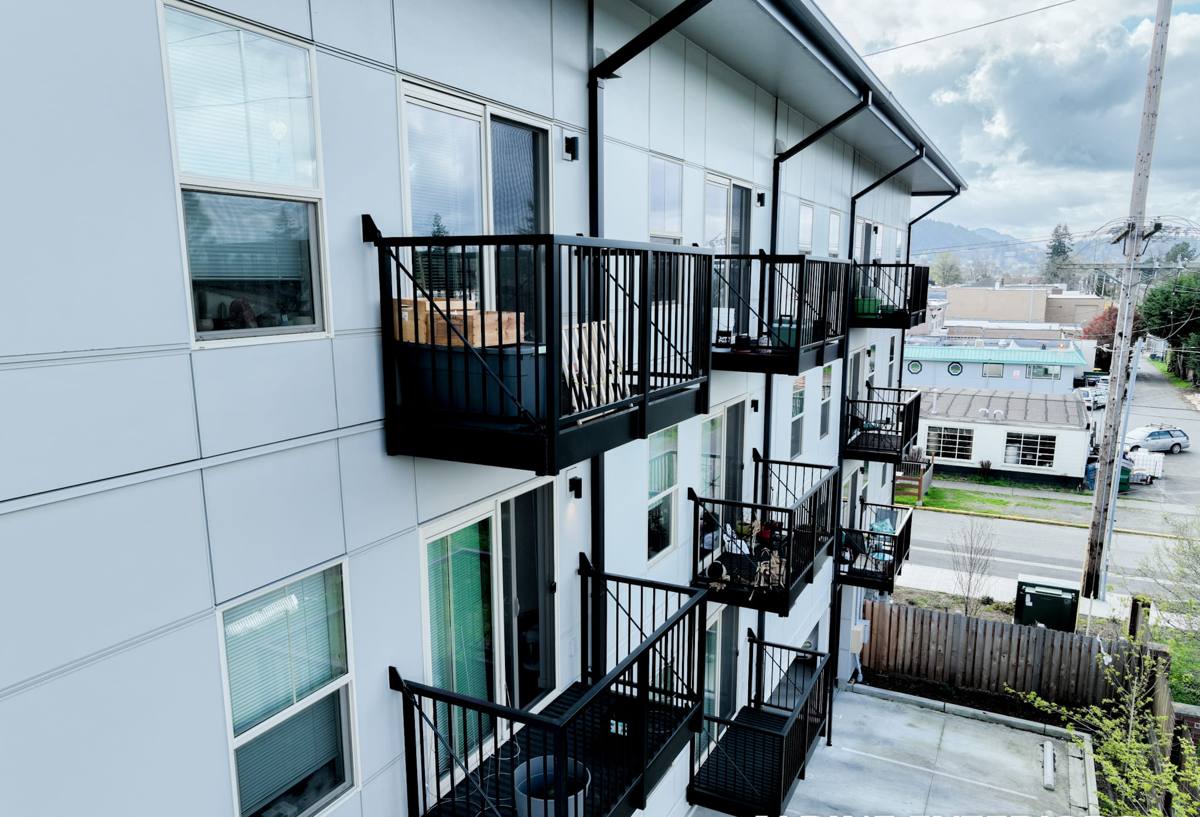
What York's Climate Actually Does to a Shingle Roof
Three factors drive most of the roofing problems we see on homes in and around York:
Salt Air
Proximity to Puget Sound and Bellingham Bay means airborne salt settles on roofing materials, gutters, and exposed metal flashing. Over time this accelerates corrosion on lower-grade metal components and can degrade the granule coating on cheaper shingles faster than in an inland climate. It's not dramatic damage in any single season — it's a slow, cumulative effect that shows up as premature wear a decade earlier than a manufacturer's warranty would suggest.
Driving Rain
Whatcom County doesn't just get a lot of rain — it gets a lot of wind-driven rain, which behaves differently than a straight-down downpour. Wind-driven rain pushes water sideways and upward under shingle tabs, around vent pipes, and along valley lines. A roof that would perform fine in a calmer climate can leak in York if the underlayment, valley flashing, and shingle overlap aren't installed with that lateral water movement in mind.
Moss Season
Bellingham's moss season runs long — shaded, north-facing slopes and roofs under tree cover can stay damp for months at a stretch. Moss doesn't just look bad; it holds moisture against the shingle surface, lifts tabs as it grows, and works its way under the shingle edge, which is where most moss-related leaks actually start.
What a Correctly Installed Roof Needs in This Area
A shingle roof built for York conditions needs several details that get skipped on cut-rate jobs:
- Ice-and-water shield membrane at eaves, valleys, and around every roof penetration — not just where code requires it, but everywhere wind-driven rain is likely to push water uphill
- Balanced intake and exhaust ventilation, so moisture from inside the attic doesn't condense against the underside of the roof deck during our long wet stretches
- Corrosion-resistant flashing at chimneys, walls, and valleys, sized and lapped correctly for sideways rain, not just gravity drainage
- Proper nailing pattern and shingle exposure, so wind gusts off the water don't lift tabs and create an entry point for moisture
- Starter strip and drip edge installed correctly at eaves and rakes, which is one of the most commonly rushed steps on lower-bid roofing jobs
Skipping any one of these doesn't usually cause an immediate failure. It shows up two, five, or eight years later as a slow leak, a soft spot in the decking, or moss that keeps coming back no matter how often it's cleaned off.
Choosing the Right Shingle for Salt Air and Moss
Not every asphalt shingle on the market is a good match for a marine, moss-prone climate. We steer York homeowners toward shingles with algae-resistant granules — most major manufacturers now offer this as a standard or upgraded option — because it slows the growth of the black and green streaking that's common on north-facing roof slopes in this area. We also weigh wind ratings more heavily here than we would for an inland job, given how exposed some York lots are to weather coming off the bay.
Where a homeowner asks us not to install a particular product, our reasoning is practical rather than brand-driven: some lower-cost shingle lines have thinner mat construction or less consistent granule adhesion, which matters more in a climate that stays wet for months than it would somewhere drier. We'll walk through the tradeoffs honestly — cost, expected lifespan in this climate, warranty terms, and appearance — so the decision is yours, made with real information.
Shingle Comparison for Whatcom County Conditions
| Shingle Type | Typical Lifespan Locally | Wind Performance | Best Fit |
|---|---|---|---|
| 3-tab standard | 15-20 years | Lower wind rating | Budget-conscious projects, less wind exposure |
| Architectural / dimensional | 25-30 years | Higher wind rating | Most York homes, especially exposed lots |
| Algae-resistant upgrade | Same as base line, slower streaking | Same as base line | Shaded or north-facing roof slopes |
| Impact-resistant (Class 4) | 25-30+ years | Higher wind and impact rating | Homes under mature tree cover with limb-drop risk |
Our Process for a York Roof Replacement
The steps are the same on every home, but the details we check are shaped by what we see repeatedly in this neighborhood:
1. On-Site Inspection
We walk the roof, check the attic for ventilation and moisture signs, and look specifically at north-facing and shaded slopes where moss and trapped moisture do the most damage. We also check flashing condition around chimneys and any roof-to-wall transitions, since these are common leak points in wind-driven rain.
2. Honest Scope and Estimate
We tell you what the roof actually needs — full replacement, partial repair, or a repair now with replacement planned later — and explain why. No pressure, no inflated urgency.
3. Tear-Off and Deck Inspection
Old shingles come off and we inspect the decking underneath. Any soft, rotted, or delaminated sheathing gets replaced before anything new goes down — installing new shingles over a compromised deck just guarantees a shorter roof life.
4. Underlayment and Flashing
This is where climate-specific detail matters most: ice-and-water membrane at vulnerable areas, correctly lapped synthetic underlayment across the field, and new flashing wherever the old metal shows corrosion or poor fit.
5. Shingle Installation
Installed to manufacturer spec for nailing pattern and exposure, with attention to wind performance given how exposed some York properties are.
6. Ventilation Check and Final Walkthrough
We confirm intake and exhaust ventilation is balanced, clean up the site, and walk the finished roof with you.
Living With a Shingle Roof in York: Maintenance That Matters
A well-installed roof still needs upkeep in this climate. The following checklist reflects what actually extends roof life here, not generic advice copied from a drier region:
- Have moss physically removed (not just chemically treated) from shaded slopes before it lifts shingle tabs
- Keep gutters clear of needles and debris — clogged gutters back water up under the shingle edge, especially during driving rain
- Trim back tree limbs that keep roof sections shaded and damp for extended periods
- Have flashing around chimneys and vent pipes checked every few years for salt-air corrosion
- Address small leaks immediately — in a climate this wet, a small leak becomes deck rot faster than homeowners expect
- Schedule a roof check after major windstorms, since lifted or missing shingles aren't always visible from the ground
Signs Your York Home May Need Roof Attention
Because leaks in this climate often start slowly, the early signs are easy to miss. Watch for granules collecting in gutters or downspouts, shingle tabs that look curled or lifted, persistent moss regrowth in the same spots, daylight visible through attic sheathing, or musty smells in upper rooms after heavy rain. Any of these is worth a look before the next wet season.
Why It Matters That We Already Work in This Area
Roofing crews that work regularly in and around York already understand the wind exposure on specific streets, which slopes hold moss the longest, and how local permitting and inspection typically go in Bellingham and Whatcom County. That familiarity translates into fewer surprises during a project — we're not learning the local climate quirks on your roof for the first time. We also stand behind our workmanship the way any contractor who plans to keep working in this community should: our reputation here depends on the roofs we've already put on neighboring homes holding up.
What to Expect From Materials and Workmanship Warranties
Asphalt shingle manufacturers typically offer material warranties, and many extend enhanced coverage when the installation is done by a certified installer following their specifications — which is part of why installation detail matters as much as the shingle brand itself. We back our own installation work separately from the manufacturer's material warranty, and we'll explain both in plain terms before any work starts, so you know exactly what's covered and for how long.
If your York home is due for a new roof, showing signs of wear, or you just want an honest read on what condition it's really in, we're happy to take a look. Reach out for a free, no-pressure estimate using the form below.