 Bellingham
 Windows Built for Birchwood's Weather, Not Just Any Weather
Birchwood sits close enough to the water and the moisture patterns of Whatcom County that its homes take a different kind of beating than houses further inland. Salt-tinged air off the bay, long stretches of driving rain through fall and winter, and a moss season that seems to start earlier every year all work on window frames, sills, and seals in ways that generic "window installation" advice doesn't really address. A window that's rated fine for a dry climate can still fail here in five or six years if it's installed without attention to how water moves around a Bellingham house.
This page is about one job, done right, in one neighborhood: replacing or installing windows in Birchwood homes so they actually hold up to what this part of Bellingham throws at them.
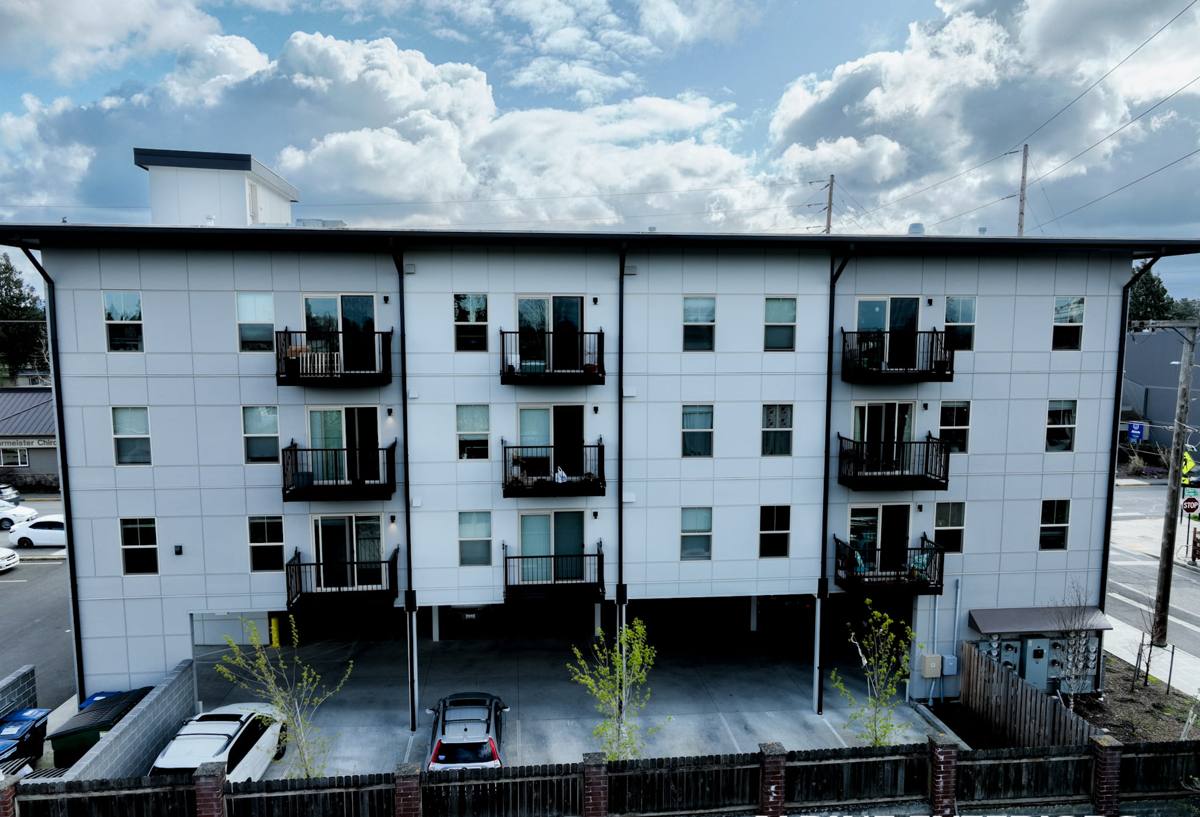
What Bellingham's Climate Actually Does to Windows
Salt Air and Metal Fatigue
Homes closer to the water pick up airborne salt that settles on window hardware, screen frames, and any exposed metal fasteners. Over years, that accelerates corrosion on lower-grade hardware — hinges that stick, cranks that seize, and fasteners that rust and stain the surrounding trim. It's not dramatic, it's slow, and it's the kind of thing that gets ignored until a window won't latch anymore.
Driving Rain and Wind-Driven Moisture
Bellingham doesn't just get rain, it gets rain pushed sideways by wind off the water, especially during fall and winter storm systems. That matters for window installation because it's not enough for a window to be watertight when rain falls straight down — the flashing, house wrap integration, and sill pan all have to handle water that's being pushed up and under the frame edges. A lot of window leaks in this region trace back to installation shortcuts around flashing, not the window unit itself.
Moss and Prolonged Dampness
Whatcom County's moss season is long, and it's not just a roof problem. Moss and algae readily take hold on north-facing window sills, in corners of exterior trim, and anywhere wood or composite material stays damp for extended periods. Sustained dampness against a window's wood components — especially older wood-frame windows — softens material over time and creates conditions for rot to start where you can't see it, behind trim or under a sill.
Signs a Birchwood Home Needs New Windows
Not every window problem means full replacement, but these are the signs worth taking seriously in this climate:
- Visible fogging or moisture between panes on double- or triple-glazed units — a sign the seal has failed
- Soft or discolored wood at the sill or lower frame corners, often where moss or standing water has sat
- Drafts you can feel near the frame edges even with the window fully latched
- Hardware — cranks, latches, locks — that's stiff, rusted, or won't fully engage
- Visible daylight or gaps between the frame and the surrounding wall trim
- Paint or caulk that's cracked and pulling away from the frame, letting water track behind it
- Noticeably higher heating bills in a home that hasn't otherwise changed
Some of these are cosmetic and can wait. Soft wood at a sill or active water intrusion around a frame shouldn't — those tend to get worse through a Bellingham winter, not better.
What a Correct Window Installation Actually Involves
The window unit itself is only part of the job. In a climate like ours, the installation details around the window are what determine whether it lasts. A correct install includes:
Removal Without Collateral Damage
Old windows and their surrounding trim need to come out without tearing the house wrap or sheathing more than necessary. Rushed removal is one of the more common ways a new window ends up with a hidden leak path it didn't need to have.
Sill Pan and Flashing
A sloped sill pan under the window directs any water that gets past the primary seal back out, rather than letting it pool and soak into the framing. Flashing tape integrates the window flange with the house wrap in the correct shingle-lap order — top piece over the sides, sides over the bottom — so water sheds outward the way gravity and wind-driven rain both expect it to.
Air Sealing and Insulation Around the Frame
The gap between the window frame and the rough opening needs to be filled with a material that stays flexible and doesn't compress out over time — not stuffed with fiberglass alone, which settles and leaves cold spots. This is where a lot of the draft complaints on "new" windows actually come from: not the window, the gap around it.
Exterior Trim and Sealant
Final trim and a quality exterior-grade sealant close the job out, but sealant is a backup layer, not the primary water barrier — the flashing underneath is what actually keeps water out long-term.
Frame Materials: What Holds Up in This Climate
Material choice matters more here than in a drier climate, mainly because of how each material handles sustained moisture and occasional salt air exposure.
| Material | How It Handles Local Conditions | Maintenance Reality |
|---|---|---|
| Vinyl | Doesn't rot or corrode; handles moisture and salt air well | Low — occasional cleaning, no painting or sealing needed |
| Fiberglass | Very stable, resists moisture and temperature swings well | Low — durable finish, minimal upkeep |
| Aluminum | Strong but conducts cold and can corrode faster in salt air without a quality finish | Moderate — hardware and finish need periodic attention |
| Wood (clad or unclad) | Handsome, but exposed wood is the most vulnerable to our rain and moss season | Higher — regular painting/sealing, prompt attention to any soft spots |
We're not telling homeowners wood windows are a bad product — plenty of people want the look and are willing to keep up with the maintenance. Our professional standard is to be upfront: an unclad wood window in a Birchwood yard with heavy tree cover and moss exposure is a higher-upkeep choice than a vinyl or fiberglass unit, and we'll tell you that plainly before you buy rather than after.
Our Process for a Birchwood Window Job
- On-site assessment. We look at the actual condition of each opening — framing, existing flashing, any signs of past water intrusion — not just the window itself.
- Honest scope and estimate. You get a clear picture of what's replacement-only versus what needs additional flashing or trim repair, and why.
- Removal and opening prep. Old units come out carefully; any soft or damaged framing is flagged before we close anything back up.
- Sill pan, flashing, and window set. This is the step that determines long-term performance, and it's not one we shortcut to save time.
- Insulation, trim, and sealant. The opening gets properly filled and finished, inside and out.
- Walkthrough. We check operation, latching, and seal on every window before we consider the job done.
What Affects the Cost of a Window Installation
| Factor | Why It Matters |
|---|---|
| Number and size of windows | More openings and larger units mean more material and labor |
| Frame material | Vinyl and fiberglass generally cost less upfront than clad wood or premium aluminum |
| Condition of the existing opening | Rot or water damage found during removal adds repair work before the new window can go in |
| Access and home layout | Second-story or hard-to-reach openings take more time and setup |
| Trim and finish work | Matching existing exterior trim or upgrading it adds to the scope |
We don't publish blanket per-window prices because the honest answer depends on what we find at your specific openings — that's what the on-site estimate is for.
Why a Crew That Already Works Birchwood Matters
Window installation done by a crew that hasn't worked much in this specific part of Whatcom County isn't necessarily bad, but it often misses the details that matter here — treating flashing as optional in a "mild" climate, or not accounting for how much moisture a north-facing sill under tree cover actually sees through a Bellingham winter. A crew that regularly works Birchwood and the surrounding Bellingham area has already seen how salt air, driving rain, and moss affect these homes specific to this ground, this tree cover, and this weather pattern — not a generalized national average. That translates into fewer callbacks and windows that are still performing well years down the road.
Keeping New Windows Performing Long-Term
Even a correctly installed window benefits from basic upkeep in this climate:
- Clear moss and debris from sills and tracks, especially on shaded or north-facing windows
- Wipe down hardware periodically if the home is closer to the water, to slow salt-related corrosion
- Check exterior caulk lines each year and touch up before winter rains set in
- Operate every window a few times a year so hardware doesn't seize from disuse
- Watch for any new soft spots or discoloration at sills after a heavy rain season
If you're noticing drafts, fogged glass, or soft wood around your windows — or you're just ready to stop dealing with old, stuck hardware — we're happy to take a look. The estimate is free, there's no pressure, and you'll get a straight answer about what your Birchwood home actually needs. Use the form below to get started.