 Bellingham
 Why Sehome Siding Takes More Punishment Than People Expect
Sehome sits close enough to Bellingham Bay that salt-laden air is a fact of life, not an occasional nuisance. That salt air settles on exterior surfaces year-round, and combined with driving rain funneling in off the water and a moss season that can run from early fall well into spring, it creates conditions that most siding materials were never designed to handle for decades on end. Homeowners in this neighborhood often notice the same pattern: paint failing early on the north and west-facing walls, dark streaking near rooflines, and soft spots showing up around trim and window edges before the rest of the house shows its age.
None of this is unusual for Whatcom County. It's just what happens when a marine climate meets wood-based or lower-grade siding products over enough winters. The fix isn't more frequent repainting or heavier caulking — it's starting with a siding system engineered for exactly this kind of exposure, and installing it the way the manufacturer actually specifies.
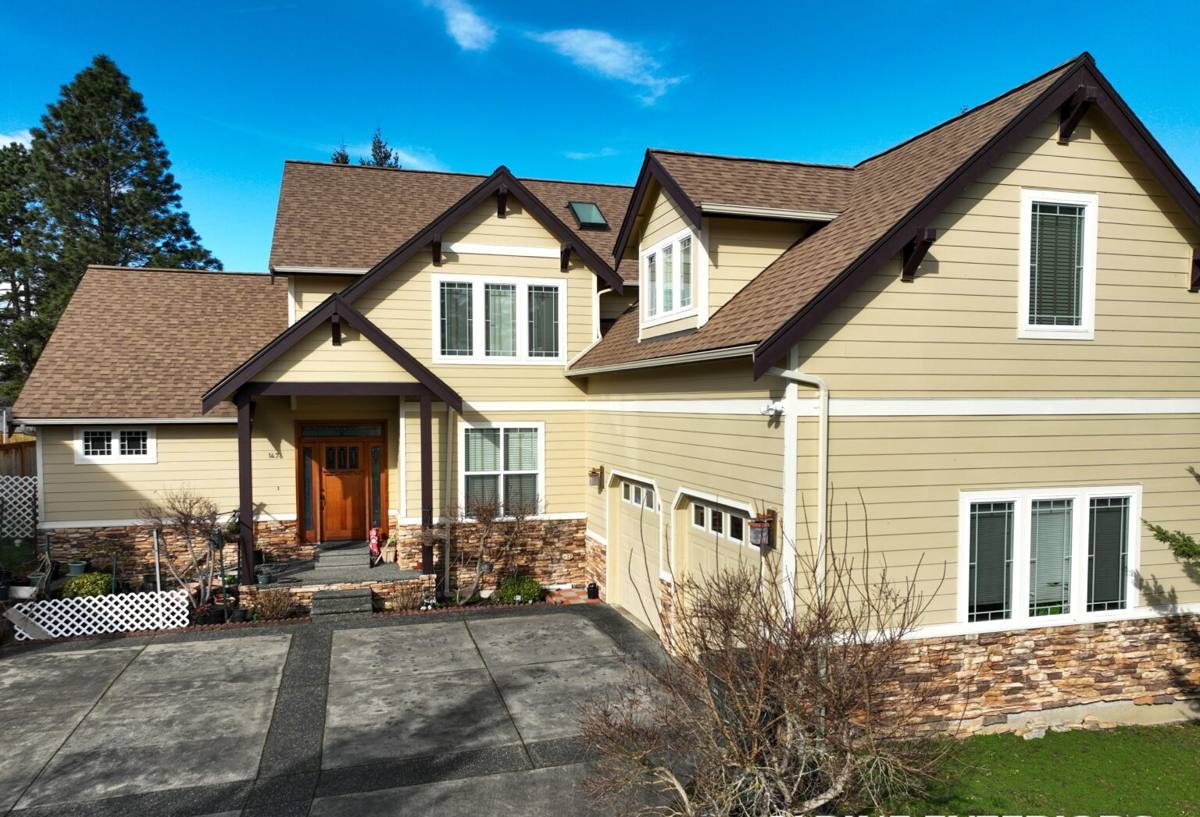
What Sehome Homes Actually Need From Their Siding
Moisture Management First, Looks Second
In a lot of the country, siding decisions come down to color and style. In Sehome, the more important question is how the material and the installation handle water that's going to hit the wall sideways, sit against it in a fine mist for days, and never fully dry out between storms. Siding that traps moisture behind it, or that relies on paint film alone to stay watertight, is working against the climate instead of with it.
Resistance to Moss, Algae, and Mildew Staining
The long moss season here isn't just a roof problem. Shaded walls, especially under eaves and on the north side of a house, stay damp long enough for algae and mildew to take hold on porous or absorbent surfaces. Once that staining sets in, it's difficult to fully clean off without damaging paint or the material underneath.
Stability Through Wet-Dry and Freeze-Thaw Cycles
Bellingham doesn't get extreme cold most winters, but it does get enough freeze-thaw swings combined with constant moisture exposure to stress materials that expand and contract at different rates than the framing behind them. Over years, that movement is what opens gaps at seams and fastener points — and gaps are where water gets in.
Why We Install Only James Hardie Fiber Cement
We made a decision as a company to install James Hardie siding exclusively, and a neighborhood like Sehome is exactly why. James Hardie fiber cement is manufactured from cement, sand, and cellulose fiber — it doesn't absorb and hold water the way wood-based products do, and it's non-combustible, which matters given how often wildfire smoke and dry late-summer stretches now show up even on this side of the Cascades.
James Hardie's HZ5 product line is engineered specifically for climates like ours — areas with sustained moisture exposure and freeze-thaw cycling. It's built with different moisture and impact performance characteristics than Hardie's products sold in warmer, drier regions, which is the kind of detail that gets lost if a crew treats siding as a one-size-fits-all install.
The factory-applied ColorPlus finish is baked on under controlled conditions rather than field-sprayed after installation. That matters in Sehome specifically because it means the color coat isn't depending on a dry, temperature-stable install day to cure correctly — something that's never guaranteed here. It also holds color and resists fading and moisture-driven peeling far longer than field-applied paint typically does.
Being Honest About the Alternatives
We get asked why we don't install vinyl, LP SmartSide, cedar, or primed spruce, and we think homeowners deserve a straight answer rather than a sales pitch. Each of those products has a legitimate place in the market — they're just trade-offs we're not willing to install on a Sehome home and stand behind for the long haul.
- Vinyl is inexpensive and low-maintenance in mild conditions, but it expands and contracts significantly with temperature swings, its seams and J-channels are a common water entry point, and it doesn't stop moss and grime buildup the way a dense fiber-cement surface does.
- LP SmartSide is an engineered wood product, meaning any cut edge, gap, or failed caulk joint exposes wood fiber directly to moisture. It can perform well when maintained closely, but that maintenance burden — recaulking, resealing cut edges, prompt repainting — is exactly what a marine climate punishes if it slips.
- Cedar and primed spruce look great on day one, but real wood siding in this climate needs consistent restaining or repainting, is more vulnerable to rot at end grain and fastener points, and is a more attractive target for moisture-loving pests over time.
None of that means those products are junk — it means we've chosen to build our business around installing one system correctly rather than offering several and hoping each one gets maintained on schedule for the next thirty years.
What a Correct Hardie Installation Actually Involves
The siding itself is only half the equation. Most premature siding failures we get called out to inspect trace back to installation shortcuts, not the product. A correct Hardie install in a climate like this one includes:
Water Management Details
- Proper weather-resistive barrier and rainscreen or drainage plane behind the siding, so any moisture that does get past the surface has somewhere to drain and dry out.
- Correct flashing at every window, door, and roofline transition — not just caulk bridging the gap.
- A weep screed or proper clearance at the foundation line, keeping the bottom edge of the siding away from standing water and splash-back.
- Manufacturer-specified gaps at butt joints and trim, sealed with the right sealant rather than over-caulked to hide a bad fit.
Fastening and Materials
James Hardie specifies particular fastener types, spacing, and embedment depth, and in a salt-air environment like Sehome's, using corrosion-resistant fasteners isn't optional — it's the difference between fastener heads that stay tight and ones that streak and back out within a few years. We follow Hardie's published installation and fastening guides to the letter, because that's also what keeps the manufacturer's warranty intact if anything ever needs to be addressed down the road.
Our Process, Start to Finish
- Free on-site estimate. We walk the house with you, check the condition of the existing siding and sheathing, and look specifically for moisture damage that's common in this neighborhood — soft trim, staining, or gaps at penetrations.
- Tear-off and sheathing inspection. Once the old siding is off, we check the sheathing underneath for hidden rot before anything new goes up. Covering up a compromised wall is worse than doing nothing.
- Weather barrier and flashing installation. This is the step that determines how the house performs in year ten, not just year one — and it's the step that's easiest to shortcut if a crew is moving fast.
- Hardie siding installation to manufacturer spec. Correct fastening, correct joint treatment, correct clearances at grade, roofline, and trim.
- Final walkthrough. We go over the finished work with you directly and explain what maintenance, if any, the ColorPlus finish will need going forward.
Why a Crew That Already Works in Sehome Matters
Sehome has its own mix of home ages and construction styles, and a crew that's worked the neighborhood already has a feel for where moisture problems tend to hide — around older trim details, at additions tied into original framing, and on walls shaded by mature trees that never fully dry between storms. That familiarity shortens the guesswork during the estimate and the tear-off.
There's also the practical matter of accountability. A local crew is the one you can call back if a question comes up two, five, or fifteen years after the install — not a crew that worked the area for one season and moved on. Warranty support, whether it's the manufacturer's coverage or our own workmanship standard, only means something if the people who did the work are still reachable.
Siding Options Compared for This Climate
| Material | Moisture Resistance | Moss/Algae Resistance | Maintenance Needed | Fire Rating |
|---|---|---|---|---|
| James Hardie Fiber Cement | High — non-combustible, engineered HZ5 line for this region | High — dense surface resists buildup | Low — occasional rinse, no repainting cycle with ColorPlus | Non-combustible |
| Vinyl | Moderate — seams and channels can leak | Moderate — surface grime attracts algae | Low, but limited lifespan in temperature swings | Combustible |
| LP SmartSide (Engineered Wood) | Moderate — vulnerable at cut edges and failed caulk | Moderate — needs sealed, maintained finish | Moderate to high — regular caulk and paint upkeep | Combustible |
| Cedar/Primed Spruce | Lower — absorbs moisture at grain and joints | Lower — prone to staining in shaded, damp areas | High — restaining/repainting on a set schedule | Combustible |
What Affects the Cost of a Sehome Siding Project
Every home is different, but the main cost drivers on a Hardie siding project in this neighborhood tend to be the same handful of factors:
| Factor | Why It Matters |
|---|---|
| Home size and number of stories | More wall area and taller walls mean more material and more time for safe, proper installation. |
| Condition of existing sheathing | Hidden rot found during tear-off adds repair work before new siding can go on correctly. |
| Trim and architectural detail | Homes with more corners, dormers, or trim transitions take longer to flash and finish correctly. |
| Panel vs. lap profile and color choice | Different Hardie profiles and ColorPlus colors carry different material costs. |
| Accessibility | Tight lots, mature landscaping, or limited staging area can add time to the job. |
We walk through all of this during the estimate so you know exactly what's driving the number, not just a bottom-line figure.
Keeping Hardie Siding Looking Right Through the Seasons
One of the real advantages of James Hardie with a ColorPlus finish is how little upkeep it needs compared to painted wood or engineered wood siding — but "low maintenance" isn't "no maintenance." A short annual routine keeps it performing the way it's designed to:
- Rinse salt spray and general grime off the walls once or twice a year with a garden hose and soft brush — avoid high-pressure washing, which can force water behind panels or damage caulk joints.
- Keep gutters clear so overflow isn't running down the siding face during heavy rain.
- Trim back vegetation and tree limbs that keep any section of wall in constant shade and dampness.
- Inspect caulk joints at trim, windows, and butt joints once a year, and have any cracked or missing sealant redone promptly.
- Check fastener heads periodically for any sign of corrosion streaking, especially on walls facing the water.
If your Sehome home's siding is showing early wear, or you're planning ahead rather than waiting for a problem, we're happy to take a look and give you a straightforward, no-pressure estimate — just fill out the form below.