 Bellingham
 Why Fairhaven's Marine Climate Is Hard on Windows
Fairhaven sits close enough to Bellingham Bay that salt-laden air is a fact of life, not an occasional nuisance. That air finds its way into hardware, weep holes, and any gap in a window's weather barrier, and over years it corrodes fasteners and hinges faster than it would a few miles inland. Add Whatcom County's long wet season, with driving rain that comes in sideways off the water during winter storms, and you have a climate that punishes any window installed with shortcuts.
Then there's moss. Bellingham's moss season runs long, and it doesn't stay confined to roofs. It creeps into window sills, tracks, and the joints between trim and siding, holding moisture against wood and painted surfaces for weeks at a time. A window that isn't properly flashed and sealed in this environment doesn't just look tired sooner — it lets water behind the wall, where the real damage happens.
None of this means Fairhaven homes need exotic materials or unusual designs. It means the installation has to be done correctly the first time, with attention to the details that matter in a marine climate: drainage, flashing sequence, sealant choice, and frame material that can handle salt air without constant upkeep.
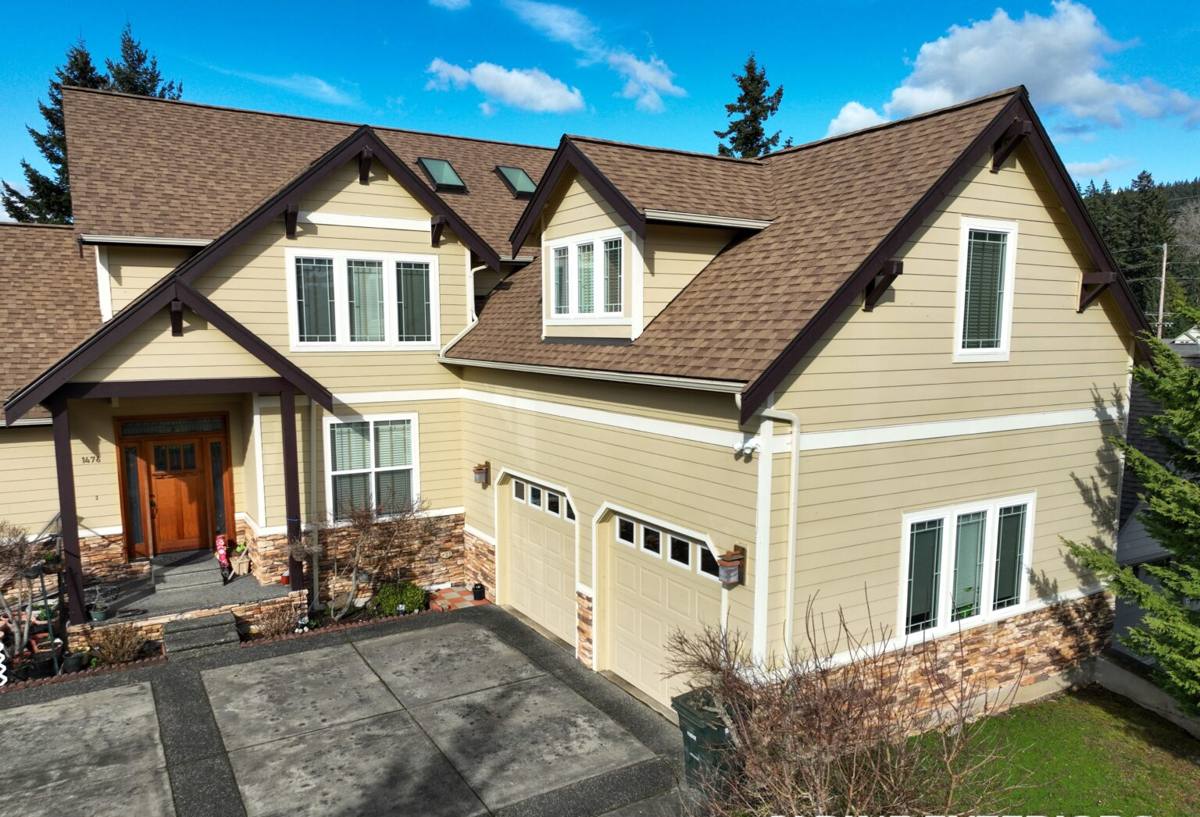
Signs Your Windows Are Overdue for Replacement
Homeowners often live with failing windows longer than they realize because the problems show up gradually. In Fairhaven's climate, watch for these:
- Fogging or a hazy film between the panes of a double-pane window — the seal has failed and the insulating gas is gone
- Wood trim or sills that feel soft, spongy, or show dark staining, especially on the side of the house facing the prevailing weather
- Visible corrosion or stiff, hard-to-operate hardware on aluminum or steel components
- Drafts you can feel near the frame on a windy day, even with the window latched
- Moss or persistent green growth building up in the sill track or exterior trim joints
- Paint that keeps peeling or bubbling around the window opening no matter how often it's touched up
- Difficulty opening, closing, or locking the window, which often points to a frame that's no longer square
Any one of these on its own might just mean a minor repair. Several at once, especially on an older window, usually means the unit and its installation have reached the end of their useful life.
What a Correct Window Installation Actually Involves
A window installation is judged less by the window itself and more by what happens around it. The unit is a manufactured product built to a spec; the installation is where a crew's skill either protects your wall assembly for decades or sets up a slow leak that won't show itself for years.
Flashing and Water Management
Every opening needs a flashing sequence that sheds water down and out, never trapping it behind the siding. That means sill pans or sloped sill flashing, properly lapped jamb and head flashing, and integration with the house wrap or weather-resistive barrier so water is directed to the outside at every layer. In a climate with as much driving rain as Whatcom County sees, this step matters more than the brand of window going into the opening.
Insulation and Air Sealing
The gap between the window frame and the rough opening needs to be filled with a material that stays flexible and doesn't compress or shrink over time, then sealed on the interior and exterior with the right sealant for the substrate. Overfilling with rigid foam can actually bow a frame out of square; underfilling leaves a cold, drafty gap. Getting this balance right is a matter of experience, not just following a manual.
Fit, Level, and Square
A window that's slightly out of level or square will bind, won't lock properly, and puts uneven stress on the seals, shortening their life. Shimming and fastening need to hold the unit plumb, level, and square through the life of the house, including as it settles.
Choosing a Frame Material for Salt Air and Rain
Frame material has a real effect on how a window holds up near Bellingham Bay. Here's how the common options compare for this specific environment.
| Frame Material | Salt Air / Corrosion Resistance | Maintenance | Typical Lifespan |
|---|---|---|---|
| Vinyl | Good — won't corrode; hardware quality varies by manufacturer | Low — occasional cleaning, no painting | 20–30+ years |
| Fiberglass | Very good — dimensionally stable, resists warping in wet-dry cycles | Low — occasional cleaning, factory finish holds up well | 30–40+ years |
| Wood (unclad) | Poor without diligent upkeep — prone to rot and moss growth in shaded, damp spots | High — regular painting or staining and moisture checks | Varies widely with maintenance |
| Wood-clad (vinyl or aluminum exterior) | Good on the exterior face; interior wood still needs monitoring | Moderate — less exterior upkeep than bare wood | 20–30+ years with care |
We don't push one material on every homeowner. A wood-clad window can be the right call for matching a home's existing character, as long as the homeowner understands the maintenance commitment. For most Fairhaven homes exposed directly to weather off the bay, vinyl or fiberglass frames simply ask less of you over the years, which is why we recommend them as the lower-maintenance default rather than a hard rule.
New Construction vs. Replacement (Retrofit) Windows
New Construction Windows
These have a nailing flange and are installed into a wall opening down to the studs, with flashing tied directly into the house wrap. This is the right approach when siding is already being removed, when a window is being resized, or when the existing frame and sill have moisture damage that needs to be addressed before a new unit goes in.
Insert (Pocket) Replacement Windows
These fit into the existing frame, leaving the surrounding trim and siding undisturbed. It's a faster, less invasive option when the existing frame is still sound, square, and dry. The trade-off is that you're relying on the old frame's condition, so this only makes sense after we've confirmed there's no hidden rot or water intrusion behind it.
We'll tell you honestly which category your project falls into after a look at the existing openings — not every job needs the more invasive, more expensive option, but skipping it when it's actually needed just delays a bigger repair.
Our Installation Process, Start to Finish
- On-site assessment of each window opening, including a check for existing moisture damage or rot behind the trim
- Written estimate covering window units, installation method, and any carpentry or repair work the openings need
- Careful removal of the existing window and inspection of the rough opening and sill before anything new goes in
- Repair of any damaged sheathing, framing, or sill material found during removal
- Installation of sill pan and flashing, then the new window, shimmed plumb, level, and square
- Insulation of the gap around the frame and sealing of both interior and exterior joints
- Reinstallation or replacement of interior and exterior trim, matched to the surrounding finish where possible
- Final operation check on every window — opening, closing, locking, and screen fit — before we call the job done
What Affects the Cost of a Window Installation
Every home is different, but the same handful of factors drive most of the cost variation we see on Fairhaven jobs:
- Window size, style, and number of operable panels (single-hung, casement, sliding, etc.)
- Frame material and glass package, including double- versus triple-pane and low-E coatings
- Whether the job is a straightforward insert replacement or requires new-construction framing
- Condition of the existing rough opening — hidden rot or water damage adds repair time
- Trim and siding work needed to finish the opening cleanly
- Number of windows done at once, since mobilization and setup costs spread across a larger job
We give a straightforward written estimate after seeing the actual openings, not a phone-quote guess. Broad, honest ranges are easy to give once we know the window count, style, and what condition the openings are in.
Why Hire a Crew That Already Works in Fairhaven
Fairhaven's housing stock ranges from older homes near the historic district to newer construction farther from the water, and each brings a different set of considerations — older wood-frame construction that needs a careful look behind the trim, or newer homes where the main concern is simply making sure the original installation was done right the first time. A crew that regularly works this specific area already understands how exposure to Bellingham Bay's salt air and Whatcom County's wet winters shows up in real installations, not just in a manufacturer's spec sheet.
That local familiarity shows up in small but meaningful ways: knowing which frame materials hold up without constant upkeep this close to the water, recognizing early moss and moisture damage before it becomes a structural problem, and building in the flashing and drainage details that matter most when the rain comes in sideways off the bay.
If your windows are drafty, fogged, hard to operate, or just showing their age, we're happy to take a look and give you a straightforward, no-pressure estimate using the form below.