 Bellingham
 Asphalt Shingle Roofing for Fairhaven's Waterfront Conditions
Fairhaven sits right on Bellingham Bay, and that location shapes almost every roofing decision a homeowner here has to make. A shingle roof that holds up fine a few miles inland, away from the water, can wear out faster in Fairhaven if it wasn't built with this neighborhood's specific conditions in mind. Salt-laden air off the bay, driving rain that comes in sideways during winter storms, and a long moss season under the tree canopy common to this part of Whatcom County all put extra stress on a roof system. This page focuses on one thing: what it actually takes to install and maintain an asphalt shingle roof that's right for a Fairhaven home, not a generic roof spec pulled from a national manual.
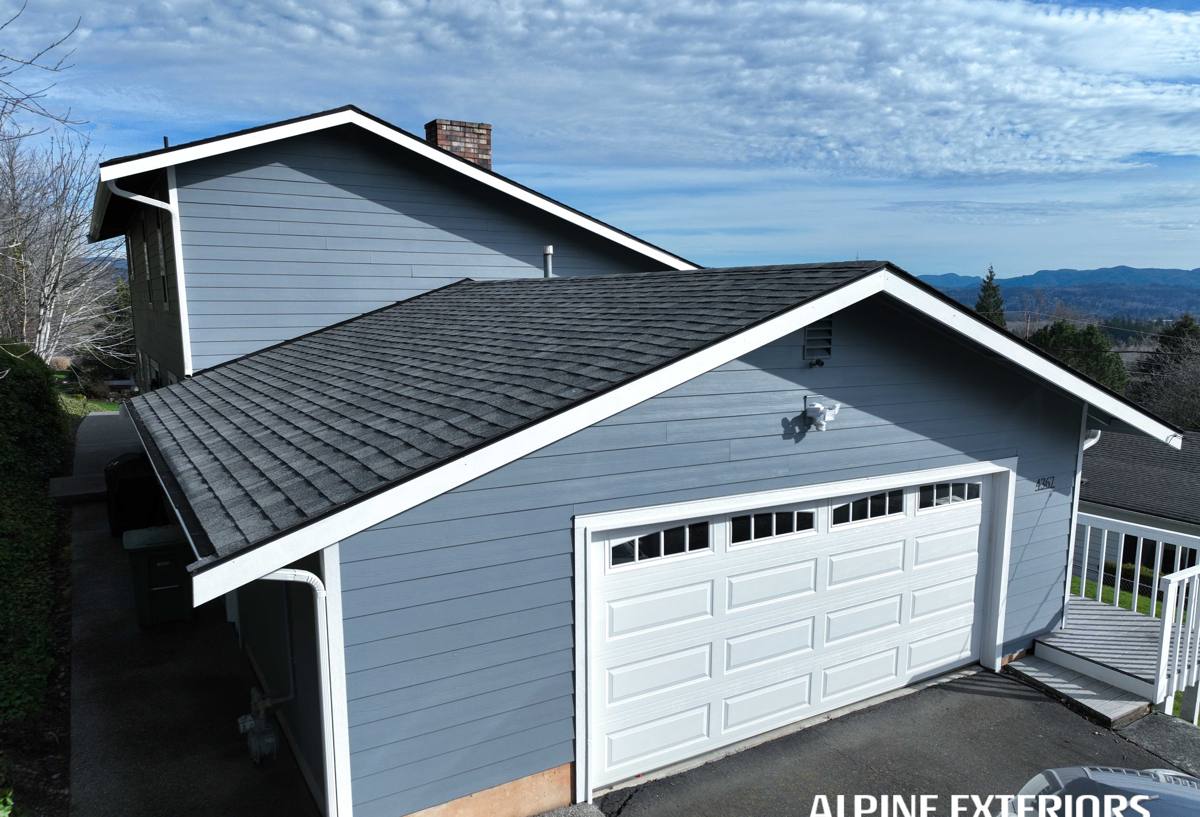
What Fairhaven's Climate Actually Does to a Shingle Roof
Understanding the wear pattern matters more than knowing the general climate forecast. Three things specifically affect roofs in this part of Bellingham.
Salt Air and Metal Components
Roofs aren't just shingles. Every asphalt shingle system relies on metal: nail fasteners, drip edge, step flashing around chimneys and walls, valley metal, and vent housings. Salt-carrying air off the bay accelerates corrosion on lower-grade or improperly coated metal over time. On a roof close to the water, we pay close attention to fastener and flashing material selection, because a shingle field can look fine while the metal underneath it is quietly failing years ahead of schedule.
Driving Rain and Wind-Driven Wet
Storms moving in off the water don't always drop rain straight down. Wind pushes it sideways and up under shingle edges, especially at eaves, rakes, and any roof-to-wall transition. A shingle roof that's only built to handle vertical rainfall will eventually show leaks at these transition points, even if the field of the roof is in decent shape. Underlayment choice and detail work at these vulnerable spots matter as much as the shingle brand itself.
Moss and the Long Wet Season
Bellingham's tree cover and extended damp season give moss a long runway to establish itself, and Fairhaven's mix of mature trees and shaded lots is a good environment for it. Moss isn't just cosmetic — as it grows it lifts shingle edges, holds moisture against the roof deck, and shortens the service life of the shingles underneath it. A roof plan for this area has to account for moss from day one, not treat it as an afterthought.
Choosing the Right Shingle System for This Neighborhood
Not every asphalt shingle product is a good match for a coastal, moss-prone environment. When we spec a roof for a Fairhaven home, a few things get extra attention.
Algae- and Moss-Resistant Granules
Most manufacturers now offer shingle lines with copper- or zinc-infused granules designed to resist algae and moss growth over the life of the roof. In an area with Fairhaven's tree cover and moisture exposure, this isn't a nice-to-have upgrade — it's a practical requirement if you want the roof to look and perform the way it should ten or fifteen years in.
Underlayment and Reinforced Vulnerable Areas
We use synthetic underlayment as standard, and we add self-adhered ice-and-water barrier at eaves, valleys, and roof-to-wall transitions — the exact spots where wind-driven rain gets pushed under the shingle field. This is a detail that doesn't show up on a finished roof but makes a real difference during a bad winter storm off the bay.
Ventilation That Matches the Moisture Load
A shingle roof with poor attic ventilation traps moisture underneath the deck, which shortens shingle life and can encourage rot and mold in the attic space. In a damp coastal climate, balanced intake and exhaust ventilation isn't optional — it's part of what makes the rest of the roofing system last as long as it's supposed to.
Shingle Options: What Actually Fits a Fairhaven Home
Homeowners often ask us to just recommend "the good one." The honest answer depends on the roof's exposure, the home's style, and the budget. Here's how the common tiers stack up for this specific environment.
| Shingle Type | Typical Lifespan | Performance in Salt Air & Moss Conditions | Best Fit |
|---|---|---|---|
| 3-tab shingles | 15–20 years | Lower wind rating and thinner profile; moss and algae resistance is limited unless specifically treated | Budget-driven projects, secondary structures |
| Architectural (laminate) shingles | 25–30 years | Heavier mat and higher wind rating; available with algae-resistant granules, a strong fit for bay-side exposure | Most Fairhaven primary residences |
| Premium/designer shingles | 30+ years | Thickest mat, best wind and impact ratings, longest-lasting algae protection | Steep-slope, highly visible, or historic-character homes |
For most homes in this neighborhood, an architectural shingle with algae-resistant granules and a matching wind rating is the practical middle ground — enough durability for the coastal exposure without paying for protection a given roof doesn't need.
What a Correct Installation Involves
The shingle brand gets most of the attention, but the details underneath it determine whether a roof actually performs in Fairhaven's conditions. A correct job includes:
- Full tear-off and deck inspection — replacing any soft, rotted, or delaminated sheathing before new material goes down
- Self-adhered ice-and-water membrane at eaves, valleys, and all roof-to-wall transitions
- Synthetic underlayment across the full roof field
- Corrosion-resistant flashing and fasteners at chimneys, sidewalls, and vent penetrations
- Balanced intake and exhaust ventilation sized to the attic space
- Algae-resistant shingles matched to the home's wind exposure
- Proper nailing pattern and fastener count per manufacturer specification, not just per code minimum
Skipping any one of these doesn't necessarily show up on day one. It shows up as a leak, a moss colony, or premature granule loss three, five, or eight years down the road — usually right around the time a homeowner thought they'd bought themselves another decade.
Our Process for a Fairhaven Roofing Project
The steps aren't unusual, but the judgment calls at each one are shaped by what we've seen work on roofs in this specific area.
- On-site inspection: We look at the current roof's condition, the deck underneath if accessible, existing ventilation, and how exposed the roof is to bay wind and shade-driven moss growth.
- Written estimate: A clear breakdown of shingle system, underlayment, flashing, and ventilation work — no vague allowances.
- Material selection walk-through: We explain shingle tier options and why we're recommending a specific product for that particular roof, rather than defaulting to one brand for every house.
- Tear-off and deck repair: Old roofing comes off, and any damaged decking gets replaced before anything new goes down.
- Underlayment and flashing installation: This is where the coastal-specific details — ice-and-water barrier, corrosion-resistant metal — get built in.
- Shingle installation: Installed to manufacturer spec for wind exposure, with attention to nailing pattern and exposure lines.
- Final walk-through: We review the completed roof with the homeowner and go over basic maintenance expectations for the first few years.
Maintenance: Keeping Moss and Debris From Shortening Roof Life
Even a well-built shingle roof needs some ongoing attention in a climate like this. A little seasonal upkeep goes a long way toward getting the full lifespan out of the investment.
- Clear gutters and valleys of needles and leaf debris at least twice a year — clogged gutters back water up under the shingle edge
- Have moss growth treated or removed before it spreads across a full slope, rather than after
- Trim back tree limbs that keep a roof section shaded and damp for most of the day
- Check flashing around chimneys and vent pipes periodically for corrosion or lifted edges
- After a major windstorm off the bay, do a visual check (from the ground) for missing or lifted shingles
- Avoid pressure washing a shingle roof — it strips granules and shortens shingle life rather than protecting it
Why a Crew That Already Works in Fairhaven Makes a Difference
Fairhaven is a distinct part of Bellingham — a historic waterfront neighborhood with its own mix of older homes and infill construction, closer to the bay than most of the rest of the city. A crew that regularly works this area already knows how exposed a given block tends to be to wind and salt air, what kind of tree cover and moss pressure is typical, and how older roof framing in this part of town commonly needs to be handled during tear-off. That local pattern recognition means fewer surprises mid-project and a roofing spec that matches the house instead of a one-size-fits-all approach. It also means a contractor who's easy to reach for a warranty check or a follow-up question, not one who disappears once the invoice is paid.
Warranties and What They Actually Cover
Manufacturer warranties on asphalt shingles typically cover material defects, but the length and terms vary by shingle tier, and most are prorated after an initial full-coverage period. Just as important is the workmanship warranty from whoever installs the roof — since the majority of roof failures trace back to installation detail, not the shingle material itself. Ask any roofing contractor to explain both warranties in plain terms before signing a contract, and get the coverage terms in writing rather than relying on a verbal promise.
If you're weighing a new roof or a repair for a Fairhaven home, we're happy to take a look and give you a straight, no-pressure estimate — no scare tactics, just an honest read on what your roof actually needs. Use the form below to get started.