 Bellingham
 Decks in Edgemoor Take a Different Kind of Beating
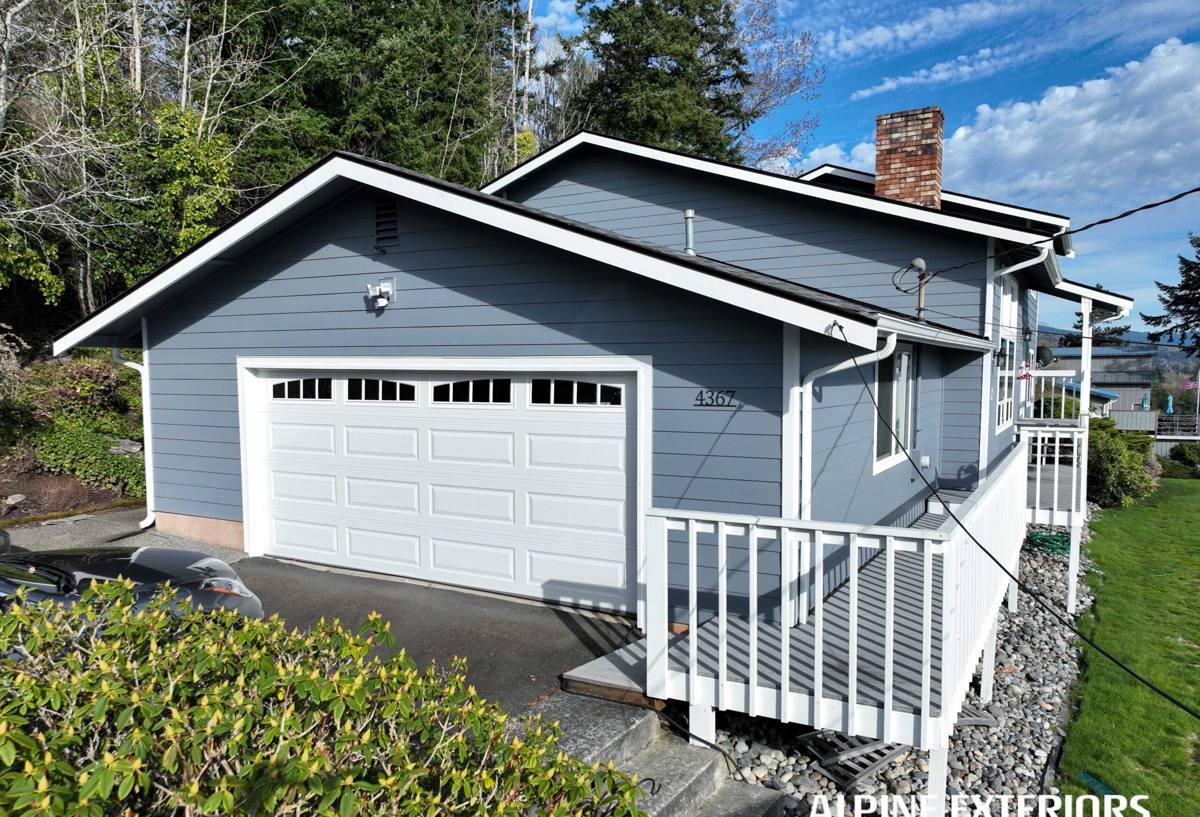
Edgemoor sits close enough to the water and under enough mature tree cover that its decks don't age the way decks do in drier, more open parts of Whatcom County. The combination of salt-laden air off Bellingham Bay, long stretches of driving rain through fall and winter, and heavy shade from established trees creates a microclimate that's genuinely tougher on exterior wood and fasteners than a typical inland lot. If you've owned a home in this neighborhood for more than a few years, you've probably already noticed it: hardware that rusts faster than it should, boards that stay damp for days after a storm, and moss that seems to come back no matter how many times you scrub it off.
A deck replacement here isn't just about swapping old boards for new ones. It's about correcting for the specific way this environment attacks a structure, so the next deck lasts closer to its full expected lifespan instead of failing early the way the first one may have.
Why Decks Fail Faster in This Part of Bellingham
Salt Air and Metal Fatigue
Proximity to saltwater accelerates corrosion on anything metal — joist hangers, screws, bolts, and structural connectors. Standard galvanized hardware that would hold up fine twenty miles inland can start showing rust streaks and pitting well ahead of schedule near the bay. Once fasteners corrode, they lose grip strength long before the wood around them shows obvious damage, which is how a deck can look fine on the surface while its connections are quietly failing underneath.
Driving Rain and Moisture Retention
Bellingham's rain doesn't just fall straight down — wind off the water pushes it sideways into ledger boards, fascia, and any spot where the deck meets the house. Combined with tree cover that blocks sun and slows drying time, this means wood in shaded sections of an Edgemoor deck can stay damp for days after a storm passes. Prolonged moisture is the single biggest driver of rot, and it's often worst in exactly the spots that are hardest to inspect — under the ledger flashing, around post bases, and between deck boards that have swollen tight together.
Moss and Organic Growth
Long, mild, wet winters give moss and algae a real head start here, and heavy tree canopy means many Edgemoor decks never get a full day of direct sun to dry out. Moss holds moisture against the wood surface, and on top of that it makes boards genuinely slick and dangerous underfoot in wet weather. Pressure washing knocks it back temporarily, but without the right decking material and drainage details, it keeps returning year after year.
What a Correct Deck Replacement Actually Involves
A deck replacement done right in this environment goes well beyond the visible decking boards. The parts homeowners don't see are usually what determines whether the new deck lasts 10 years or 25.
- Full removal of old decking, framing, and ledger connection down to sound structure — not a deck-over on top of a compromised frame
- Inspection and repair of the rim joist and sheathing behind the ledger board, since that's the area most exposed to wind-driven rain
- Proper ledger flashing with a continuous drainage path so water is directed away from the house rather than trapped against it
- Corrosion-resistant structural hardware rated for the coastal exposure this neighborhood actually sees
- Joist tape or equivalent protection on top of framing lumber to slow moisture absorption into end grain and fastener holes
- Post bases set to keep wood off grade and away from standing water, especially where tree roots or slope affect drainage
- Decking material and fastening pattern chosen with airflow and shade conditions in mind, not just appearance
Skipping any one of these steps is usually invisible on installation day and shows up as a problem three to seven years later — which is exactly the timeline we see on decks that were replaced with the boards alone and no attention to the structure underneath.
Choosing the Right Decking Material for a Shaded, Damp Lot
Not every decking product performs the same way under heavy tree cover and coastal moisture. This is one of the areas where we're upfront about trade-offs rather than steering every homeowner toward the same material.
| Material | How It Handles Shade & Moisture | Moss Resistance | Maintenance |
|---|---|---|---|
| Pressure-treated lumber | Absorbs moisture readily; needs airflow to dry between rain events | Low without regular cleaning | Annual cleaning, periodic sealing |
| Cedar | Naturally moisture-resistant but still needs to dry out; dense shade slows this | Moderate — still needs occasional cleaning | Sealing every 1-2 years to hold color and resist checking |
| Composite / capped composite | Doesn't absorb water into the board itself; less sensitive to shade | Higher, but surface film can still form in deep shade — occasional wash still needed | Low — washing only, no sealing or staining |
For decks that sit under heavy canopy or close to the water, we tend to recommend composite or capped composite decking as our professional standard, mainly because it removes moisture absorption as a failure point entirely. Wood species can still be the right call for homeowners who want a specific look and are willing to keep up with sealing on a schedule — that's a legitimate choice, just one that comes with a maintenance commitment this climate will hold you to.
Our Process for an Edgemoor Deck Replacement
1. On-Site Assessment
We look at the full structure, not just the decking surface — framing condition, ledger attachment, drainage path, sun exposure, and how close the site is to the water or dense tree cover. This tells us what we're actually dealing with before we talk about materials or price.
2. Scope and Material Selection
We walk through decking material options against your budget, the amount of shade the deck gets, and how much upkeep you want to take on long-term. No pressure toward the most expensive option — just an honest read on what fits the site.
3. Permitting
Deck replacements in the City of Bellingham typically require a building permit, especially when structural framing is being replaced or the deck is attached to the house. We handle that process as part of the job so it's not left for the homeowner to sort out.
4. Demolition and Structural Repair
Old decking and framing come out, and we address anything we find behind the ledger or in the framing that's been compromised by moisture — this is often where the real story of a deck's condition comes out.
5. Framing and Flashing
New framing goes in with corrosion-resistant hardware and proper ledger flashing, set up specifically to shed the wind-driven rain this area gets rather than a generic flashing detail.
6. Decking Installation and Finish Work
Boards go down with attention to gapping and airflow so the deck can actually dry out between storms, followed by railing, stairs, and any trim work to close the project out.
Site Conditions Unique to Edgemoor
Edgemoor's mix of waterfront-adjacent lots, mature landscaping, and sloped terrain in places means a few things come up repeatedly on decks in this neighborhood. Heavy tree cover limits how much natural drying a deck gets, which pushes us toward materials and gapping details that don't depend on sun exposure to stay dry. Proximity to the bay means salt exposure is a real factor in hardware selection, even on lots that aren't directly on the waterfront — airborne salt travels. And where lots slope toward the water or toward mature landscaping, drainage around post footings needs extra attention so water isn't sitting against support posts after every rain.
None of this is exotic engineering — it's just paying attention to the conditions that are actually present on an Edgemoor lot instead of applying a one-size-fits-all deck spec that was written for a dry, open site.
Maintaining Your New Deck in This Climate
Even a correctly built deck benefits from a bit of seasonal attention, especially in a neighborhood with this much shade and moisture. A simple yearly routine goes a long way:
- Clear leaves and debris from between boards and along the ledger line before fall rains set in
- Rinse off moss and algae buildup before it has a chance to establish, especially in shaded corners
- Check railing posts and stair connections for looseness once a year
- If you chose wood decking, keep to a sealing schedule rather than waiting until it visibly needs it
- Keep gutters and downspouts near the deck clear so runoff isn't dumping extra water onto or under the structure
- Trim back overhanging branches where practical to let in more light and airflow
What Deck Replacement Typically Costs
Every deck is different, but the biggest cost swings usually come down to size, material choice, and how much structural repair is needed once the old decking comes off. Rather than quote a flat number, it's more honest to walk through what actually drives the price up or down.
| Factor | Impact on Cost |
|---|---|
| Deck size and layout complexity | Larger footprints and multi-level designs increase material and labor |
| Decking material (pressure-treated vs. cedar vs. composite) | Composite typically costs more upfront but less over time in maintenance |
| Condition of existing framing | Rot or hardware corrosion found during demo can add repair scope |
| Ledger and flashing work | Proper flashing takes more labor than a quick reattachment, but protects the house |
| Railing style and stairs | Custom railing systems and multiple stair sections add cost |
| Site access and slope | Sloped or hard-to-access Edgemoor lots can add labor time |
We give a firm, itemized quote after the on-site assessment, not a phone estimate — there's too much variation in what we find under an old deck to price it sight unseen.
Why a Crew That Already Works in Edgemoor Matters
A contractor who's replaced decks elsewhere in Whatcom County but hasn't worked this specific stretch near the water can miss the details that matter here — how much a shaded lot actually needs in the way of gapping and drainage, or how fast standard hardware corrodes this close to the bay. A crew that already works Edgemoor jobs has seen what happens to decks that were built without those details in mind, and builds accordingly from the start instead of learning it the hard way on your project.
If you're weighing a deck replacement and want a straight assessment of what your current deck needs and what a correctly built replacement would look like, we're happy to come take a look. There's no cost and no pressure to move forward — just a clear picture of your options, using the form below.