 Bellingham
 Board & Batten Siding in Cordata: A Look That Has to Work as Hard as It Looks Good
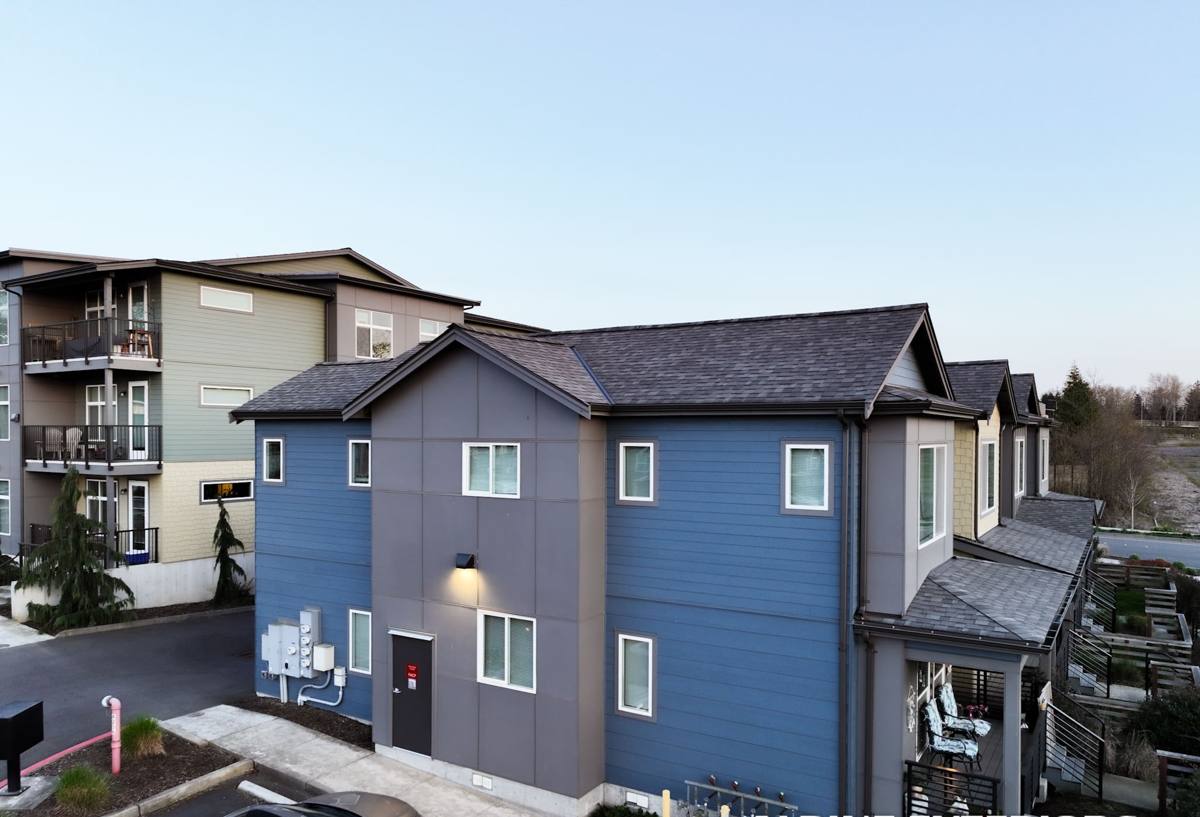
Board and batten has become one of the most requested siding profiles in Cordata over the last several years, and it's easy to see why. The vertical lines read as clean and modern against the neighborhood's mix of newer builds and older ranch and craftsman homes, and it pairs well with the kind of covered porches and gabled entries common in this part of Bellingham. But board and batten is also one of the least forgiving profiles to get wrong. The battens create dozens of extra seams, laps, and fastening points compared to standard lap siding, and every one of those details is a potential water entry point if it isn't handled correctly. In a neighborhood that sits close enough to the water to catch salt-laden air and far enough into the Pacific Northwest weather pattern to see extended stretches of driving rain, that margin for error matters.
What Cordata's Climate Actually Does to Vertical Siding
Whatcom County doesn't get the wind-driven hurricanes of other regions, but it makes up for it with persistence. Cordata sees long, wet stretches from fall through spring, and the moisture doesn't just fall straight down — driving rain off Bellingham Bay pushes water sideways into wall assemblies, and vertical board and batten profiles are more exposed to that horizontal push than horizontal lap siding because the battens themselves act as small dams that can trap water against the wall if they aren't detailed correctly.
Salt Air
Proximity to Puget Sound means homes throughout Bellingham, including Cordata, deal with a low but constant level of salt in the air. Salt air accelerates corrosion in fasteners, flashing, and any metal trim components, and it also degrades cheaper paint and coating systems faster than an inland climate would. Siding materials and finishes that aren't engineered for a coastal-adjacent environment tend to show fading, chalking, or fastener staining years before they should.
Long Moss Season
Bellingham's moss season isn't a two-month event — it's closer to eight or nine months of the year where conditions stay damp enough for moss, algae, and mildew to take hold on north-facing and shaded walls. Board and batten's vertical battens create more shadow lines and more places for organic growth to establish, especially where battens sit tight against a wall without any airflow behind them.
Why the Material Underneath the Battens Matters More Than the Look
Homeowners often shop board and batten by profile and color first, which is understandable — it's the visible part. But the batten look can be built with several very different materials underneath, and in a climate like Cordata's, that choice determines whether the siding is a 10-year problem or a multi-decade investment.
- Primed wood battens and boards absorb moisture at cut ends and fastener penetrations, and in a long wet season they're prone to swelling, cupping, and rot if paint maintenance ever lapses.
- Vinyl board and batten looks the part from a distance but is a thin, flexible material that can warp in temperature swings and doesn't hold up to impact the way a rigid material does — and it isn't fire-rated the way fiber cement is.
- LP SmartSide and other engineered wood products use a wood-strand core that is more moisture-resistant than raw wood, but the core is still wood-based, meaning any breach in the factory coating gives moisture a path to swell and eventually delaminate the panel.
- Fiber cement board and batten is dimensionally stable, doesn't support rot, and holds a factory finish far longer than field-applied paint on wood or engineered wood substrates.
We install James Hardie fiber cement exclusively, and board and batten is one of the profiles where that decision pays off the most, because it's a profile with more seams and more exposed edges than almost any other siding style.
The James Hardie System We Use for Board & Batten
Our board and batten installations use HardiePanel vertical siding as the base plane with HardieTrim boards installed as the battens over the panel joints, all finished in James Hardie's factory-applied ColorPlus finish. This is a meaningfully different system from a single sheet product scored to look like board and batten, or from separate boards and battens cut and painted on site.
Why the Panel-and-Trim System Matters
Building the look from a HardiePanel base with true HardieTrim battens over the joints means the seams between panels are covered and protected by the batten itself, rather than left as a butt joint exposed to weather. It also means the batten spacing and reveal are controlled precisely, which matters both for water management and for the finished look holding up evenly across the whole elevation.
Why ColorPlus Matters in This Climate
ColorPlus finish is baked onto the fiber cement at the factory under controlled conditions, which produces a more consistent, more UV- and salt-resistant finish than field-applied paint can match. In a neighborhood dealing with near-constant humidity and periodic salt exposure, a factory finish is one less maintenance item and one less point of failure than a job-site paint job that depends on weather windows and surface prep.
What a Correct Board & Batten Installation Involves
The visible battens are the easy part to judge. The parts that determine whether the siding lasts are almost all hidden once the job is done.
Rainscreen Gap
Board and batten should be installed over a drainage gap, not directly against the weather-resistive barrier. That gap lets any moisture that gets behind the siding drain and dry instead of sitting against the wall sheathing — this is especially important on shaded, north-facing walls in Cordata where things stay damp longer.
Flashing at Every Horizontal Transition
Window heads, door heads, and any horizontal trim band need proper head flashing, not just caulk. Caulk is a maintenance item that fails; flashing is a permanent water management detail.
Fastening Pattern
Panels and battens need to be fastened per the manufacturer's specified pattern and edge distance, into structural framing, not just sheathing. Fastener placement is one of the most common places we find shortcuts on prior installations we're asked to repair.
Batten Spacing and Reveal Consistency
Consistent batten spacing isn't just cosmetic — uneven spacing usually signals rushed layout, which often means fasteners weren't landing where they should either.
Comparing Board & Batten Material Options for a Cordata Home
| Material | Moisture Behavior in Long Wet Seasons | Salt Air Durability | Typical Maintenance |
|---|---|---|---|
| James Hardie Fiber Cement | Does not rot or swell; engineered for wet climates | Factory ColorPlus finish resists fading and salt exposure | Periodic wash; no repainting needed for the life of the finish |
| Primed Wood | Absorbs moisture at joints and cut ends; prone to cupping and rot | Standard paint degrades faster in salt air | Repainting and caulk maintenance every few years |
| LP SmartSide / Engineered Wood | Wood-strand core vulnerable if coating is breached | Moderate; depends on coating integrity | Coating inspection and touch-up over time |
| Vinyl | Doesn't rot but can warp with temperature swings and impact | Can fade and become brittle over years of UV/salt exposure | Low, but limited repair options if damaged |
Our Process for Board & Batten Projects in Cordata
Every board and batten project starts with an on-site walk of the home, because the correct approach on a shaded, north-facing wall near mature trees is not the same as the approach on a sun-exposed south wall. From there:
- We assess the existing wall assembly, moisture barrier condition, and any signs of prior water intrusion before proposing a scope.
- We plan batten layout around the home's actual window and door openings so spacing reads intentional, not arbitrary.
- We install house wrap and a drainage gap system suited to the wall's exposure.
- We install HardiePanel and HardieTrim battens to manufacturer fastening specifications, with proper flashing at every horizontal transition.
- We walk the finished job with the homeowner before considering it complete.
Because we work regularly in this neighborhood, we already have a working sense of which streets sit shadier and wetter longer into the spring, and which homes catch more direct weather off the water — that local knowledge shapes small decisions on every job, from drainage detailing to how we sequence work around the wet season.
Maintaining Board & Batten Siding in a Moss-Prone Climate
Fiber cement dramatically reduces maintenance compared to wood or engineered wood, but no siding is entirely maintenance-free in Whatcom County's climate.
- Rinse shaded and north-facing walls periodically to keep moss and algae from establishing, especially on battens where growth can start in the shadow line.
- Keep gutters and downspouts clear so overflow doesn't run down wall sections during heavy rain events.
- Keep vegetation trimmed back from siding to allow airflow and sun exposure, which shortens how long walls stay damp after rain.
- Inspect caulking at trim and penetrations annually, even with a factory-finished product, since sealant is still a maintenance item.
Why Hiring a Crew That Already Works in Cordata Matters
Board and batten forgives almost nothing in its installation details, and a crew unfamiliar with how Bellingham's wet season and coastal air behave over time is more likely to treat drainage gaps, flashing, and fastening as optional rather than essential. A crew that already installs in this neighborhood has seen how these specific conditions age siding over years, not just how a job photographs on installation day. That's the difference between board and batten siding that still looks sharp in fifteen years and siding that needs premature repair.
If you're considering board and batten siding for a home in Cordata, we're happy to walk the property, talk through what the specific wall exposures need, and put together a straightforward, no-pressure estimate using the form below.