 Bellingham
 Roof Repair Built for York's Conditions, Not a Generic Checklist
York sits close enough to the water and the weather patterns that move through Whatcom County that its roofs take on a specific kind of punishment. It's not just rain volume — Bellingham gets plenty of that everywhere — it's the combination of salt-laden air off the bay, wind-driven rain that finds its way sideways under loose flashing, and a moss season that runs longer here than it does inland. A roof repair that ignores those three factors might look fine on the day we leave and fail again within a year. We approach York repairs differently because we've done enough of them to know which failure patterns actually show up on this side of the county.
This page is specifically about roof repair — patching, fixing, and restoring an existing roof — not full replacement. If your roof is sound overall but has a leak, damaged section, or wear spots that need attention, this is the service you're looking at.
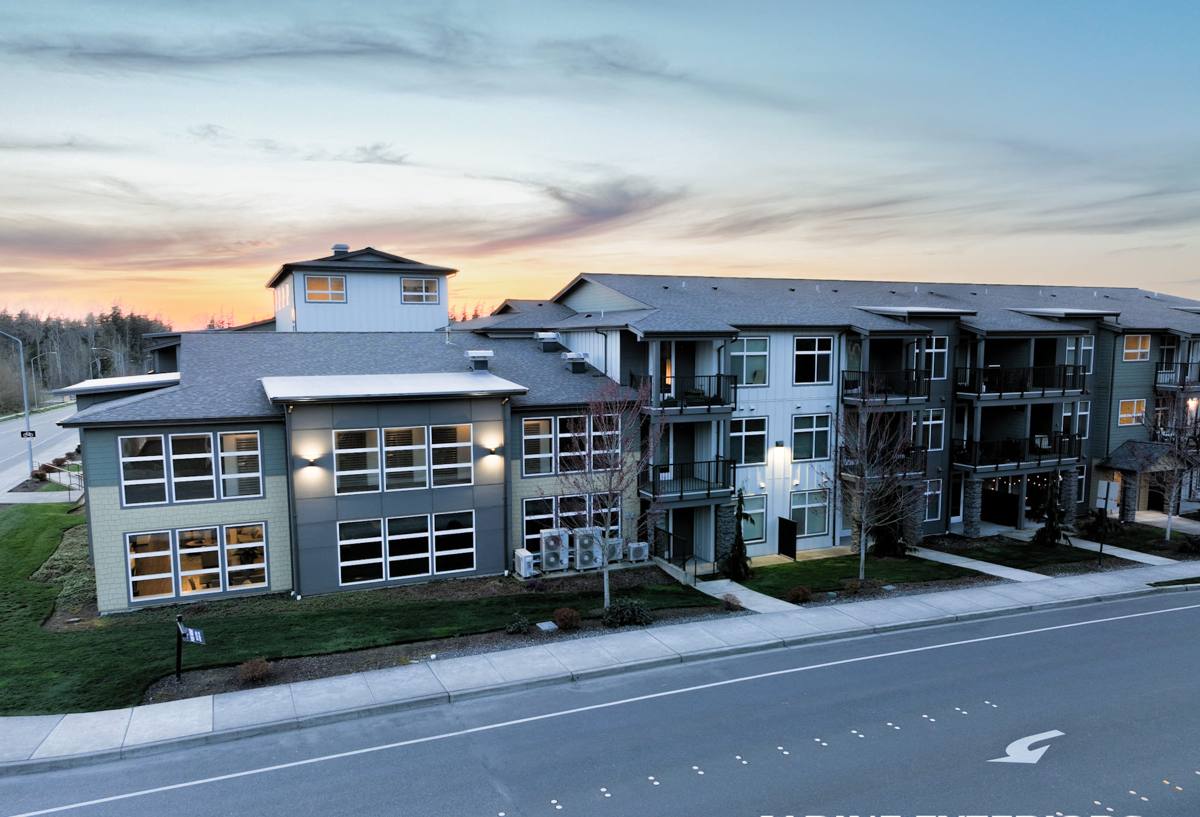
What York's Climate Actually Does to a Roof
Salt Air and Metal Fatigue
Homes closer to the water deal with airborne salt that settles on roofing metal — flashing, fasteners, vent caps, gutter hardware — and accelerates corrosion compared to homes further inland. A fastener that would last two decades in a dry inland climate can start showing rust streaks and losing grip years earlier here. When we repair a roof in York, we pay close attention to metal condition, not just shingle or membrane condition, because a repair that reuses corroded fasteners or flashing is a repair with a short clock on it.
Driving Rain and Wind-Driven Water
Storms moving through this part of Whatcom County frequently bring rain at an angle, not straight down. That matters because straight-down rain is easy to shed — angled, wind-driven rain gets pushed up under shingle edges, through marginal flashing laps, and into gaps that would never leak in calmer weather. A lot of the leaks we get called out for in York aren't from a single obvious hole; they're from water finding a sideways path through a detail that was "good enough" for normal rain but not for a driving storm.
A Long Moss Season
Bellingham's shade, moisture, and mild temperatures give moss a long growing window, and York's tree cover and humidity keep that window open longer than it is in drier, more exposed parts of the county. Moss isn't just cosmetic. It holds moisture against the roofing surface, lifts shingle edges as it grows, and works its way into seams over time. Left alone, moss growth turns small vulnerabilities into active leaks — which is why moss condition is one of the first things we check on any repair call in this area, even when moss isn't the reason someone called us.
Common Repair Calls We See in This Area
- Leaks at flashing around chimneys, skylights, and roof-to-wall transitions, often traced to corroded or improperly lapped metal
- Shingle lifting or cracking along roof edges exposed to prevailing wind and rain
- Moss-related shingle damage, especially on north-facing and shaded slopes
- Clogged or damaged gutters and downspouts contributing to fascia and soffit rot
- Nail pops and fastener failure from corrosion or original installation shortcuts
- Soft or spongy decking discovered once a smaller leak is opened up for repair
What a Correct Repair Actually Involves
A roof repair done right isn't just "find the leak, cover the leak." It's a sequence, and skipping steps is how repairs fail early.
1. Find the Real Source
Water travels. A stain on a ceiling can be feet away from where water is actually entering the roof, especially once it's running along rafters or decking. We trace the path back to the actual entry point before doing any work, rather than patching where the damage happens to be visible.
2. Check What's Underneath
Once we open up the area, we look at the decking, underlayment, and framing underneath. If water has been getting in for a while, there may be soft decking or early rot that needs to be addressed as part of the repair, not just covered back over.
3. Match the Repair to the Existing Roof
Materials, fastening patterns, and flashing details should match what's already on the roof so the repair blends in structurally and doesn't create a new weak point at the transition between old and new work.
4. Address the Underlying Cause
If the leak happened because of a design flaw, degraded flashing, or moss buildup, we fix that root cause as part of the repair — not just the visible symptom. A patch over a moss-clogged valley, for example, will fail again as the moss keeps growing underneath it.
5. Confirm It's Actually Fixed
We check the repaired area and surrounding sections before we consider the job done, rather than assuming a patch worked just because it's no longer visibly leaking on a dry day.
Repair vs. Replacement: How We Make the Call
Not every leak means the whole roof needs to go, and not every roof is worth repeatedly patching. Here's the general framework we use when a homeowner isn't sure which side of that line their roof is on:
| Factor | Leans Toward Repair | Leans Toward Replacement |
|---|---|---|
| Age of roofing material | Well within expected service life | At or past typical lifespan for the material |
| Extent of damage | Isolated to one section or detail | Spread across multiple slopes or repeat leak history |
| Decking condition | Solid, dry, structurally sound | Soft, rotted, or repeatedly re-damaged |
| Moss and organic growth | Light, manageable with cleaning | Heavy, long-term, embedded in shingle layers |
| Repair history | First or infrequent issue | Same area patched multiple times already |
We'll tell you honestly which side of that table your roof falls on. If repair is the right call, that's what we'll recommend — there's no benefit to us or you in replacing a roof that just needs a proper fix.
Why Local Experience in York Specifically Matters
A crew that already works in this part of Bellingham has seen how the local combination of salt exposure, storm direction, and moss growth actually plays out on real roofs, not just in a textbook. That translates into practical advantages: knowing which flashing details tend to fail first in this microclimate, knowing how aggressive moss treatment needs to be here versus a drier neighborhood, and knowing what "normal wear" looks like on a roof of a given age in this specific environment versus a roof that's showing early signs of a bigger problem. It also means fewer surprises — we're not guessing at how Whatcom County weather affects a repair, we're accounting for it up front.
Our Process for a York Roof Repair Call
- Initial contact and scheduling — you describe the issue, we schedule an on-site look, typically without a long wait given how common these calls are in this area.
- On-site inspection — we assess the roof from the ground and, where safe and necessary, from the roof surface itself, checking not just the reported problem area but adjacent flashing, moss buildup, and gutter condition.
- Honest diagnosis and estimate — we explain what we found, what's causing it, and what it will take to fix it properly, with a clear estimate before any work starts.
- The repair itself — matched materials, correct flashing and fastening technique, and attention to the underlying cause, not just the visible symptom.
- Final check — we confirm the repair holds and look over the rest of the roof so you're not caught off guard by a second issue a few months later.
What You Can Check Before You Call
Some signs are visible from the ground or attic without getting on the roof yourself, and knowing them helps you describe the problem accurately when you call.
- Water stains on ceilings or upper walls, especially after a storm with strong wind
- Visible moss patches, particularly on shaded or north-facing roof slopes
- Granules collecting in gutters or at the base of downspouts
- Daylight visible through the roof deck from inside an accessible attic
- Curling, lifted, or missing shingles visible from the ground
- Rust streaking below metal flashing or vent pipes
None of these mean you need to diagnose the problem yourself — they're just useful details to mention when you call, and they help us come prepared for what we're likely to find.
Maintenance That Extends a Repair's Life
A repair lasts longer when the rest of the roof is maintained around it. In York's climate, that mainly comes down to two things: keeping moss growth in check on a regular schedule rather than waiting until it's heavy, and keeping gutters and downspouts clear so water isn't backing up against roof edges and fascia. Neither of these is expensive or complicated, but both get skipped often enough that they're a common reason a repair that was done correctly still runs into trouble a few years later — not because the repair failed, but because conditions around it weren't kept up.
If you're dealing with a leak, storm damage, or a roof that just needs an honest second look, we're glad to come out and give you a straightforward, no-pressure estimate — just fill out the form below to get started.