 Bellingham
 Windows Built for Sunnyland's Weather, Not Just the Showroom Floor
Sunnyland sits close enough to the water and to Whatcom County's marine weather patterns that windows here take a different kind of beating than windows a few hundred miles inland. Salt-tinged air corrodes hardware and finishes faster than dry-climate air does. Driving rain, pushed sideways by wind off the Sound and the bay, tests every seal and every piece of flashing around a window opening. And the long, damp moss season that stretches through fall, winter, and much of spring keeps siding, trim, and window perimeters wet for weeks at a time instead of drying out between storms like they would in a sunnier region.
None of that means Sunnyland homeowners need exotic products. It means the installation has to be done with those specific stresses in mind — the right materials, the right flashing sequence, and the right attention to how water moves around a window opening once it's installed. That's the difference between a window that looks fine on day one and one that still performs correctly in year fifteen.
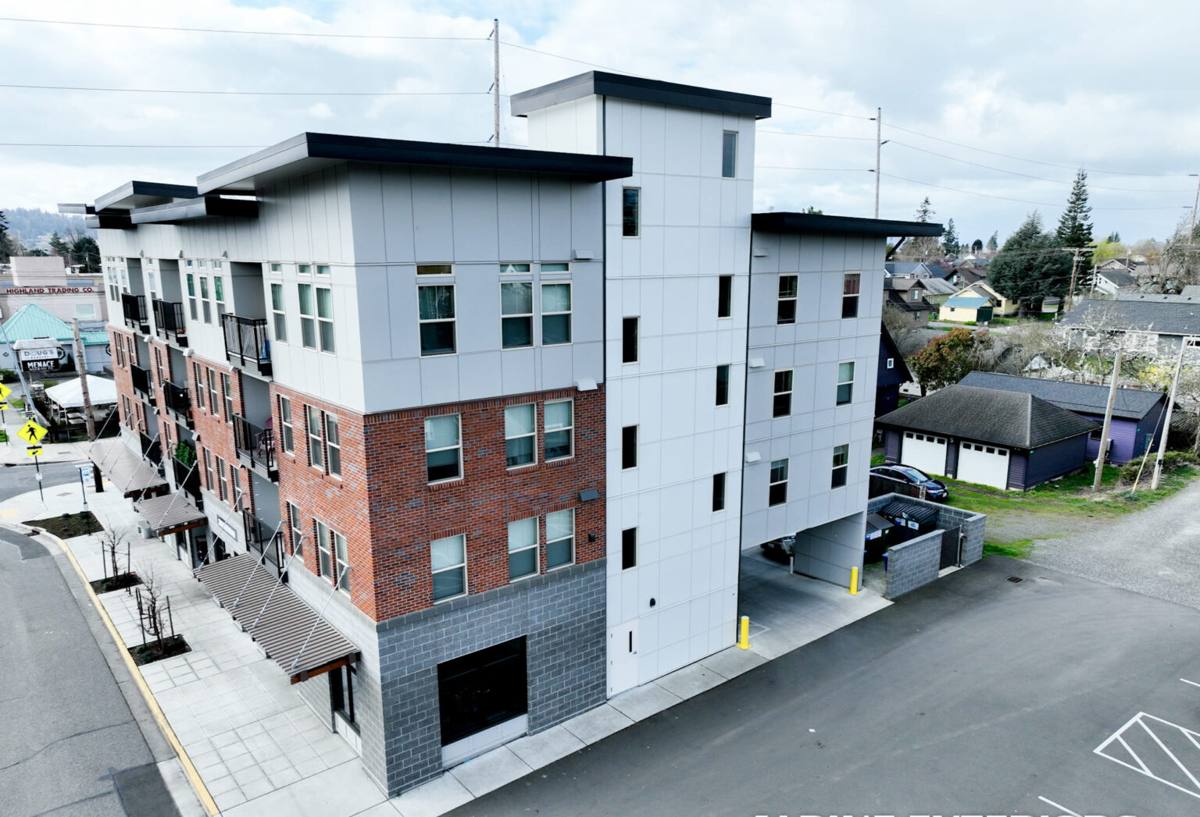
Signs a Sunnyland Home Actually Needs New Windows
Not every drafty window needs full replacement, and not every foggy pane means disaster. Here's how to tell the difference between cosmetic wear and a real problem worth addressing.
Moisture and seal failure
Fogging or a hazy film between the panes of a double-pane window means the seal has failed and the insulating gas or air pocket is gone. That window isn't dangerous, but it's no longer doing its job — it will feel colder to stand near and will fog up more in our damp winters. Once that seal is gone, it can't be restored; the sash or the whole unit needs replacing.
Wood rot and soft trim
Press a screwdriver or your thumb into the wood trim or sill around an older window. If it gives easily or feels spongy, moisture has been getting in — often for a long time before it became visible. In a climate with this much sustained dampness, rot around window openings is one of the most common reasons we get called out in older Sunnyland homes.
Windows that won't stay open, closed, or locked
Wood swells with moisture and shrinks when it dries out, so older wood windows often bind, stick, or won't latch properly as the seasons change. Vinyl and aluminum frames can warp too, especially if they were installed without proper shimming. If you're propping a window open with a stick, that's a functional failure, not just an inconvenience.
Drafts you can feel — and ones you can't
Obvious drafts around the sash are easy to notice. The harder-to-spot problem is air leaking around the frame itself, where the window meets the wall framing. That's usually an installation issue rather than a window issue, and it shows up as higher heating bills and cold spots near the window even when the window itself is shut tight.
What a Correct Window Installation Actually Involves
The window unit itself is only part of the job. In this climate, how it's installed matters as much as what's installed — maybe more.
Water management comes first
Before a new window ever goes in, the opening needs proper flashing — a sequenced layering of flashing tape and water-resistive barrier that directs any water that gets past the exterior trim back out, not into the wall cavity. This is the step that's easiest to rush and most expensive to get wrong, because problems from bad flashing often don't show up until there's rot or interior damage years later.
Fit, shimming, and insulation
A window needs to be shimmed level, plumb, and square in the opening — not just screwed in wherever it happens to sit. The gap between the window frame and the rough opening should be insulated (typically with low-expansion foam, not packed tight with fiberglass) so it seals against air and moisture without bowing the frame.
Exterior sealing and trim
Caulking around the exterior trim keeps wind-driven rain from finding its way behind the window casing. In an area that gets sideways rain as often as Whatcom County does, this exterior detail work is not optional trim-out — it's a functional part of keeping the wall assembly dry.
Interior finish and hardware check
Once the window is set and sealed, interior trim gets reinstalled or replaced, and every operable window should open, close, and lock smoothly before the crew leaves. If it doesn't move freely on day one, it won't move freely after a winter of settling.
Choosing Materials That Hold Up to Salt Air and Rain
There's no single "best" window material for every home — it depends on budget, the age and style of the house, and how much upkeep you want to take on. Here's how the common options compare for a coastal Whatcom County setting.
| Frame Material | Moisture & Salt Air Resistance | Maintenance | Typical Fit |
|---|---|---|---|
| Vinyl | Very good — won't rot or corrode | Low; occasional cleaning | Most homes, cost-conscious replacements |
| Fiberglass | Excellent — very stable, resists warping | Low | Higher-end replacements, larger openings |
| Wood-clad (wood interior, clad exterior) | Good on the exterior; interior wood still needs protection from interior moisture | Moderate | Homes wanting a traditional wood look inside |
| Aluminum | Fair — can corrode over time in salt air unless well-finished | Moderate | Certain commercial or modern-style applications |
For most Sunnyland homes, vinyl or fiberglass frames offer the best balance of durability and value given the climate. We don't push wood-frame-only windows as a default choice here — not because wood is a bad product, but because in a marine climate with this much sustained moisture, an all-wood exterior frame puts more long-term maintenance burden on the homeowner than most people want to sign up for.
Glass matters too
Double-pane, low-E glass is the standard baseline for this region and handles our mild-but-damp temperature swings well. Triple-pane glass adds cost and weight for extra insulation value that matters more in colder inland climates than it typically does right on the coast — it's worth discussing case by case rather than assuming it's automatically the better choice.
Our Installation Process
Assessment and measurement
We start by looking at each window opening individually — not every window on a house is in the same condition, and treating them all the same is how problems get missed. We check for existing rot, measure for accurate fit, and flag anything unusual about the opening before ordering materials.
Install day
Old windows come out, the opening gets inspected and repaired if we find hidden rot or damage, flashing goes in correctly, and the new window is set, shimmed, insulated, and sealed. We work one opening at a time so the house isn't left with open gaps overnight, which matters a lot when rain can move in on short notice.
Final check and cleanup
Every window gets operated — opened, closed, and locked — before we call the job done. Debris and old materials are hauled off, and we walk the exterior with the homeowner to confirm the trim and sealing look right.
Mistakes We See From Rushed or DIY Installs
- Skipping or shortcutting flashing tape, relying on caulk alone to keep water out
- Foaming the gap too aggressively, which can bow the frame and cause the window to bind
- Reusing old, compressed insulation instead of properly sealing the rough opening
- Not shimming level and square, leading to operation problems within a year or two
- Caulking over gaps without addressing rot found underneath during the tear-out
Most of these mistakes aren't visible at first. They tend to surface as a draft, a sticking sash, or worse, soft trim discovered a few years down the road — which is exactly the kind of damp-climate deferred problem that costs more to fix the longer it sits.
What Affects the Cost of Window Installation in Sunnyland
Every home and every window opening is a little different, so we won't quote a number without seeing the job. But the main factors that drive cost up or down are consistent:
- Number of windows being replaced and whether they're being done in one visit or phased over time
- Window size and whether any openings are non-standard shapes or larger-than-typical
- Frame material chosen (vinyl, fiberglass, or wood-clad)
- Condition of the existing rough opening — hidden rot or framing repair adds time and cost
- Whether it's a straightforward replacement into an existing opening or a full-frame replacement requiring more exterior trim work
- Access and site conditions, including second-story windows or tight lot lines
We'll walk through these factors with you during the estimate so there are no surprises once the work starts.
Why Hiring a Crew That Already Works Sunnyland Matters
A window installer who mainly works drier inland areas isn't necessarily going to get the flashing detail or material choice wrong — but they may not default to treating it as the priority it needs to be here. Crews who regularly work Bellingham and the rest of Whatcom County know what driving rain off the water does to an improperly flashed window, and they know how long moss season really lasts, because they've seen the callbacks from jobs that skipped a step.
Local familiarity also means fewer surprises on scheduling — knowing how weather windows work for exterior work in this area, and planning install day around them rather than hoping for the best. For a neighborhood like Sunnyland, that local track record is worth as much as any single product spec sheet.
Keeping New Windows Performing for the Long Haul
A correct installation does most of the work, but a little homeowner maintenance goes a long way in this climate.
- Rinse salt residue and grime off frames and glass a couple of times a year, especially on sides exposed to weather
- Check exterior caulking annually and touch up any cracked or separated sections before winter rains set in
- Keep gutters and downspouts clear so overflow isn't running down against window trim
- Clear moss and debris from window sills and adjacent trim regularly during moss season
- Operate every window a few times a year, even ones you rarely open, to keep hardware and seals working properly
If you're weighing whether it's time to replace windows on a Sunnyland home, we're happy to take a look and give you a straight answer — no pressure, no upsell, just an honest estimate based on what your windows actually need. Use the form below to request one.