 Bellingham
 Sunnyland's Climate Is Harder on a Roof Than It Looks
Sunnyland is one of Bellingham's older, tree-shaded neighborhoods, and that combination of mature tree cover, closeness to Bellingham Bay, and Whatcom County's long wet season creates a specific set of roofing problems. It isn't one big storm that wrecks a roof here. It's the slow, steady combination of salt-laden air moving in off the bay, months of driving rain that never really lets a roof dry out, and shade from big conifers and maples that keeps moss growing for most of the year. A roofing material that works fine in a drier, more open part of the county can struggle in Sunnyland's specific microclimate.
Metal roofing has become a common upgrade in this neighborhood for good reason, but it only performs the way it should when the system is matched to these conditions and installed correctly. This page is about that specific job: metal roofing for Sunnyland homes, done right.
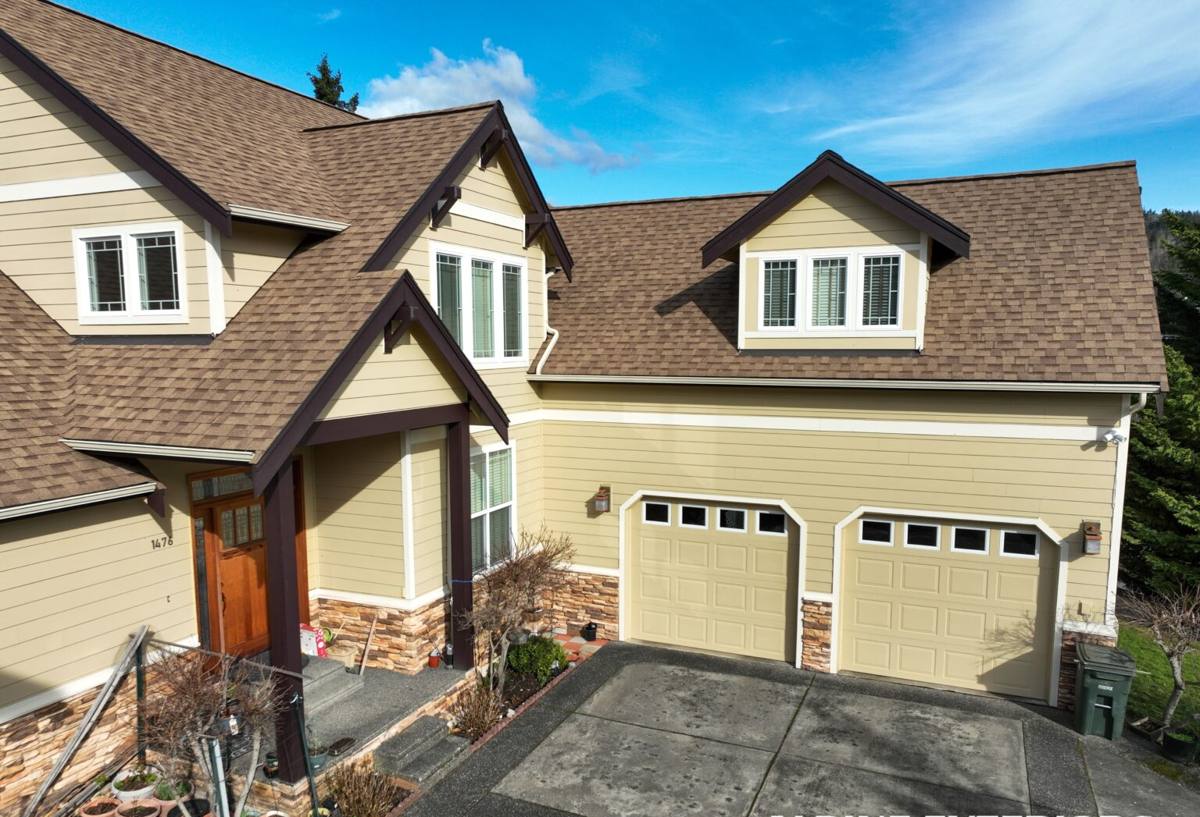
What Salt Air, Rain, and Moss Actually Do to a Roof
Salt air and corrosion
Homes closer to Bellingham Bay pick up airborne salt that settles on exposed metal — fasteners, flashing, gutters, and panel edges. Over years, untreated or mismatched metal can corrode at these contact points long before the roof panels themselves show wear. This is a fastener and flashing issue as much as it is a panel issue, and it's one of the most overlooked details in a metal roof install near the water.
Driving rain and standing moisture
Whatcom County doesn't just get rain, it gets sustained, wind-driven rain that pushes water sideways into laps, valleys, and wall-to-roof transitions. A roof that only handles straight-down rain well can still leak in Sunnyland if the flashing details weren't built for wind-driven water.
A long moss season
Shade from mature trees keeps roof surfaces damp for extended stretches, which is exactly what moss needs to establish. Moss holds moisture against roofing material, and on the wrong substrate that moisture retention accelerates decay. Metal doesn't feed moss growth the way organic shingle surfaces can, but moss and debris can still accumulate on a metal roof if the pitch, panel type, or surrounding tree cover isn't accounted for.
Why Metal Roofing Makes Sense for This Neighborhood
Metal roofing isn't the right fit for every home or every budget, and we'll say so honestly during an inspection. But for Sunnyland's specific combination of shade, moisture, and salt exposure, it has real advantages:
- Non-organic surface — nothing for moss to root into or feed on, unlike granulated or wood-based roofing materials
- Steep-slope shedding — a properly pitched metal roof moves water off fast, reducing the standing moisture that feeds moss and rot
- Long service life when installed and maintained correctly, which matters on a roof that will spend most of the year wet
- Fewer wind-driven rain penetration points when flashing and underlayment are detailed correctly
- Lower long-term maintenance burden than moss-prone shingle roofs under heavy tree cover
None of these benefits are automatic. They depend on choosing the right panel system and installing it with the right details for this specific climate — not just following a generic metal roofing spec sheet.
Choosing the Right Metal System for a Sunnyland Home
Not all metal roofing is built the same way, and the differences matter more here than in a drier climate. The two most common systems we install in this area are standing seam and exposed-fastener panel systems. Both are legitimate options — the right choice depends on the home's roof pitch, budget, and how much long-term maintenance the homeowner wants to take on.
| Factor | Standing Seam | Exposed-Fastener Panel |
|---|---|---|
| Fastener exposure | Concealed clips, no exposed fasteners on the field | Fasteners penetrate the panel face directly |
| Salt-air durability | Fewer exposed metal points for salt to attack over time | Exposed fasteners are the first thing to show wear near the bay |
| Upfront cost | Higher material and labor cost | More affordable up front |
| Long-term maintenance | Minimal — no fastener gaskets to monitor | Fastener gaskets can compress or wear and need periodic checking |
| Best fit | Homes prioritizing lowest long-term maintenance, higher-visibility roofs | Homes with tighter budgets, secondary structures, or shorter ownership horizons |
For homes close to the bay or under heavy tree cover, we generally steer homeowners toward standing seam or a well-detailed exposed-fastener system with corrosion-resistant fasteners — not because exposed-fastener panels are a bad product, but because the maintenance burden of exposed fasteners is a real tradeoff in a salt-air environment, and it's fair for a homeowner to know that before deciding.
What a Correct Metal Roof Installation Actually Involves
Metal roofing has a reputation for being low-maintenance, and it is — but only if the installation underneath the visible panels is done correctly. Most of the problems we see on metal roofs in this area trace back to shortcuts taken during install, not the material itself.
The details that matter most in Sunnyland's climate
- A synthetic or high-temp underlayment rated for extended wet exposure, not a bargain felt product
- Ice-and-water shield style membrane at valleys, eaves, and any wall-to-roof transitions, given how much wind-driven rain this area sees
- Corrosion-resistant fasteners and flashing metals matched to the panel material, especially important closer to the bay
- Proper panel overlap and sealed seams at every penetration — vents, chimneys, and skylights
- Adequate attic or roof-deck ventilation so trapped moisture from our long wet season doesn't condense against the underside of the deck
- Correct fastener torque on exposed-fastener systems — overdriven or underdriven screws are one of the most common causes of early leaks
Any one of these done wrong can undercut the durability that metal roofing is supposed to provide. This is why we treat the installation process as the real product, not just the panels themselves.
Our Process for Sunnyland Metal Roofing Projects
1. On-site inspection and honest assessment
We look at the existing roof deck, current moss and moisture patterns, tree cover, proximity to the bay, and the home's roof pitch before recommending a system. If metal isn't the right fit for a particular home or budget, we'll say so.
2. Tear-off or overlay decision
Most metal roof installs in this neighborhood involve a full tear-off so we can inspect and repair the deck underneath — this matters more here than in drier climates because trapped moisture under an old roof can go unnoticed for years under constant tree shade.
3. Deck repair and underlayment
Any soft, water-damaged decking gets replaced before anything goes back down. Underlayment and flashing membrane are installed to handle sustained wind-driven rain, not just occasional showers.
4. Panel installation
Panels, seams, and penetrations are installed to the details above, with fastener and flashing metal selected for this specific climate rather than a generic spec.
5. Final walkthrough and cleanup
We walk the finished roof and property with the homeowner, clear debris, and go over what routine maintenance — if any — the specific system will need going forward.
Maintenance in a Long Moss Season
Metal roofing needs far less maintenance than shingle roofing under heavy tree cover, but "far less" isn't "none." A few simple habits keep a metal roof performing the way it should through Bellingham's wet months:
- Clear gutters and downspouts before the fall rains start, so wind-driven water has somewhere to go
- Rinse off accumulated needles, leaves, and organic debris from valleys once or twice a year
- Check exposed-fastener systems periodically for any signs of fastener backing out or gasket wear
- Trim back overhanging branches where practical to reduce shade-driven moss and debris buildup
- Have flashing at chimneys, vents, and skylights inspected every few years, since these are the most common leak points regardless of roofing material
Why It Matters That a Crew Already Works in Sunnyland
Roofing details that work in a dry inland climate don't automatically work a few miles from Bellingham Bay under a canopy of mature trees. A crew that regularly works in Sunnyland already knows which homes sit closest to the salt air, which streets hold onto moss longest, and which roof pitches and tree layouts call for extra attention at valleys and flashing. That local pattern recognition is what keeps a metal roof performing for decades instead of needing early repairs. It's also why we're straightforward about material choices — an exposed-fastener system, a standing seam system, or in some cases a different roofing material altogether can be the right call depending on the specific home, and we'd rather explain the tradeoffs than oversell one option.
If you're weighing a metal roof for a Sunnyland home, we're happy to come take a look, walk the roof, and talk through what actually makes sense for your house and budget — no pressure, no hard sell. Use the form below to request a free estimate.