 Bellingham
 Sehome's Climate Is Harder on Siding Than It Looks
Sehome sits close enough to Bellingham Bay that salt-laden air is a constant, low-grade presence on every exterior surface in the neighborhood. Add Whatcom County's steady winter rain, the wind-driven storms that come off the water, and the shaded, tree-covered lots common around the Sehome Hill area, and you get a microclimate that is genuinely tough on siding. Homes here don't just get wet — they stay wet longer than homes in drier parts of the state, and that extended damp period is exactly what moss, mildew, and rot need to take hold.
Sehome's housing stock is a mix of older character homes near the university and newer infill construction, but the exposure problem is the same across both: north-facing walls and shaded lots dry slowly, salt air accelerates corrosion of fasteners and trim, and a long moss season means anything with a rough or absorbent surface becomes a growth medium if it isn't detailed and installed correctly. Siding installation in this part of Bellingham isn't just about appearance — it's about choosing and installing a product system that can shed water fast and shrug off moisture cycling year after year.
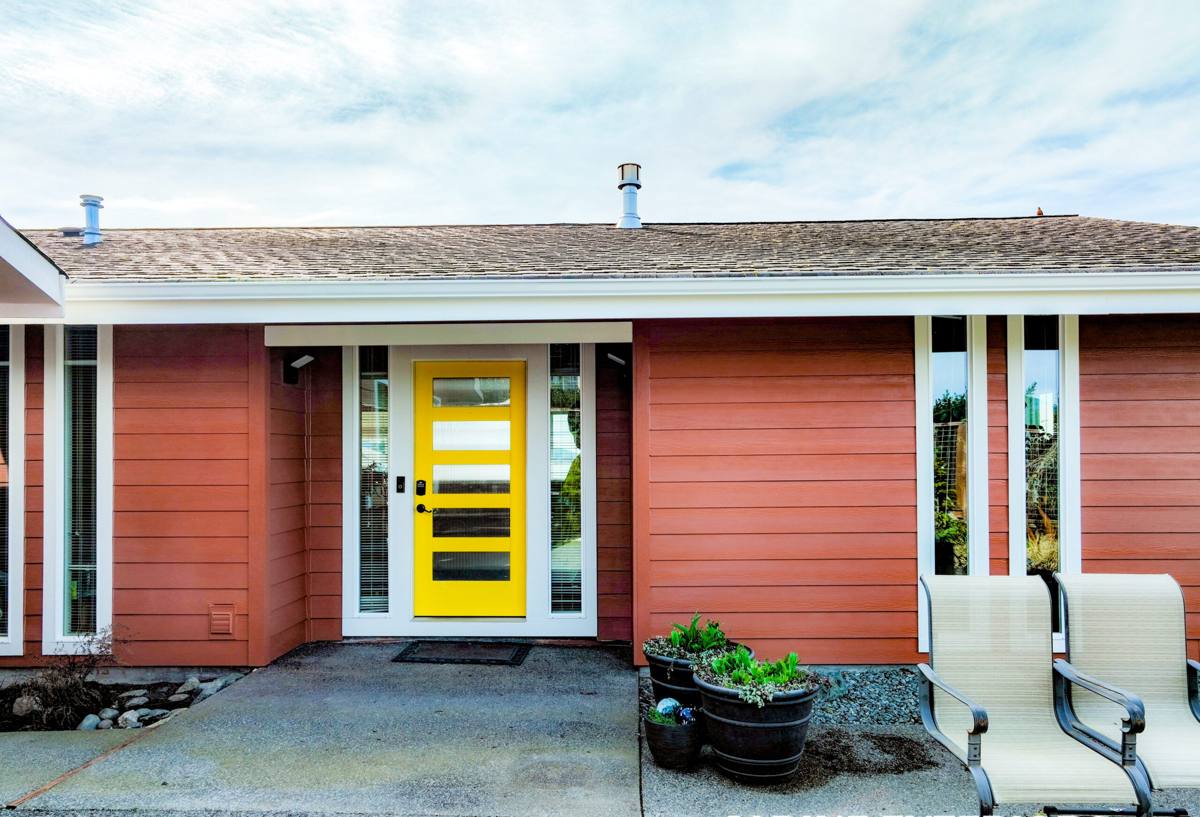
What "Correct" Siding Installation Actually Involves
A lot of siding problems we get called out to inspect aren't product failures — they're installation shortcuts. In a climate like Bellingham's, the margin for error is smaller than in drier regions, because any gap in the water management system gets tested by rain far more often.
Weather-Resistive Barrier and Flashing
Every wall needs a continuous weather-resistive barrier behind the siding, with flashing integrated at every window, door, and penetration so water is directed out and down, never trapped behind the cladding. This is the layer that actually keeps a home dry — the siding itself is the second line of defense, not the first.
Fastening and Clearances
Fiber cement siding has manufacturer-specified fastener types, spacing, and penetration depths, and those specs change depending on whether the wall is in a high-wind or high-moisture zone — which most of Sehome is. Siding also needs proper clearance from grade, roof lines, and decks so splash-back and standing water don't sit against the bottom edge of the boards.
Caulking and Joint Treatment
Butt joints, corners, and trim intersections either get flashed and shingled to shed water, or they get sealed with the correct sealant rated for movement and UV exposure. Caulk used as a substitute for proper flashing is one of the most common shortcuts we see, and it's also one of the first things to fail in a marine climate.
Drainage Gap Behind the Siding
In a climate that stays damp as long as Bellingham's does, a small drainage gap between the weather-resistive barrier and the back of the siding makes a real difference. That gap lets any moisture that does get past the siding drain and dry out instead of sitting against the wall assembly, and it lets air move behind the cladding so the whole wall dries faster after a storm. It's a detail that costs little to include during installation and is expensive to add later.
Why We Install Only James Hardie Fiber Cement
We standardized on James Hardie siding exclusively — no vinyl, no LP SmartSide, no other fiber cement brands. That's a deliberate choice, not a brand preference for its own sake. Hardie's fiber cement is non-combustible, dimensionally stable across wet-dry cycles, and finished at the factory with the ColorPlus coating system, which holds color and resists fading and chipping far better than field-applied paint. Hardie also engineers specific product lines for different climate exposures, including HZ formulations built for regions that see the kind of sustained moisture Whatcom County gets.
Just as important for a coastal, moss-prone area: Hardie's warranty coverage is transferable and well documented, which matters if you ever sell the home. We'd rather install one product system correctly, to spec, every time, than juggle multiple brands with different fastening rules, different warranty terms, and different track records in this specific climate.
Our Siding Installation Process in Sehome
The steps below are the same core process whether we're re-siding a bungalow near the university or a newer build closer to the hill.
- On-site inspection of the existing wall assembly, sheathing condition, and any signs of trapped moisture or rot before a single board comes off.
- Removal of old siding and trim, with sheathing repair where water damage is found — this is often the point where hidden problems surface.
- Installation of a continuous weather-resistive barrier, correctly lapped and taped at every seam.
- Flashing installation at every window, door, deck ledger, and roof-to-wall transition, integrated with the barrier rather than caulked over it.
- Hardie siding installed to manufacturer fastening specs for wind and moisture exposure, with correct clearances at grade, roofs, and decks.
- Trim, corners, and joint detailing finished to shed water rather than rely on sealant alone.
- Final walk-through covering caulking, touch-up painting where needed, and a review of care and maintenance expectations.
What Drives the Cost of a Siding Job in Sehome
Every home is different, so we won't invent a number here, but a few factors consistently move the price on jobs in this neighborhood. Square footage and the number of stories are the obvious ones, but so is what's underneath: a full tear-off with sheathing repair costs more than installing over a sound existing wall, and older Sehome homes near the university more often need some sheathing work once the old siding comes off. Trim complexity matters too — homes with a lot of window and gable detail take longer to flash and finish correctly than a simple rectangular wall. Site access plays a role as well; tight lots, mature trees, and hillside grades common around Sehome can slow staging and material handling compared with a flat, open lot.
Comparing Siding Options for Sehome's Climate
Homeowners often ask why we don't offer cheaper alternatives. The table below lays out the honest trade-offs for a climate with sustained moisture and salt air.
| Factor | Vinyl Siding | Primed Wood / Cedar | James Hardie Fiber Cement |
|---|---|---|---|
| Moisture tolerance | Fair — can warp and gap over time | Poor without diligent upkeep | Strong when installed to spec |
| Moss and mildew resistance | Moderate; surface film can host growth | Low; absorbent surface | High; dense factory finish |
| Fire resistance | Combustible | Combustible | Non-combustible |
| Finish durability | Can fade; color is limited to the material itself | Requires repainting on a cycle | Factory ColorPlus finish, long fade resistance |
| Maintenance burden | Low but limited repair options | High — regular painting, sealing, moss treatment | Low — periodic washing and inspection |
| Upfront cost | Lower | Moderate | Higher, offset by longevity and warranty |
None of these products are without merit in the right application. Vinyl is inexpensive and low-maintenance in mild climates; wood has real character. But for the sustained moisture and salt exposure Sehome deals with, we've found fiber cement installed correctly to be the option that holds up with the least ongoing headache.
Signs Your Current Siding Is Losing the Battle
If you're not sure whether your siding still has years left in it, look for these warning signs before your next wet season:
- Dark green or black streaking, especially on north-facing or shaded walls
- Soft or spongy spots when you press on the siding near the bottom courses
- Paint that's peeling or bubbling rather than just fading
- Visible gaps, warping, or buckling at seams and corners
- Persistent musty smell near exterior walls inside the home
- Caulk that's cracked, shrunk, or pulling away from joints
- Moss or algae growth that returns quickly after cleaning
One or two of these on their own might just mean it's time for a cleaning and some caulk touch-up. Several together, especially soft spots or interior odor, usually point to moisture that's already gotten past the siding and into the wall assembly.
Living With Siding in a Moss-Prone Marine Climate
Even the right product needs some basic upkeep in this environment. A yearly rinse to clear pollen, salt residue, and moss spores before they establish goes a long way, especially on shaded or north-facing walls. Keep gutters clear so overflow isn't running down the face of the siding, and trim back vegetation that's holding moisture against the wall or blocking airflow and sun exposure. Check caulking at trim and joints once a year, since a small crack left through a full Bellingham winter tends to become a bigger one. Hardie siding needs far less of this than wood, but "low-maintenance" doesn't mean "no maintenance" in a climate this wet — a little attention twice a year keeps small issues from becoming expensive ones.
Why Hiring a Crew That Already Works in Sehome Matters
Siding installation isn't one-size-fits-all, and a crew that mostly works drier inland areas may not default to the flashing details and fastening choices that matter most here. A crew that regularly works Bellingham and Whatcom County neighborhoods like Sehome already knows which walls take the worst weather exposure, how much clearance to leave at grade given the amount of rain the area sees, and where moss tends to establish first. That local pattern recognition doesn't replace following manufacturer specs — it just means fewer surprises and a job that's built for the conditions it actually has to survive, not generic conditions from a manual written for a different climate.
If your Sehome home's siding is showing its age, or you're planning a replacement and want it done right the first time, we're happy to take a look and talk through what your home actually needs. Reach out for a free, no-pressure estimate using the form below.